McLaren Is Building an SUV and Everybody Needs to Calm Down
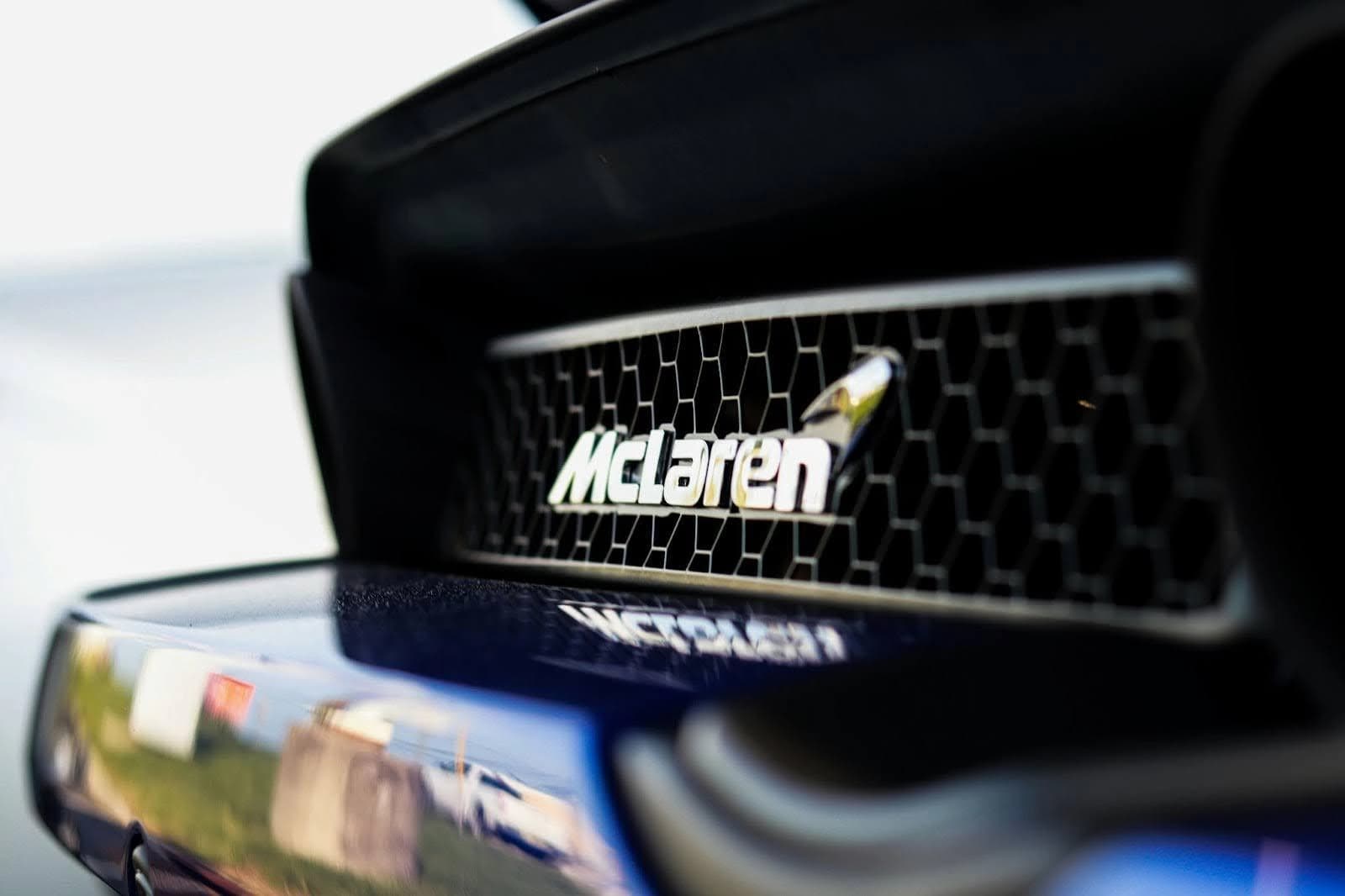
McLaren just showed dealers a clay model of their first four-door vehicle, and the automotive internet is having a collective meltdown. Yes, McLaren is building an SUV. No, this does not mean the British supercar maker is selling out. And yes, it's powered by a hybrid V8 and sits on 24-inch wheels because of course it is. Welcome to 2025, where even companies that built their reputation on lightweight mid-engine supercars can't resist the gravitational pull of the high-riding luxury segment.
The vehicle, internally known as P47, is scheduled to arrive in 2028. Dealers who attended the meeting at McLaren's Creation Centre described it as having the side profile of a Porsche Cayenne Turbo GT but larger and more muscular. It features split headlights, a roof spine running down the center like a shark fin, 24-inch wheels, a large rear spoiler and diffuser, oversized exhaust tips, and all the aerodynamic flourishes you'd expect from a company that builds Formula 1 cars. McLaren is aiming squarely at the Ferrari Purosangue.
Let's address the elephant: purists are going to hate this. McLaren built its modern reputation on lightweight, mid-engine supercars that prioritize handling and driver engagement above all else. A five-seat SUV with all-wheel drive seems antithetical to what the brand represents. But here's the thing: McLaren needs to make money, and SUVs make money. Lots of money.
Porsche proved the model works with the Cayenne. Lamborghini is printing money with the Urus. Aston Martin finally found financial stability with the DBX. Bentley's Bentayga outsells everything else in their lineup. Ferrari's Purosangue has a years-long waiting list despite a starting price north of $400,000. The math is simple: wealthy buyers want practical daily drivers carrying performance brand prestige, and they're willing to pay supercar prices. McLaren would be stupid not to chase this market.
McLaren's situation makes an SUV even more necessary. The company was acquired by Abu Dhabi investment firm CYVN Holdings earlier this year and merged with British EV startup Forseven. CYVN also owns stakes in Chinese EV maker Nio and controls Gordon Murray Design's EV division. There's money and technology flowing into McLaren now, but that money comes with expectations. CYVN wants returns, and the fastest path to profitability is selling more expensive vehicles to more customers. An SUV accomplishes both goals.
The P47 will be powered by an electrified turbocharged V8, meaning McLaren is applying hybrid technology to increase performance and efficiency. This isn't some cynical attempt to meet emissions regulations by strapping batteries to a gas engine. McLaren's hybrid systems, as seen in the W1 hypercar, add significant power and torque. The SUV will almost certainly make absurd amounts of horsepower because that's what the market demands and what McLaren delivers.
McLaren isn't slowing down supercar development either. The W1 hypercar launches in 2026 as the P1 successor, making 1,275 horsepower from its hybrid powertrain. All 399 units sold out before the public reveal. In 2027, McLaren will launch a new mid-engine coupe with a hybrid V6 producing around 800 horsepower. They're also planning a final edition 750S called the 788HS, limited to 200 units. The SUV doesn't replace the supercars. It funds them.
There's also a business reality: McLaren needs an entry-level model. Their cheapest car currently is the Artura at around $240,000. The P47 could slot below that as the volume seller, bringing new customers into the brand who might eventually move up to a proper supercar. It's the same strategy Porsche has used successfully for decades with the Cayenne and Macan funding 911 development.
One dealer described the SUV as sculpted and muscular with real presence that won't get lost in the exotic SUV segment. That's key. The high-performance SUV market is crowded with offerings from Porsche, Lamborghini, Ferrari, Aston Martin, Bentley, and various German manufacturers. McLaren needs to make a statement, and based on early descriptions, they understand that.
Will it handle like a 720S? Of course not. It's an SUV. Will it be fast and fun and distinctive? Almost certainly. McLaren has never made a boring car, and they're not going to start now just because this one has more doors and ground clearance. They'll mount the engine as low and far back as possible, optimize weight distribution, and make sure it's fast enough to embarrass dedicated sports cars.
CEO Nick Collins told dealers that McLaren's expanding lineup won't compromise the brand's performance DNA. That's corporate speak, but it's probably true. McLaren knows their reputation is built on making serious driver's cars. The P47 needs to be legitimately quick and engaging, or it will damage the brand more than it helps.
So should McLaren be building an SUV? Probably. Does it represent a fundamental shift away from what made the brand special? Not really. McLaren needs volume, profitability, and an entry point for new customers. An SUV solves all three problems. As long as they don't water down their supercars to focus on SUV sales, everyone should be fine. And if you hate the idea of a McLaren SUV, here's the good news: you don't have to buy one. Now everybody calm down.