Mazda's Rotary Return Gets Real
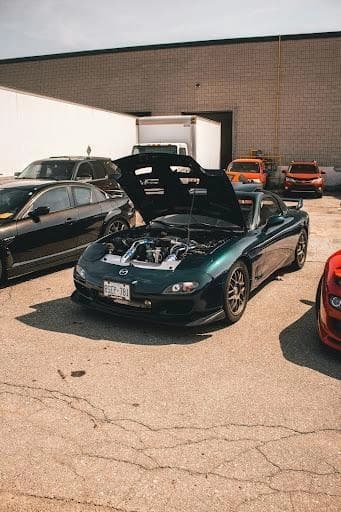
Remember when Mazda said they'd bring back the rotary engine? Yeah, us too. We've heard this song before, and usually it ends with disappointment and a hybrid crossover nobody asked for. But hold onto your apex seals, because this time things might actually be different.
Mazda dropped some intriguing hints this week about a potential rotary-powered sports car that would sit above the MX-5 Miata in their lineup. Not as a range extender. Not as a hybrid system tucked into an SUV. An actual, honest-to-Wankel sports car with a rotary engine doing what rotary engines do best: revving to the moon and making beautiful noises.
The timeline? Don't hold your breath. We're looking at late 2027 at the earliest, which in car industry speak means "probably 2028 and maybe 2029 if we're being honest." But here's what makes this different from the usual vaporware: Mazda has been quietly working on solving the rotary's biggest problems. You know, minor issues like oil consumption that would make a two-stroke motorcycle blush and fuel economy that makes a Hummer H2 look responsible.
The new engine, reportedly designated as the 13B-MSP (Mazda Smart Performance, because every car company needs meaningless acronyms), would feature direct injection, improved apex seal materials, and a hybrid system that actually makes sense. Not for fuel economy, mind you, but for filling in the torque gaps that have plagued every rotary since Felix Wankel first sketched triangles on a napkin.
Power figures are pure speculation at this point, but sources suggest somewhere north of 400 horsepower from a 2.0-liter twin-rotor setup. That's bonkers specific output, even for a rotary. Add in an electric motor for low-end grunt, and you've got something that might actually be usable in traffic without feeling like you're constantly bouncing off a rev limiter.
The styling? Think RX-Vision concept, but with actual door handles and mirrors that meet safety regulations. Mazda's design team has been on an absolute tear lately, and if they can capture even 80% of that concept's gorgeous proportions in production form, this thing will be a showstopper.
Of course, there's the elephant in the room: price. A halo sports car with a hand-built rotary engine and hybrid tech isn't going to be cheap. Rumors suggest a starting price somewhere between $75,000 and $90,000, which puts it squarely in Porsche Cayman territory. That's a tough sell for a Mazda badge, no matter how good the car is.
But you know what? If Mazda actually pulls this off, if they build a proper sports car with a proper rotary engine that doesn't require oil changes every 3,000 miles and a rebuild every 50,000, they'll have done something remarkable. They'll have proven that there's still room in this electrified, turbocharged, downsized world for engines that exist purely because they're cool.
Will it happen? History says probably not. But we'll keep our fingers crossed and our apex seals lubricated, just in case. Because a world with rotary sports cars is simply a better world. Even if they do use a quart of oil every 1,000 miles.