Mazda Recalls 1,007 CX-50 Models Over Front Suspension Bolt Concerns
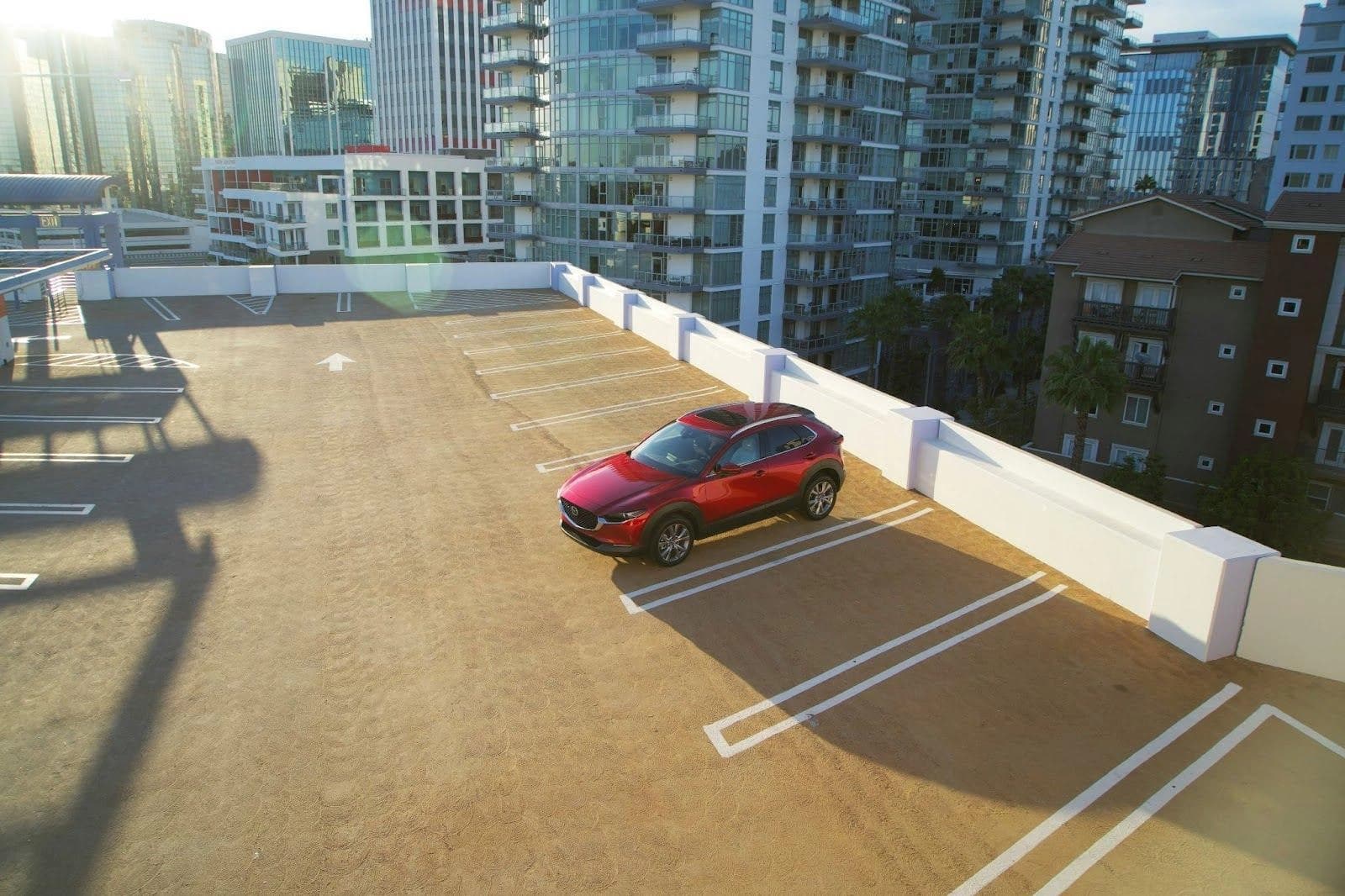
In an example of the complexities facing modern automotive manufacturing, Mazda North American Operations is recalling 1,007 brand-new 2025 CX-50 and CX-50 Hybrid vehicles due to front suspension bolts that may not have been tightened to proper specifications. It's the kind of fundamental assembly step that underscores just how many critical checkpoints exist in vehicle production—and how challenging it can be to maintain perfection across thousands of units.
The recall notice details the potential consequences: "loose or detached bolts can cause suspension components to separate, potentially resulting in a loss of power transmission to the wheels and rendering the vehicle inoperable." In practical terms, this means affected components could compromise vehicle control. Mazda notes that "abnormal noises may be heard from the front of the vehicle," providing owners with an early warning indicator to seek service.
The affected vehicles were built between January 29 and February 17, 2025 at Mazda's Huntsville, Alabama plant. That's a notably tight production window, suggesting this was an isolated incident rather than a systemic manufacturing flaw. Production environments are extraordinarily complex, and even world-class facilities occasionally experience brief periods where processes don't execute as intended—a reality every automaker confronts.
Mazda became aware of the issue in September after receiving a field report about wheel detachment while driving. Fortunately, no accidents or injuries have been reported, a testament to both the limited scope of the issue and, perhaps, Mazda's quick response once the problem surfaced. The company's decision to issue a recall demonstrates the industry's commitment to addressing potential safety concerns proactively.
The recall splits almost evenly: 512 hybrid models and 495 gas-powered versions. The CX-50 Hybrid starts at $34,750 and incorporates Toyota RAV4 components including the Dynamic Force engine and Aisin-supplied eCVT. It's a product of Mazda's manufacturing collaboration with Toyota—a partnership that has otherwise yielded significant benefits for both companies in terms of shared expertise and production capabilities.
What makes this recall particularly notable is that it affects a brand-new model for the 2025 year. The CX-50 is Mazda's compact crossover aimed at buyers who want something more rugged than the CX-5. It's built on a different platform, produced at a different facility, and represents Mazda's expansion into new manufacturing territory. The CX-5 uses a multi-link suspension setup, while the CX-50 employs a torsion beam rear suspension—a design choice that offers different engineering trade-offs in terms of cost, weight, and packaging.
Owners will start receiving mail notices on December 28, 2025, giving them advance notice before the holiday rush subsides. The fix is straightforward: dealers will inspect the suspension, and if necessary, replace and properly torque the fasteners. The repair is covered at no cost to owners, as is standard practice for safety recalls. The internal campaign number is 7925J for those who wish to reference it directly.
Preliminary findings point to plant operators who didn't follow established procedures during a specific production window—a reminder of how heavily modern manufacturing depends on consistent human execution alongside automated systems. It's an area where the entire industry continues to invest in improved training and process controls.
This isn't the CX-50's only recall this year, following an earlier airbag module software issue and a forward sensing camera matter. While any recall is worth noting, it's also true that modern vehicles are extraordinarily complex machines with thousands of components and millions of lines of code. The automotive industry's robust recall system exists precisely to catch and correct issues quickly when they arise.
On balance, Mazda's swift acknowledgment and remedy of this issue reflects the recall process working as intended. Transparency and quick action on safety matters ultimately serve both customers and the brand's long-term reputation—exactly the approach owners expect from their automaker.