Lucid Tightens the Belt and Shuffles the Deck
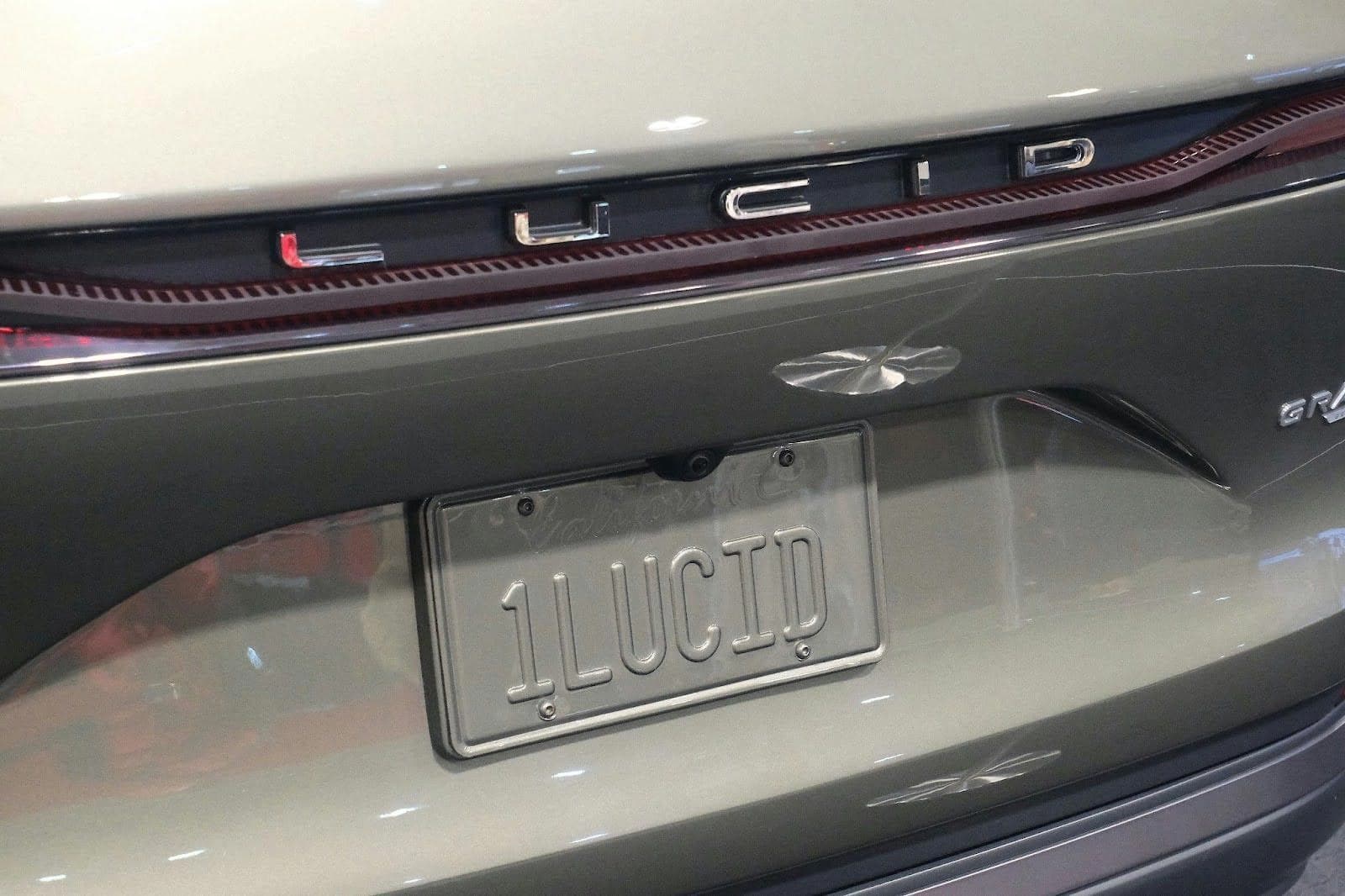
Lucid Motors is having its adult moment. The latest update: 2025 production guidance has been cut to roughly 18,000 vehicles, senior leadership is being reorganized, and Saudi Arabia’s Public Investment Fund (PIF) has stepped in with expanded financial backing.
The headlines might sound bleak, but this is actually Lucid’s smartest move yet. Instead of overextending itself chasing Tesla’s shadow, Lucid is embracing realism. Building high-end electric sedans isn’t the same as designing them—and Lucid has learned that the hard way. Delays, supply constraints, and a still-nascent retail network have all conspired to slow its ramp. Rather than pretending otherwise, CEO Peter Rawlinson is tightening the belt.
That includes a reshuffle in leadership, flattening the org chart to improve accountability. Lucid says the goal is to make decisions faster and eliminate redundancy. In startup speak, that usually means fewer PowerPoints and more cars getting built. Lucid’s Air remains one of the best-engineered EVs on the planet—whisper-quiet, blisteringly quick, and capable of absurd range. But customers don’t buy engineering press releases; they buy reliability and support.
The financial side is also worth unpacking. The PIF’s continued commitment effectively guarantees Lucid a longer runway. It’s not a blank check, but it’s enough to ensure operations stay smooth through the Gravity SUV launch in 2026. That’s crucial, because Gravity represents Lucid’s next big swing—the model meant to push the brand beyond niche luxury and into the SUV mainstream.
There’s an undeniable shift in tone. Lucid once marketed itself as the anti-Tesla: quieter, classier, more refined. Now it’s positioning itself as the thinking person’s EV—less about hype, more about execution. The Air Sapphire still does zero-to-60 in under two seconds, but the company’s real goal this year is simply delivering cars that work perfectly from day one.
That’s not glamorous, but it’s essential. Lucid can’t afford another wave of ‘production hell’ headlines or reports of buggy software. Every new delivery has to feel like a polished luxury experience, not a beta test. If they get that right, brand credibility follows—and so do buyers.
In short, Lucid’s story isn’t about contraction; it’s about calibration. It’s cutting fat to grow stronger. If you’re rooting for more than a two-brand EV future, this is what maturity looks like: less flash, more focus. The car world could use more of it.