Lucid Motors Hits a Massive Pothole as Shares Tumble and Rumors Swirl
Electric vehicles are completely unforgiving to build. Building an entire company from the ground up to manufacture those vehicles is arguably one of the most difficult challenges in modern business. Lucid Motors entered the automotive scene with incredible promise. The Lucid Air sedan is widely regarded as a triumph of modern engineering. It boasts electric range, smooth power, and interior luxury that makes established legacy brands look slightly outdated. Yet having a brilliant product does not grant immunity from the brutal realities of the automotive business cycle. Over the past few weeks, the financial markets have delivered a punishing reminder of exactly how vulnerable fresh automakers truly are.
The core issue grabbing headlines is a staggering drop in the company valuation. Shares of Lucid Group recently plunged by an astonishing 57 percent following a massive wave of industry whispers. Speculation ran hot that the automaker was actively consulting with restructuring specialists to advise on potential bankruptcy filings. The sheer panic triggers huge selloffs rapidly. The stock market is famously impatient with startups. When investors smell trouble at an electric vehicle manufacturer, they tend to head for the exits without checking the finer details.
Lucid management vehemently pushed back against these financial reports. The company issued very firm denials regarding any impending bankruptcy plans. They made it absolutely clear to the public that they intend to keep building cars and moving forward with their ambitious product roadmap. However, shutting down a rumor does not magically solve an underlying financial burn rate. Scaling mass vehicle production requires mountain sized piles of cash. Developing the necessary logistics networks, expanding manufacturing facilities, and surviving the lag between building a car and actually selling it puts enormous strain on any corporate balance sheet.
Even without the extreme step of going bankrupt, the company is actively making painful structural changes to preserve its remaining capital. Lucid recently confirmed it is slashing its United States workforce by roughly 18 percent. Laying off almost a fifth of your domestic employees is a devastating blow. It affects thousands of highly skilled workers and highlights the immense pressure management faces to cut daily operational costs. Streamlining an organization under severe financial duress is a move no startup ever wants to make, but it is often the only realistic way to survive a shifting economic climate.
Adding another frustrating layer of difficulty to this situation is a freshly filed supplier lawsuit. Producing heavily computerized electric cars requires millions of tiny components arriving at the factory exactly on time. According to recent court filings, the automaker is facing class action litigation related directly to supplier disputes. Maintaining healthy supplier relations is the absolute lifeblood of automotive manufacturing. When those relationships fray and head to a courtroom, it adds expensive and slow friction to an assembly line that desperately needs to run smoothly.
The wider context here is that the entire electric vehicle sector is currently facing notable headwinds. Early wealthy adopters have already purchased their premium cars. Now companies must convince the mainstream consumer to make the switch during an era of high interest rates and broader global economic uncertainty. Lucid currently creates premium vehicles with matching premium price tags. They do have the distinct advantage of major financial backing from the Saudi Public Investment Fund. That ongoing relationship provides a massive safety net that most other transportation startups completely lack. Still, infinite capital is not guaranteed forever even with powerful friends.
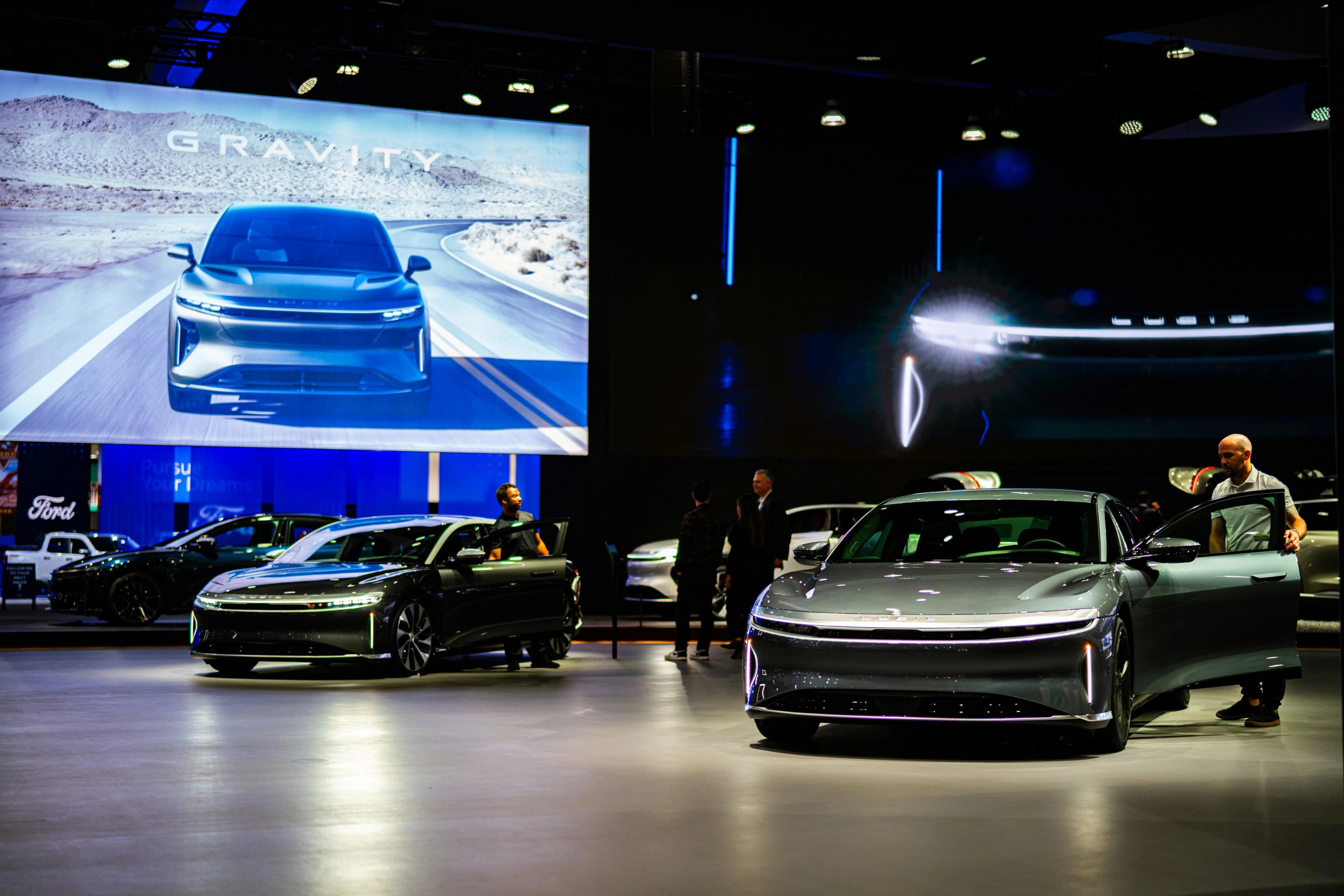
What happens next will be a fascinating case study in automotive resilience. The upcoming launch of their new Gravity SUV is widely seen as a pivotal attempt to capture the family market. If that vehicle connects with affluent buyers, it could provide the volume and revenue needed to permanently stabilize the ship. Until then, the path forward is going to remain incredibly tense for everyone involved.