Lucid Finally Realizes That Normal People Buy Cars Too
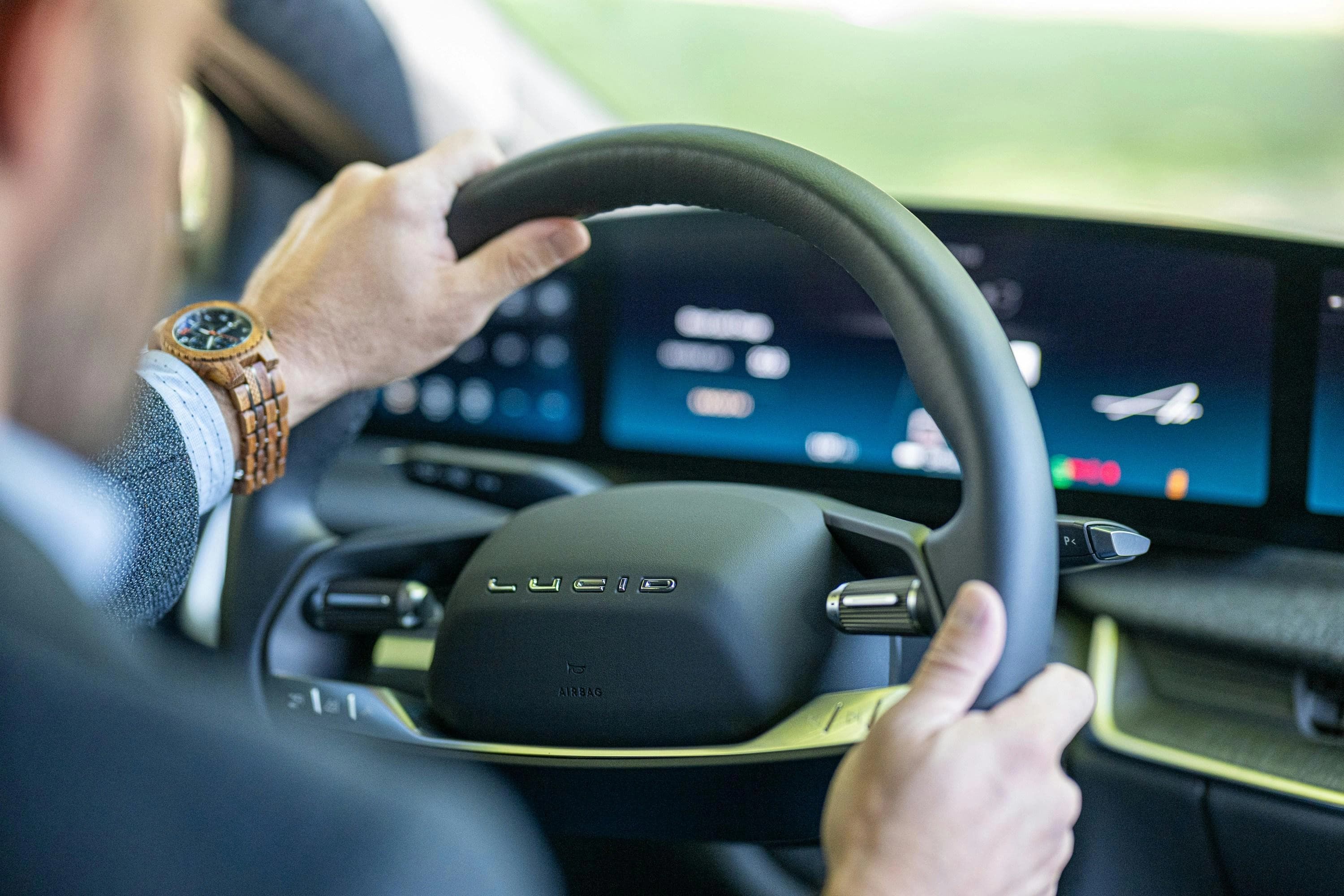
Lucid Motors has spent the last few years building what is arguably the best electric sedan on the planet. The Air is a technological marvel, a range king, and a masterclass in packaging. It is also, for the vast majority of the driving public, prohibitively expensive. You can admire a Lucid Air, but unless you have a hedge fund or a very generous inheritance, you probably aren't buying one. Today, Lucid signaled that they are done playing exclusively in the sandbox of the 1%.
The company has announced a strategic pivot toward volume with the development of three new midsize EVs, all targeting a price point around $50,000. This is the "Project Midsize" we have heard rumors about, and it is squarely aimed at the juggernaut that is the Tesla Model Y and Model 3. This isn't just a new model announcement; it’s a company-saving strategy. You cannot survive as a niche luxury automaker in the EV space forever without a volume seller to keep the lights on and the investors happy.
The decision to launch three models at once is aggressive. We are likely looking at a sedan, a crossover, and perhaps something a bit more adventurous—maybe a shooting brake or a ruggedized activity vehicle. By targeting the $50k mark, Lucid is entering the most competitive arena in the automotive world. This is where the Hyundai Ioniq 5, the Kia EV6, the Mustang Mach-E, and the Tesla Model Y live. It is a bloodbath of excellent options.
So, why be optimistic? Because Lucid has a secret weapon: efficiency. Their powertrain technology is miles ahead of the competition. If they can translate the efficiency of the Air—getting 4 or 5 miles per kWh—down to a smaller, cheaper platform, they can offer better range with a smaller battery pack. That is the holy grail of EV engineering. A smaller battery costs less, weighs less, and charges faster. If Lucid pulls this off, they won't just be competing; they could be setting a new benchmark for what a midsize EV can do.
There is, of course, the manufacturing hurdle. Building hand-finished luxury cars is one thing; mass-producing midsize crossovers requires a level of industrial ballet that has tripped up many a startup. Lucid will need to scale up production significantly, manage supply chains that are already stressed, and ensure that quality doesn't take a nosedive in the pursuit of quantity.
But for the enthusiast, this is great news. We need more competition in the midsize segment. We need someone to challenge Tesla’s dominance not just with quirks, but with superior engineering. Lucid has the tech. Now, they just need to prove they can build a car for the rest of us. If these new models drive anything like the Air, the $50,000 bracket is about to get a whole lot more interesting.