Low, Sleek, and Not Sixty Grand: The Great Christmas Sedan Re-Awakening
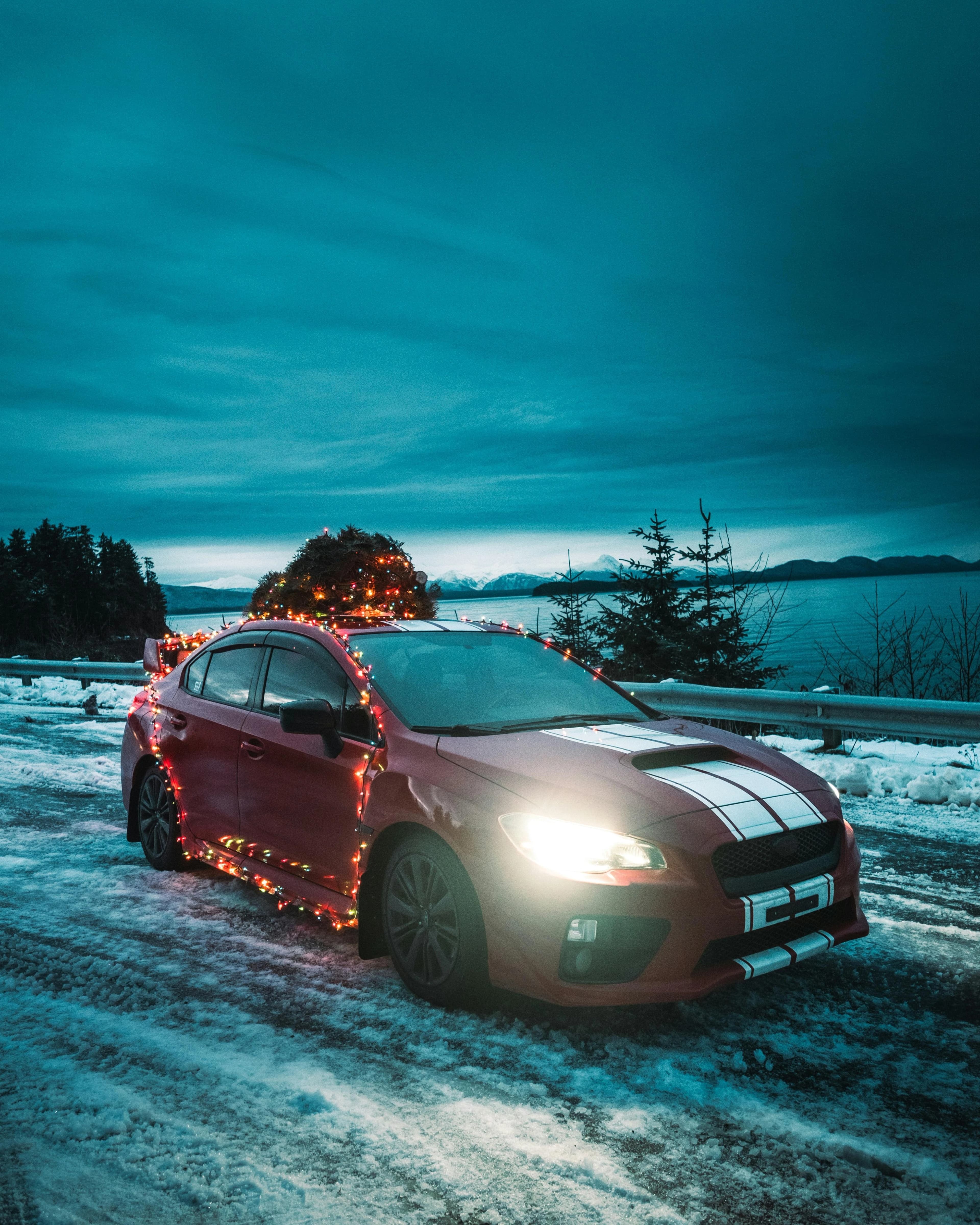
If you walked into a dealership this December looking for a mid-size SUV to haul the family to Grandma’s house, you likely walked out with a severe case of sticker shock and a sudden, intense interest in a quiet, dark corner of the showroom. For the last decade, the American consumer has treated the sedan like a flip phone—quaint, functional, but ultimately a relic of a bygone era that belonged to their parents. We were told we needed "commanding ride heights" and enough cargo space to survive a six-month trek through the wilderness, even if we only ever used that space to haul a single bag of potting soil from the local hardware store once a year.
But the 2025 holiday season has brought a much-needed dose of reality to the market. We are witnessing what industry analysts are calling "Practicality Fatigue." The "SUV Tax" has finally become too high for the average family to ignore. As we look at the year-end sales data, the average transaction price for a mid-size SUV is now pushing past $49,000. Meanwhile, a perfectly capable, tech-heavy, and frankly better-looking mid-size sedan like the Toyota Camry, Honda Accord, or Kia K5 is sitting pretty at around $33,500. That $15,000 gap is not just "extra features"; it is the cost of a college semester, a massive home renovation, or three years' worth of groceries.
People are finally waking up to the fact that 95% of their driving is done alone or with a single passenger. The "utility" of a crossover often comes with a steep penalty in fuel efficiency, handling dynamics, and most importantly, your monthly sanity when looking at your bank statement. The new 2025 Camry Hybrid, for instance, is pulling in over 50 MPG while looking significantly more aggressive and stylish than its predecessors. It is becoming increasingly difficult to justify a bulky, wind-resistant SUV that gets 28 MPG when the sleek sedan parked next to it does twice the work for two-thirds of the price.
Interestingly, there is a growing "rebel" element to this sedan comeback that is being led by the younger generations. For Gen Z and younger Millennials, the crossover has become the ultimate "parent car." It is the anonymous, egg-shaped vehicle they were shuttled in to soccer practice and piano lessons. To them, the SUV represents suburban sprawl and boring conformity. A low-slung sedan, which was once the boring choice for an accountant, now feels like a stylistic statement. It says you actually care about the driving experience, that you appreciate a car that doesn't lean like a cargo ship in a corner, and that you don’t need four tons of steel to feel safe on the highway.
This shift is also being fueled by the sheer quality of the current sedan crop. Manufacturers, realizing they had to fight for every sedan sale, have stepped up their game. Interior materials that used to be reserved for luxury brands are now standard in top-trim Sonatas and Accords.
Of course, SUVs will never truly die. They still win the argument if you actually need to tow a boat, navigate deep unplowed snow every week, or fit three bulky car seats across a back row. But for the average American commuter who spends their time on paved roads and in parking garages, the sedan is the ultimate holiday hack. Dealers are reporting a surge in "cross-shoppers"—people who walked in determined to buy a RAV4 or a CR-V but realized the sedan equivalent offered more premium features, better tech, and a lower interest rate for significantly less money.
This isn't just about saving a few pennies at the pump or on a monthly payment; it's about a fundamental re-evaluation of what a car should be in a post-inflation world. In an era of high interest rates and economic uncertainty, the three-box sedan is the unsung hero of the American road. It is the smart, witty, and aesthetically superior choice for the enthusiast who knows that "more car" doesn't always mean "better car." As we head into 2026, the sedan isn't just surviving; it’s thriving as the thinking person’s alternative to the oversized, over-priced SUV status quo.