Jaguar Land Rover Fires 500 Bosses And Tells The Electric Range Rover To Wait
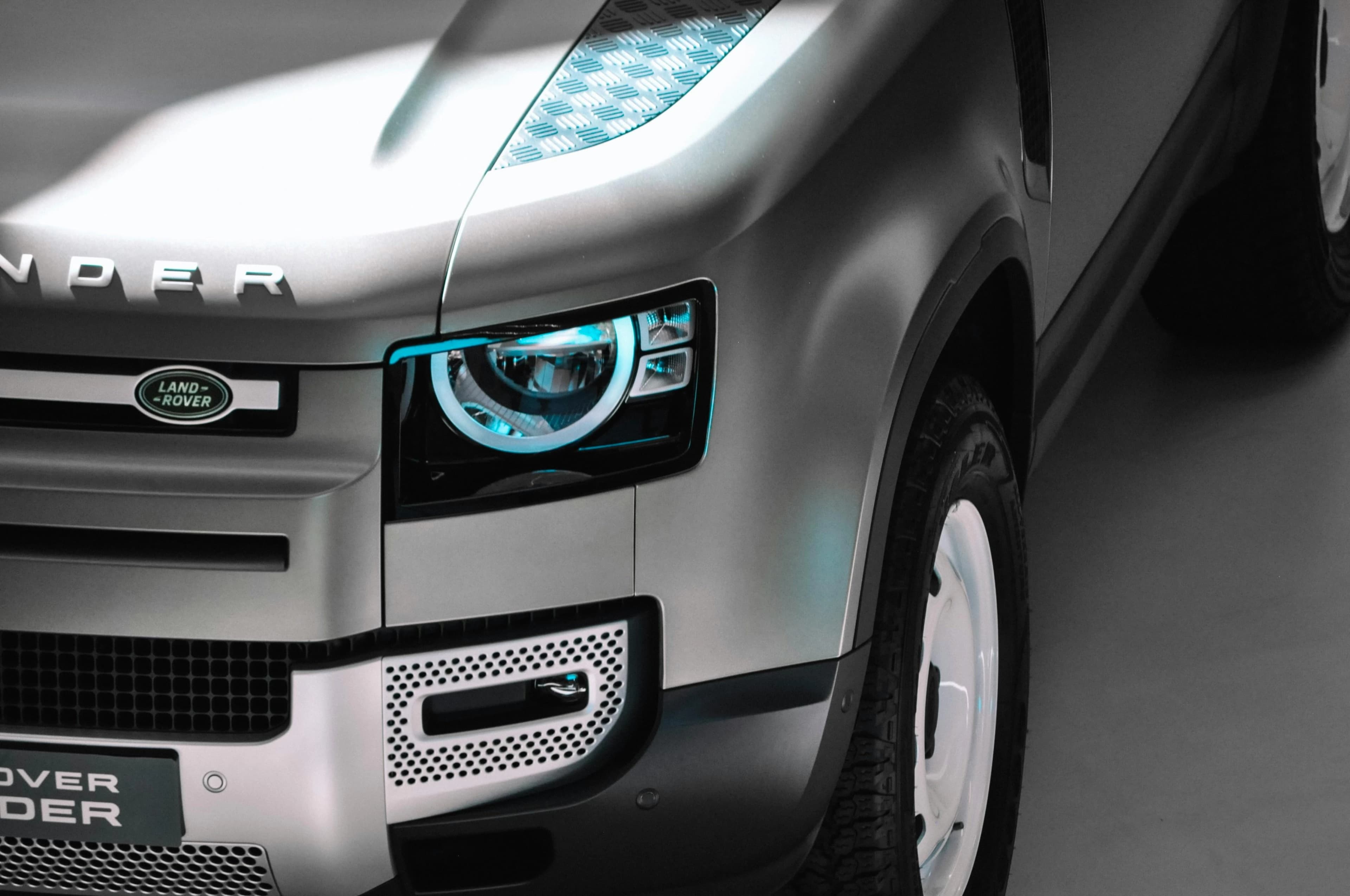
The automotive industry has spent the last 5 years acting like a nervous marathon runner who sprinted way too fast out of the starting blocks and is now desperately trying to catch their breath. The latest legacy manufacturer to execute a dramatic, mid-race slowdown is Jaguar Land Rover. The British luxury powerhouse has officially announced that it is delaying the highly anticipated launch of its premier electric Range Rover until at least late 2026. To make matters even more dramatic, the company is simultaneously trimming its corporate sails by cutting roughly 500 management positions in the United Kingdom through a voluntary redundancy scheme, proving that the road to total electrification is paved with a lot of painful math.
For a while, it looked like the upcoming battery-powered flagship was going to cruise smoothly into showrooms by the end of 2025. The brand had even managed to rack up an incredibly impressive waiting list of more than 61000 eager affluent buyers who were perfectly willing to drop serious cash on a silent, luxury off-roader. Merely building an ultra-premium electric vehicle completely in-house is an entirely different beast than slapping a battery pack into an existing gas platform. Travel constraints and engineering adjustments have complicated matters. While previous experimental electric projects were outsourced to third-party contract builders, this new generation of luxury cruisers is being engineered and built directly by the manufacturer. That shift has required a massive, intensive testing regimen to guarantee that the signature capability and quiet refinement of the brand do not get ruined by unexpected electronic gremlins.
Behind the official corporate language about ensuring the highest standards of quality, there is a massive dose of economic reality at play here. The global demand for incredibly expensive, high-end electric vehicles has cooled down significantly over the past 12 months. Wealthy buyers are increasingly shifting their attention toward plug-in hybrids, which offer the silent urban commuting experience without any of the public charging anxiety that still plagues long highway road trips. By extending the development timeline for the battery-electric models, the manufacturer can comfortably lean on its highly lucrative lineup of internal combustion engines and mild-hybrid powertrains. In short, selling high-margin gas SUVs is currently funding the incredibly expensive transition to software-defined electric platforms, so there is absolutely no financial incentive to rush a half-baked electric product to market.
The operational friction gets even more complicated when you throw international trade politics into the blender. The company was recently hit by a brutal 15.1 percent drop in quarterly sales volumes following a temporary halt in vehicle exports to the United States, which happens to be its single most vital market. Dealing with aggressive new auto tariffs and fluctuating international shipping regulations means the business needs to be leaner and meaner than ever before. The decision to eliminate 500 managerial roles represents about 1.5 percent of the total British workforce, serving as a clear corporate signal that management structures are being streamlined to focus purely on engineering execution rather than bureaucratic oversight.
This cautious approach is also delaying the highly publicized, incredibly controversial rebrand of the Jaguar side of the house. The historic British marque completely wiped its historical slate clean, pausing production on nearly all its traditional models to prepare for a radical, ultra-luxury electric reset spearheaded by a bold design language. Critics and traditional enthusiasts have spent months loudly debating the new aesthetic direction, but they will have to keep arguing into the foreseeable future. The 1st production vehicle resulting from this grand stylistic reinvention is now scheduled to begin rolling off assembly lines no earlier than August 2026, with subsequent luxury models pushed all the way out to late 2027.
Navigating this prolonged transition is a high-stakes balancing act for corporate leadership, but it is ultimately a healthy reality check for the wider luxury car market. It proves that legacy brands are finally prioritizing mechanical durability and long-term financial stability over flash-in-the-pan marketing hype. If you are a buyer who loves the traditional luxury and rugged engineering of the brand but does not feel like waiting around until late 2026 to see how these electric experiments pan out, checking the pre-owned market might be your best bet. Utilizing tools like OptiCar reports can give you a comprehensive vehicle history along with an advanced visual damage analysis, helping you shop for a classic, gas-powered luxury cruiser with complete confidence. Taking a step back to refine the technology ensures that when these high-end electric models finally arrive, they will actually be ready for prime time rather than serving as expensive field tests for frustrated owners.