Is Ford About To Murder The F-150 Lightning?
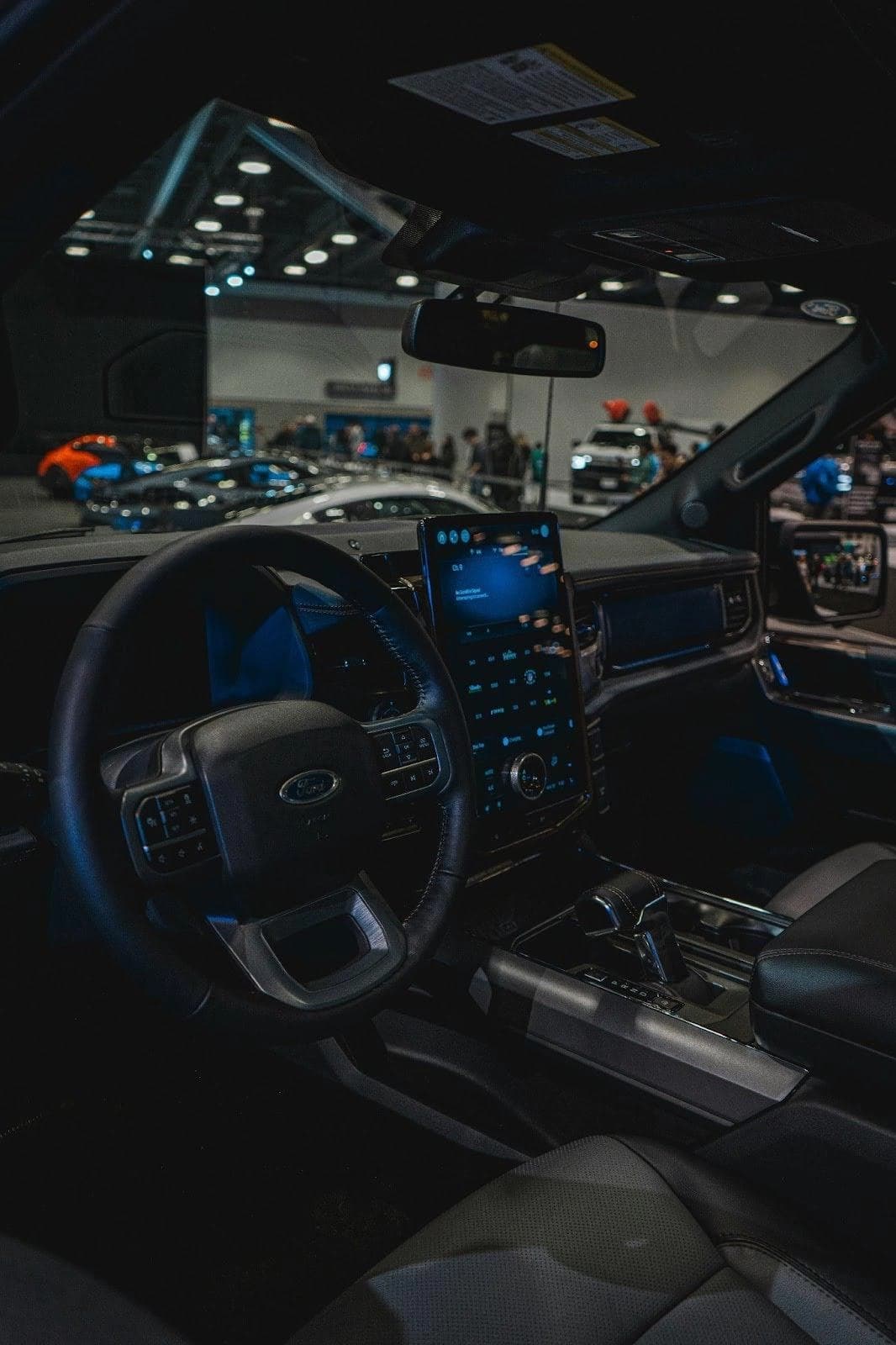
What we know: Lightning production has been idled at the Rouge Electric Vehicle Center since October, officially because of an aluminum shortage following a fire at supplier Novelis. What we also know: Ford immediately prioritized conventional F-150 and hybrid production, adding shifts to gas-powered truck manufacturing while leaving the Lightning plant sitting empty. Nothing has been decided yet, according to Ford's carefully worded statement. But the fact that cancellation is even on the table represents a spectacular reversal for a vehicle that was supposed to transform American transportation.
The numbers tell a tough story. Ford sold 24,577 Lightnings through October 2025, essentially flat compared to last year. October sales hit just 1,500 units, down 24 percent year over year. This is despite massive price cuts, an industry-wide push toward electrification, and Ford's considerable marketing muscle. For context, Ford sells more than 550,000 F-Series trucks total in a typical year. The Lightning represents less than five percent of that volume.
"There is simply no demand for the F-150 Lightning and other full-size trucks," New Jersey dealer Adam Kraushaar told the Journal, probably while staring at his lot full of unsold Lightnings. "We don't order many of them because we can't sell them." That's dealer-speak for "please stop sending us these things."
The financial carnage is staggering. Ford's Model E division, which includes the Lightning, lost $1.4 billion in Q3 2025 alone. Through nine months, EV losses hit $3.6 billion. Since 2023, Ford's electric vehicle operations have burned through more than $13 billion. That's not a typo. Thirteen. Billion. Dollars. At some point, even Ford's patient board of directors starts asking uncomfortable questions about throwing good money after bad.
The aluminum shortage provides convenient cover for what looks increasingly like a strategic retreat. Sure, the Novelis fire was real. But Ford's decision to funnel available aluminum toward profitable gas trucks rather than waiting to restart Lightning production reveals where the company's priorities actually lie. When you're losing billions on EVs and printing money on conventional F-150s, the math isn't complicated.
What went wrong? The Lightning wasn't a bad truck. It offered impressive performance, genuine utility, and clever features like Pro Power Onboard. Early reviews were positive. The problem was everything else: high prices, limited range compared to gas trucks, insufficient charging infrastructure, and a market that turned out to be far smaller than forecasts predicted. Ford initially promised a sub-$40,000 starting price. That proved to be fantasy. By the time the truck actually reached dealers, entry-level models started north of $50,000, with well-equipped versions pushing $90,000. That's a tough sell for a truck that needs to be plugged in every couple hundred miles.
The Lightning also faced the misfortune of arriving just as the EV market hit a wall. Remember that initial wave of 200,000 reservations? Those were mostly non-binding deposits from people who got caught up in electric hype. When it came time to actually write checks, most of them disappeared faster than range in cold weather. The end of the federal tax credit in September 2025 didn't help matters. Neither did Tesla's Cybertruck disaster, which probably scared away more buyers than it converted.
Ford isn't the only one struggling. Ram parent Stellantis already scrapped plans for an all-electric Ram 1500 earlier this year. General Motors has reportedly discussed discontinuing some electric trucks. Rivian cut jobs. Tesla's Cybertruck sales plummeted. The electric pickup truck revolution that was supposed to conquer America turned out to be less "revolution" and more "niche market for coastal tech workers."
If Ford does kill the Lightning, it won't be alone in the electric truck graveyard. But it will be symbolic. This was supposed to be Detroit's answer to Tesla. The nameplate everyone knew and trusted, now electrified. If Ford can't make electric F-150s work, it raises serious questions about whether anyone can make electric trucks work at scale in today's market.
Ford's official response emphasized that the Lightning remains "the best-selling electric pickup truck in the U.S." Which is technically true and also completely meaningless when the entire electric truck market couldn't fill a good-sized parking lot. We'll know more soon enough. Either Ford restarts Lightning production and proves the skeptics wrong, or they quietly shut down the Rouge Electric Vehicle Center and pretend this whole thing never happened. Based on the current trajectory, start preparing your obituaries now.