Internal Combustion Wins Again As F1 Realizes Batteries Make Heavy Bricks
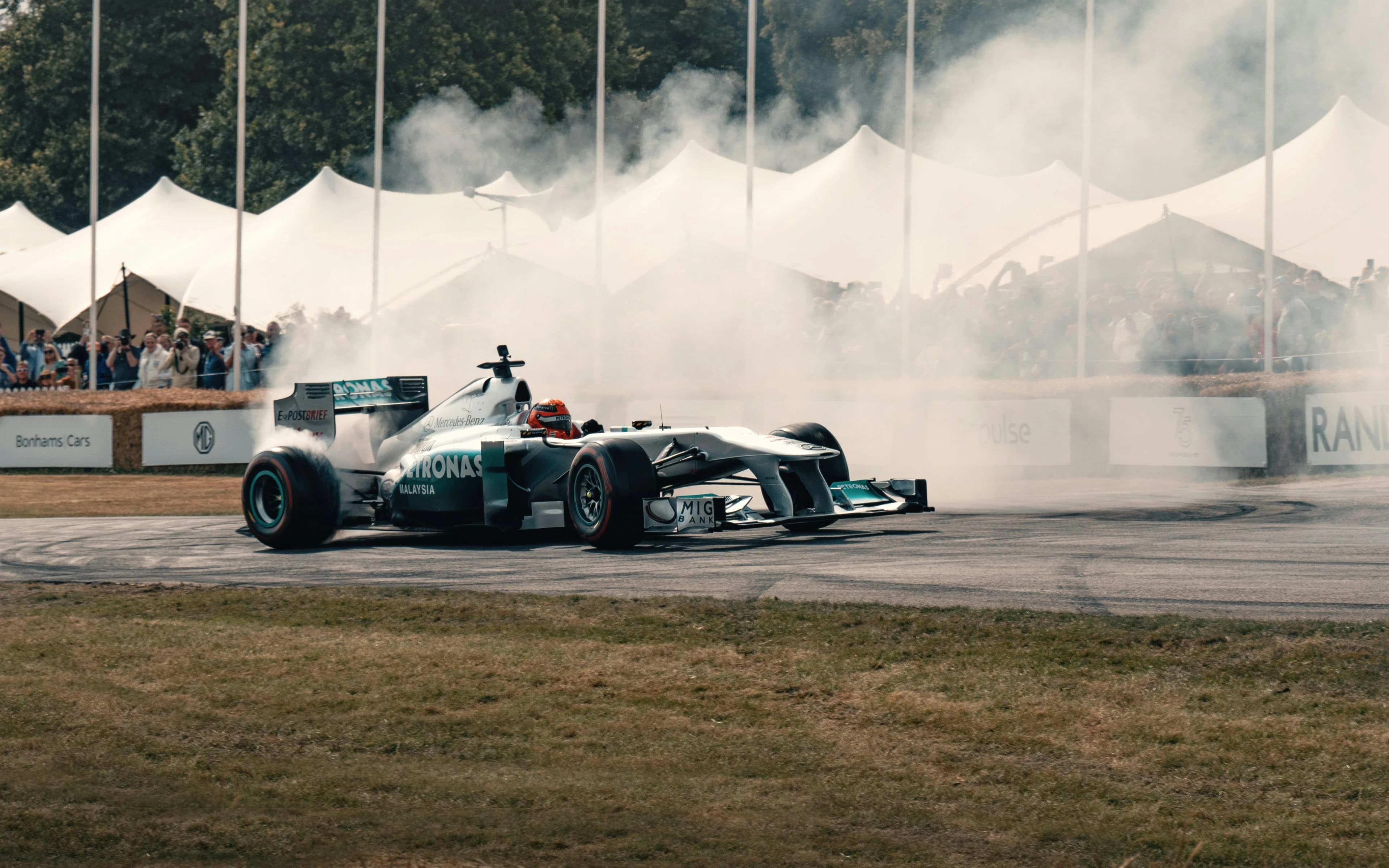
Formula 1 has spent the last few years lecturing the global automotive industry about the glorious, sustainable future of its hybrid power units. The original blueprint for the highly anticipated 2026 and 2027 engine regulations called for a radical 50/50 split between internal combustion power and electric energy. It was a bold, highly technical vision meant to position the pinnacle of motorsport as a beacon of green efficiency. But reality, as it often does in the ruthless world of high-performance engineering, has thrown a massive wrench into those carefully laid plans. Formula 1 has officially abandoned that strict 50/50 power allocation for the 2027 season, choosing instead to let the internal combustion engine retain a much larger slice of the performance pie.
To understand why the sport is executing this dramatic U-turn, we have to look at the immense technical anxiety that has been brewing in the pit lane. When the governing body 1st announced the 50/50 framework, the math looked incredibly clean on a corporate spreadsheet. The cars were projected to generate roughly 535 horsepower from a 1.6-liter turbocharged V6 engine and another 470 horsepower from an expanded electric battery and motor setup. It sounded like the ultimate hybrid racing machine. However, as team engineers began plugging these numbers into advanced simulator software, the data began to tell a far more terrifying story.
The primary issue was that relying so heavily on electrical energy created a massive power deficit on long straightaways. In simulation models, drivers were literally draining their entire battery capacity halfway down the longest straights at iconic circuits like Monza, Silverstone, or Spa. This phenomenon, which engineers quickly labeled as clipping, meant that a car would suddenly lose nearly 500 horsepower while traveling at well over 200 miles per hour. This created a bizarre, borderline embarrassing scenario where drivers would be forced to downshift on straight lines or lift off the throttle entirely just to harvest energy for the next corner. It threatened to turn the fastest racing series on the planet into a heavy, slow moving science project. Nobody buys a ticket to a grand prix to watch the best drivers in the world coast down a straightaway like a commuter trying to squeeze extra mileage out of an old hybrid hatchback.
Furthermore, the sheer physical size and weight of the battery packs required to sustain that level of electrical output threatened to destroy car handling. Formula 1 cars have already grown excessively bulky and heavy over the last 10 years, and adding massive amounts of electrical hardware was going to push the minimum weight limit past the point of physical sanity. Drivers were highly vocal about their distaste for these heavy handling characteristics, arguing that the sport was sacrificing raw racing drama on the altar of corporate sustainability optics.
By adjusting the regulations to favor a greater percentage of gasoline power, Formula 1 is admitting that internal combustion still holds the ultimate crown for sustained high-speed performance. The revised 2027 guidelines will significantly scale back the electrical contribution, allowing the V6 internal combustion engine to do what it does best without being artificially choked by a marketing framework. To keep environmental regulators and corporate sponsors happy, the sport is doubling down on 100 percent sustainable synthetic fuels. This tactical pivot allows the series to retain its eco-conscious messaging while ensuring that the cars still sound loud, move fast, and do not awkwardly run out of juice when attempting a crucial high-speed overtake.
It is a classic case of physics defeating marketing. The challenge for major manufacturers like Ferrari, Mercedes, Red Bull Powertrains, and incoming entry Audi is now shifting away from building giant, heavy batteries. Instead, they will focus on extracting maximum performance from advanced synthetic fuels. For the millions of fans who watch the sport every weekend, this rule reversal is an absolute victory. It preserves the raw, visceral speed that defines Formula 1 while proving that the internal combustion engine still has a long, loud, and incredibly fast life ahead of it on the global stage.