Hyundai Doubles Down on Hydrogen While Everyone Else Chases Batteries
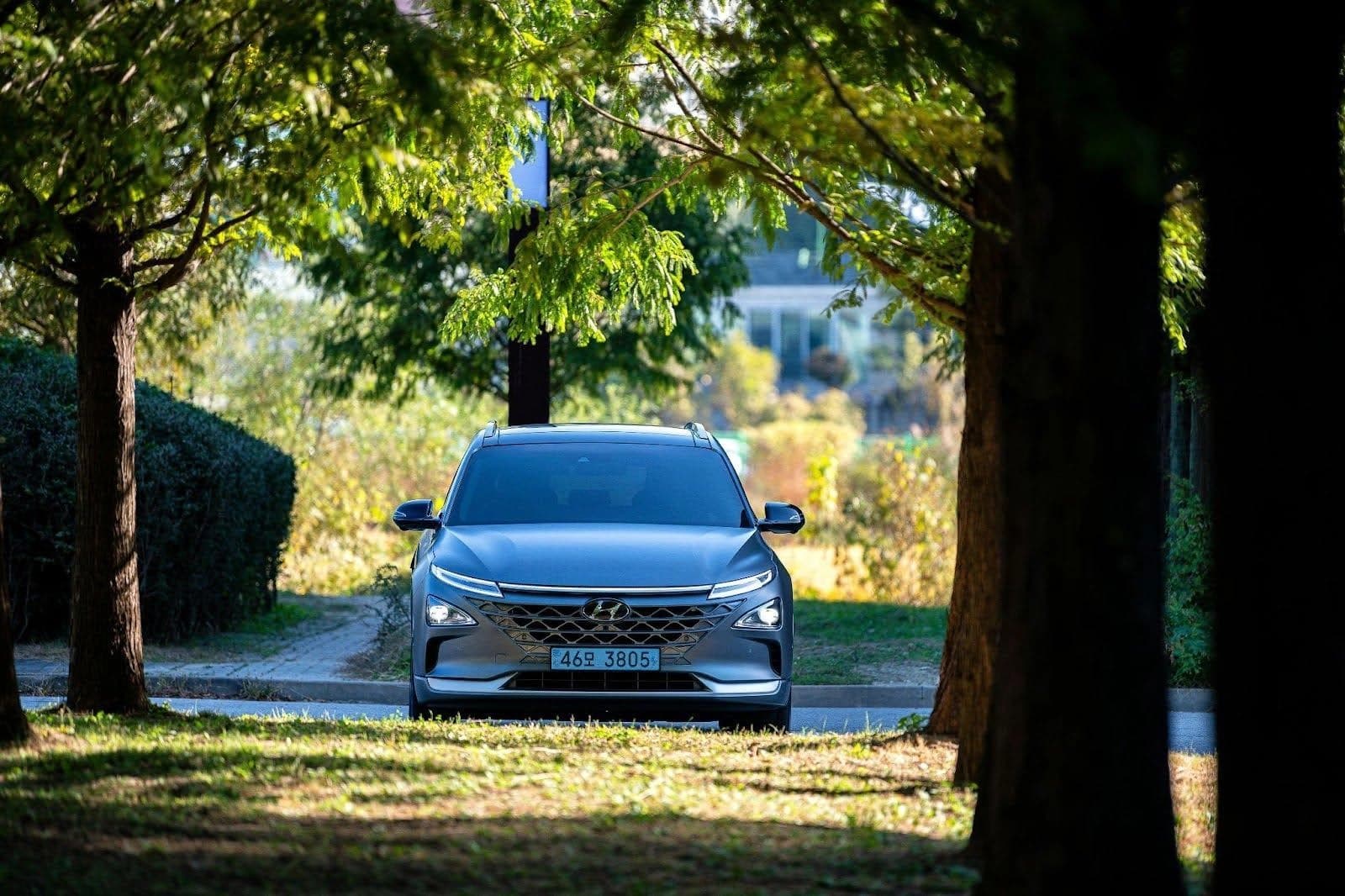
Hyundai just announced a major hydrogen initiative in the United States, including a new production facility and expanded commercial truck trials in California and Texas. This is notable primarily because almost everyone else in the automotive industry has decided hydrogen is a dead end and battery-electric is the future. Hyundai apparently didn't get the memo, or got it and decided to ignore it anyway.
The company's bet centers on hydrogen fuel cells for long-haul and heavy-duty applications where battery-electric vehicles face practical limitations. Batteries get heavy when you need extended range, and recharging takes time that commercial operators can't always spare. Hydrogen refuels quickly, similar to diesel, and doesn't carry the same weight penalty. The physics make sense for specific use cases, even if the infrastructure and economics remain challenging.
The new production facility will manufacture fuel-cell systems and components domestically, which is significant given current supply chain concerns and policy incentives for domestic manufacturing. Building in the U.S. positions Hyundai to take advantage of government subsidies and support for hydrogen development. It also signals serious commitment beyond just testing a few prototype trucks and calling it research.
The expanded truck trials in California and Texas make strategic sense. California has been the most supportive state for hydrogen infrastructure, with regulations pushing commercial fleets toward zero emissions. Texas has petrochemical infrastructure and industrial hydrogen production, making it a logical testing ground. If hydrogen trucks work anywhere in the U.S., these states offer the best odds.
The challenge hydrogen faces isn't technical viability but economic and infrastructure reality. Producing, distributing, and dispensing hydrogen remains expensive compared to charging batteries. Refueling stations are rare outside a few clusters, mostly in California. The chicken-and-egg problem persists: nobody builds hydrogen infrastructure because there aren't enough vehicles, and fleets won't adopt hydrogen vehicles without infrastructure.
Hyundai's contrarian approach could pay off if battery technology hits limitations in scaling to heavy commercial vehicles. Current battery technology works well for passenger cars and light trucks, but the weight and charging time constraints become more problematic as vehicles get bigger and duty cycles get more demanding. Class 8 trucks running long-haul routes might genuinely benefit from hydrogen's fast refueling and energy density advantages.
There's also the policy and incentive landscape to consider. Government support for hydrogen has been inconsistent but is potentially increasing as policymakers recognize that different applications might need different solutions. The Inflation Reduction Act included hydrogen provisions, and various states are exploring hydrogen corridors and infrastructure funding. Hyundai is positioning itself to capitalize if that support materializes.
The economics need to improve substantially for hydrogen to scale beyond niche applications. Green hydrogen production using renewable energy is currently expensive. Most hydrogen today comes from natural gas reformation, which defeats the climate benefits. Until renewable hydrogen becomes cost-competitive, the environmental case for fuel cells over batteries remains murky. Hyundai and other hydrogen advocates are banking on cost curves improving over time.
Competitors have largely moved on from hydrogen passenger vehicles. Toyota continues limited fuel-cell car development, but even they've shifted focus toward battery-electrics for mainstream applications. Honda exited the fuel-cell passenger car market. The consensus has formed around batteries for most applications, with hydrogen relegated to potential niche uses. Hyundai swimming against this tide is either visionary or stubborn, depending on how things turn out.
For the commercial trucking industry, the jury is still out. Battery-electric trucks are entering service and proving capable for certain routes and duty cycles. Hydrogen trucks remain mostly in trial phases. The next few years will determine whether fuel cells gain traction in heavy-duty applications or whether improved batteries and charging infrastructure eliminate the need for hydrogen alternatives.
Hyundai's strategy makes sense if you believe the automotive future includes multiple powertrain solutions rather than battery dominance across all segments. Different use cases might genuinely benefit from different technologies. Passenger cars go battery-electric, long-haul trucks use hydrogen, maybe some applications stick with biofuels. It's more complex than a single solution, but complexity might be realistic.
Whether this hydrogen bet pays off depends on factors beyond Hyundai's control: government policy, infrastructure investment, technology cost curves, and competitor decisions. The company is making a substantial investment in a technology most rivals have dismissed. That's either brilliant positioning for a hydrogen future or an expensive lesson in backing the wrong horse. We'll know which in about a decade.