Hyundai and Kia Set Record Sales by Giving People What They Actually Want
A few years ago, every automotive executive with a slide deck was ready to swear on a stack of battery cells that pure electric vehicles would completely dominate the highway by now. The grand corporate vision was simple enough. Everyone would happily park their combustion cars, install wall chargers in their garages, and silently hum along to work in aerodynamic battery pods. Instead, real life got in the way. Mainstream car buyers took one look at spotty public charging networks, sky-high electric vehicle price tags, and the sheer headache of planning a weekend road trip around broken plug stations, and collectively decided to pass for now.
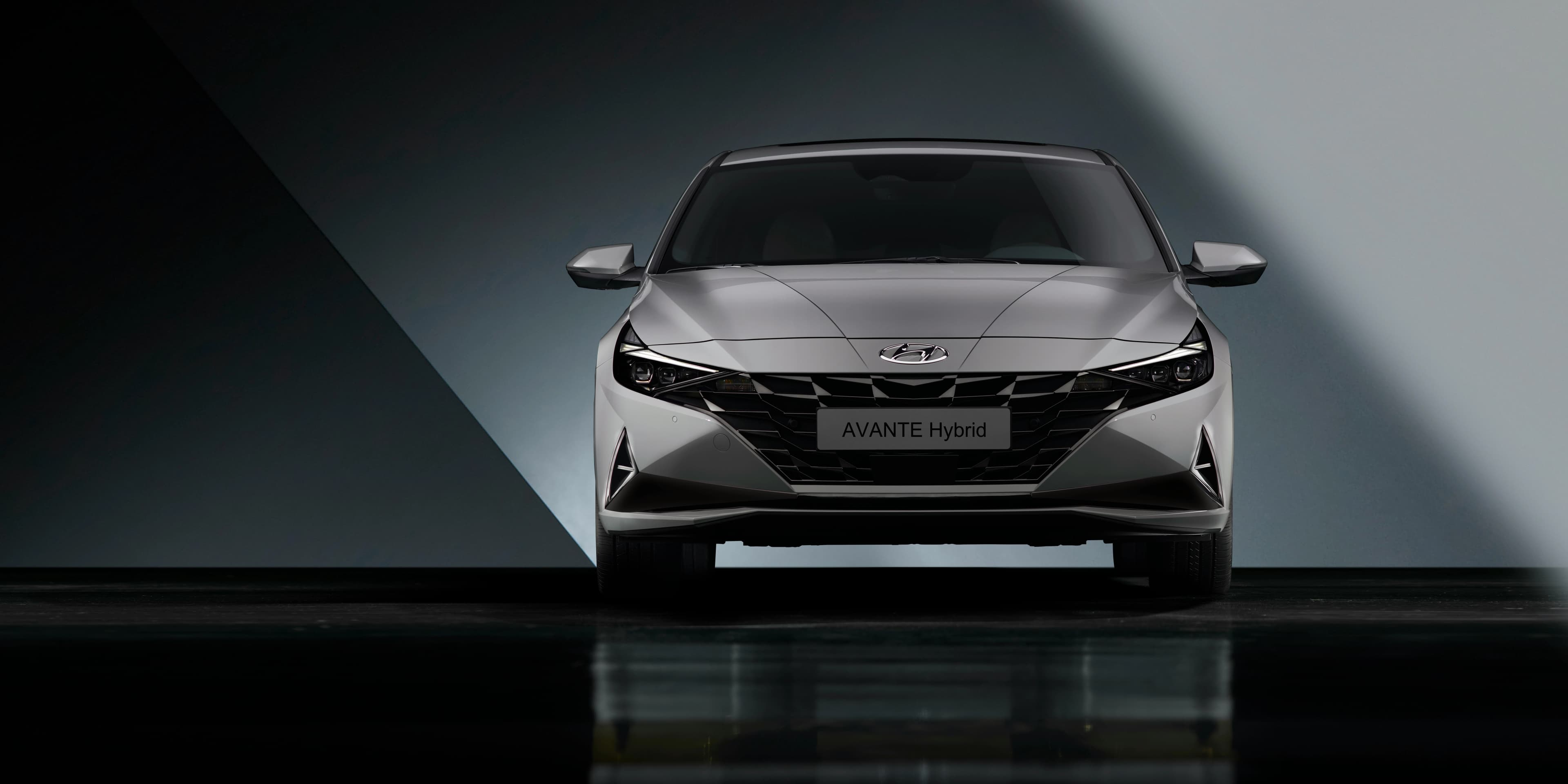
That consumer hesitation opened the door wide for a much more practical solution, and Hyundai and Kia were ready to step through it. While competitors spent the last few years either over-promising on pure battery fleets or dragging their feet with aging gas platforms, the Korean auto giants quietly crammed modern hybrid powertrains into practically everything they build. From compact sedans like the Elantra and Sonata to midsize family haulers like the Tucson, Santa Fe, and Sportage, buyers are flocking to hybrid showrooms in record numbers. The result is a historic sales surge across the American market that has left rival sales managers staring at monthly inventory reports with genuine envy.
The underlying appeal of the modern hybrid is not complicated. You get the snappy low-end torque and impressive fuel economy of an electrified vehicle without any of the range anxiety or lifestyle disruption. Drivers can easily pull forty miles per gallon on their daily commute, stop at any gas station in the country when the fuel needle gets low, and get back on the road in three minutes flat. You do not need to download four different smartphone apps just to charge your commuter car, nor do you have to spend twenty minutes standing in a cold convenience store parking lot praying that a fast charger will actually communicate with your vehicle.
Toyota originally proved the hybrid concept decades ago with the Prius, but Hyundai and Kia managed to reinvent it for modern buyers who do not want their efficient car to look like a strange rolling wedge. They built stylish, comfortable crossovers with handsome interiors and intuitive technology, then backed them up with competitive pricing and long factory warranties. While American automakers scrambled to roll back aggressive electric mandates and figure out how to restart hybrid development programs they had previously cancelled, Hyundai and Kia were already shipping boatloads of hybrid crossovers directly to dealership lots across the nation.
Naturally, this high consumer demand means these fuel-sipping models do not linger on dealer lots for long, and many shoppers are turning to the pre-owned market to find a clean example without paying steep markup fees. If you are out there hunting for a late-model hybrid crossover, keeping tabs on overall vehicle history and previous maintenance is essential. Tools like OptiCar Reports can help buyers quickly review detailed vehicle history logs and AI-powered visual inspections, making it much easier to spot hidden body damage or heavy wear before signing a purchase contract.
Automakers will surely continue arguing over federal emission deadlines and long-term electrification timelines for years to come. But on the dealership sales floor today, the customer verdict is already crystal clear. People want fuel efficiency, they want everyday affordability, and they do not want to completely alter how they travel. By giving buyers exactly what they want right now, Hyundai and Kia are sitting comfortably at the top of the sales charts while the rest of the industry scrambles to catch up.