Stellantis Rebuilds Ram and Jeep Around V-8 Nostalgia and Hybrid Reality
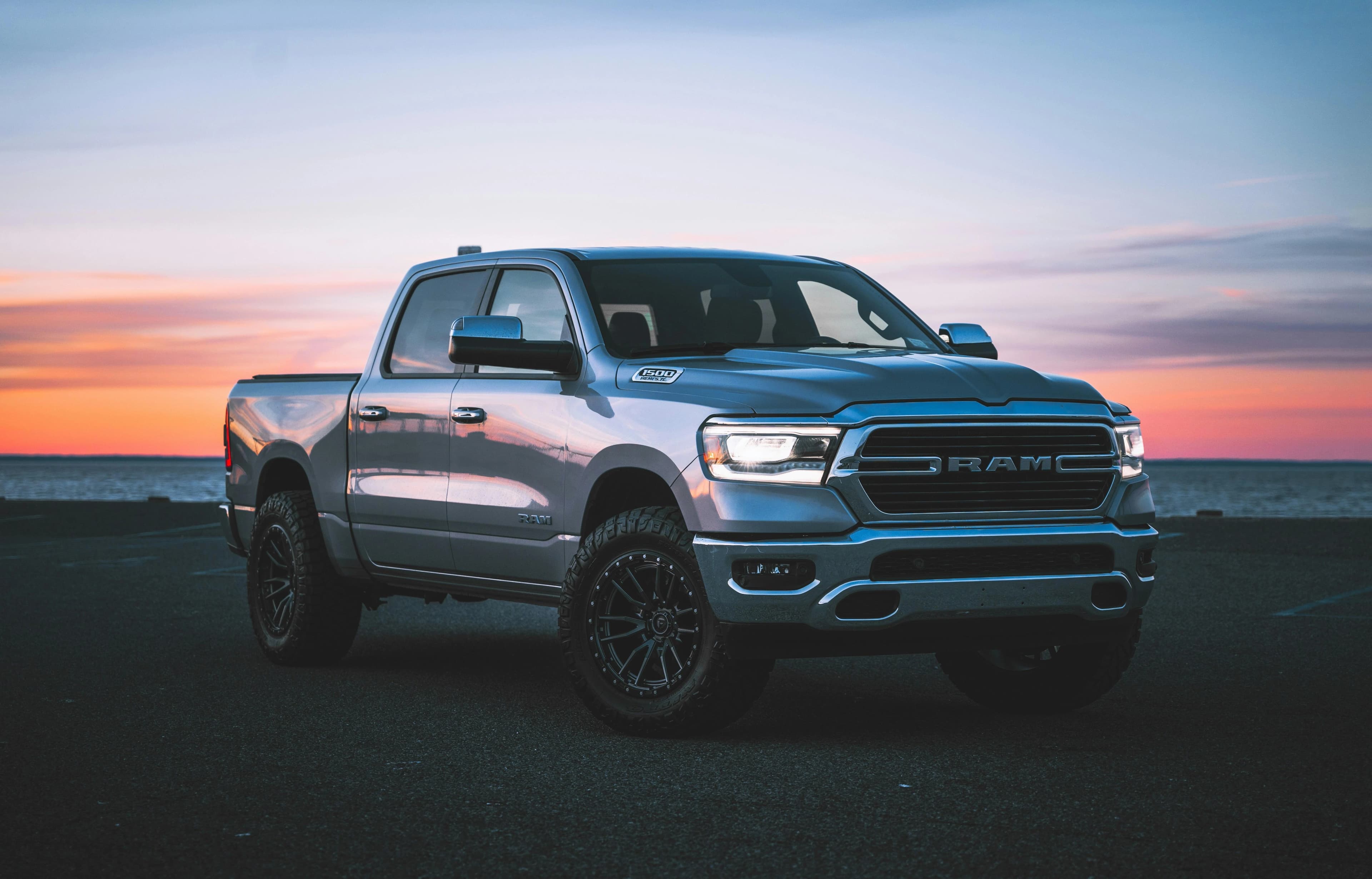
If you needed proof that the automotive industry’s "All-In on EV" strategy is undergoing a massive, shuddering recalibration, look no further than Stellantis. On December 4, the multinational giant behind Ram, Jeep, and Dodge made a pivot so hard you could hear the tires screeching in Auburn Hills. The message? The V8 is back (sort of), and hybrids are the new religion.
Stellantis is currently positioning itself as the face of the "Have Your Cake and Eat It Too" strategy in the U.S. market. After facing softening demand and delayed launches for some of their pure electric "STLA" platform vehicles, the company is doubling down on what actually moves metal in Middle America: nostalgia and range. The reintroduced Hemi V-8 options are being marketed not just as engines, but as cultural artifacts, catering to a buyer base that felt alienated by the sudden push to silent powertrains and turbo-sixes.
It’s a bold move. Just a year ago, the narrative was that the Hemi was dead, replaced by the twin-turbo "Hurricane" inline-six. And while the Hurricane is a technical marvel, it lacks the visceral, emotional connection that Ram and Jeep buyers have with eight cylinders. By bringing back the V8 in specific trims, Stellantis is admitting that they moved too fast for their core demographic. They are effectively apologizing to the faithful with horsepower.
But the real story isn't just the V8; it's the "Hybrid Reality." Stellantis announced a major push to make traditional hybrids the centerpiece of their lineup. Note that we aren't talking about the complex, expensive 4xe Plug-In Hybrids (PHEVs) that require consumer education on charging and dedicated parking spots. We are talking about standard, closed-loop hybrids—the kind Toyota has been building for twenty years. The goal is to offer the torque and efficiency benefits of electrification without asking the owner to change their lifestyle one iota.
This strategy fits perfectly with the broader industry trend of late 2025. While GM and Ford have been wrestling with EV profitability and scaling back targets, Stellantis is essentially saying, "We’ll get to EVs when the market is ready, but right now, you want a Ram 1500 that can tow a house and gets 24 mpg." It’s a pragmatic, albeit cynical, play. By leaning into the hybrid Jeep and Ram introductions, they are solving their CAFE compliance issues (especially with the new, lower Trump-era targets) while giving customers exactly what they have been asking for.
It is a fascinating pivot for a company that, just a few years ago, was promising a swift electric revolution. But cash flow is king, and right now, cash flows from gas pumps and hybrid batteries, not charging stations. Stellantis has read the room, and the room says they aren't quite ready to give up the rumble just yet. For the enthusiast who wants the tech without the tether, this might just be the most sensible strategy in Detroit.