Hybrid Heat Wave: Compact Hybrids Become December’s Hottest Used-Car Segment
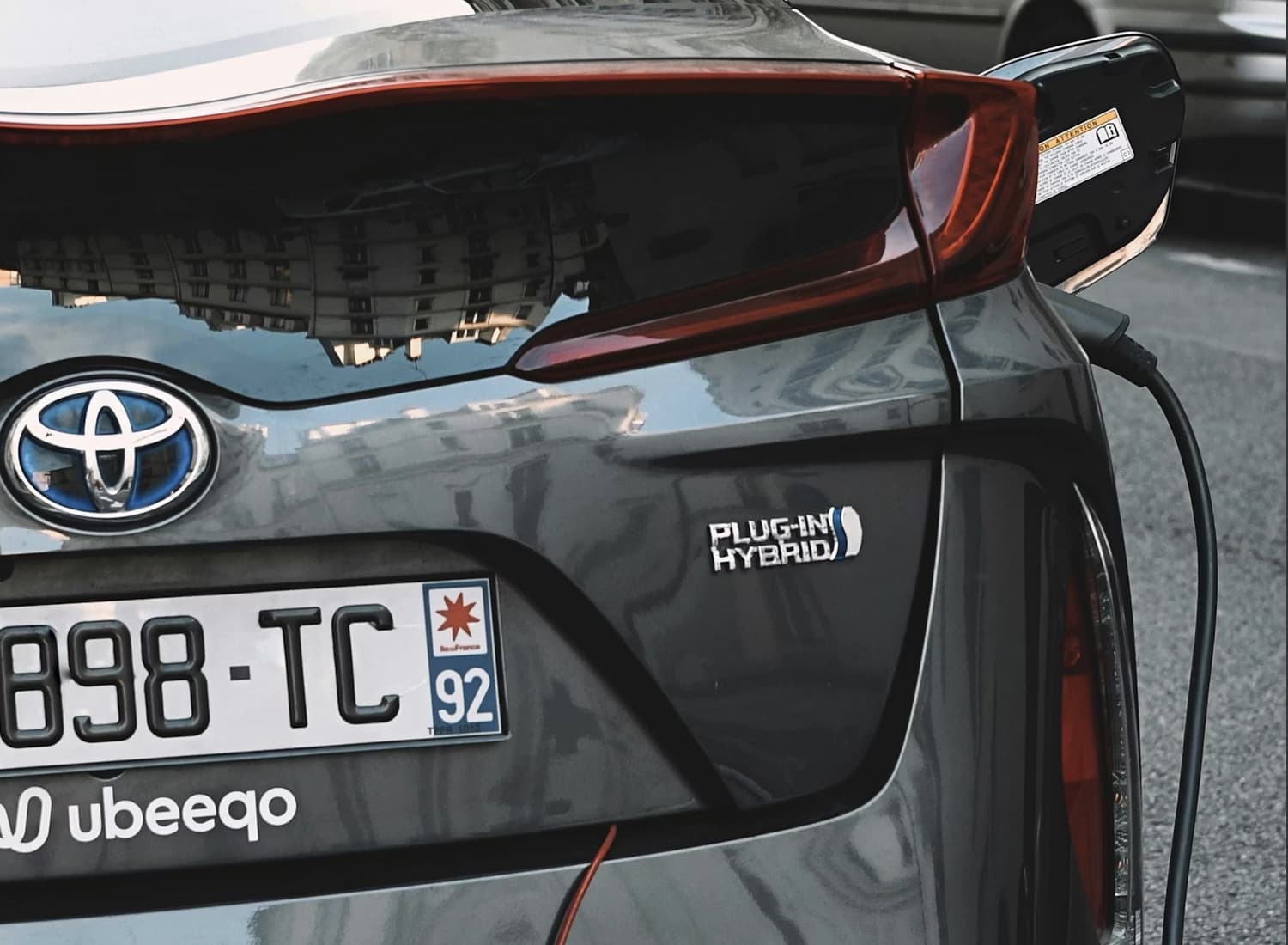
If you have been tracking the used car market with the obsessive fervor of a day trader—or if you are just an unfortunate soul trying to buy a reliable commuter car in 2025—you might have noticed something weird happening this month. For the better part of the last decade, the narrative has been dominated by the meteoric rise of the crossover and the fluctuating fortunes of the electric vehicle. But in a plot twist that feels delightfully retro, the humble compact hybrid has suddenly become the hottest ticket in town. We are talking about the Toyota Corolla Hybrid, the Prius, and the Hyundai Ioniq—cars that usually inspire as much passion as a sensible pair of beige orthotic insoles.
According to the latest dealer inventory data and marketplace chatter from the first week of December, these fuel-sippers are turning faster than almost anything else on the lot. The "days to turn" metric—a favorite spreadsheet cell for inventory managers—has plummeted for compact hybrids, leaving unsold electric SUVs and gas-guzzling trucks looking like expensive lawn ornaments. But why now? And more importantly, why these specific cars?
It is the economy, stupid. But it is a specific flavor of economic anxiety. With gas prices remaining stubbornly annoying (though not catastrophic) and interest rates making new car payments laughable for anyone without a trust fund, the "smart money" has collectively decided that 50 MPG for under $25,000 is the only metric that matters. The average consumer is tired of the volatility. They have watched EV values crater like a tech stock in a bear market, and they have watched truck prices climb into the stratosphere. The compact hybrid represents a return to sanity. It is the "flight to safety" asset of the automotive world—the gold bullion of the driveway.
Dealers are reporting a surge in trade-in activity as the early adopters—the folks who bought hybrids five years ago—are finally upgrading. This is creating a fascinating ecosystem. We are seeing a flood of 2020-2022 models hitting the lots, and instead of sitting there, they are being snatched up immediately. But here is the kicker: prices are stabilizing. Unlike the freefall we are seeing in the used EV sector (sorry, Tesla owners, but your depreciation curve looks like a cliff), compact hybrids are holding their value because they offer the one thing everyone actually wants right now: predictability. You don't need a charger, you don't need range anxiety, and you don't need a six-figure income to drive one. It is the revenge of the pragmatists.
For the enthusiast, this trend is admittedly a bit dry. We want to talk about manual transmissions and rear-wheel-drive dynamics. But there is a certain satisfaction in seeing the market correct itself toward efficiency and practicality. It is a signal that the "bloat" era of the automobile might be hitting a wall. People are realizing they don't need a 6,000-pound electric tank to go to the grocery store. They need a Corolla that starts every time and sips fuel like it is tasting a fine wine.
If you are in the market, this news comes with a warning label. "Stabilizing prices" is dealer-speak for "we aren't negotiating much." Do not expect to walk onto a lot and lowball a dealer on a certified pre-owned Prius right now. They know what they have. They know that for every person walking away because of the price, there are three Uber drivers and a college student lined up behind them with financing already approved. The "Hybrid Heat Wave" is real, and if you wait too long, you might be left out in the cold—or worse, stuck buying a used crossover with the fuel economy of a cruise ship.