The Ultimate 2026 Car-Buying Guide

Buying a car is a big decision and often a complex process. Whether you’re a first-time buyer or it’s just been a while since your last purchase, doing your homework will save you money and stress. The automotive market has changed in recent years – new car prices hit record highs (averaging over $50,000 in 2025), and automakers have been focusing on higher-end models while affordable options dwindle. Used cars remain popular (about 76% of car sales) and their prices, while elevated, have started stabilizing. In this comprehensive guide, we’ll walk you through every step of the car-buying process – from budgeting and research to shopping, inspecting, negotiating, and closing the deal – so you can navigate today’s car market with confidence.
1. Set Your Budget and Financing Plan
Start with a realistic budget for how much car you can afford. As a rule of thumb, many experts suggest keeping your total car costs (loan payment plus insurance) below about 10% of your monthly income. Another guideline is the 20/4/10 rule: put 20% down, finance for no more than 4 years, and ensure your monthly payment is under 10% of your gross income. These limits help prevent financial strain and avoid being “car poor.”
When budgeting, remember the sticker price isn’t the whole story. Account for all ownership costs, including:
· Insurance premiums: Car insurance rates have jumped in recent years. Newer cars and sports cars cost more to insure than used or economy models. Get some quotes early to estimate this.
· Fuel or charging costs: Gasoline, diesel, or electricity for EVs – consider how much you’ll spend based on the vehicle’s fuel efficiency and your driving habits.
· Maintenance and repairs: Oil changes, tires, and routine maintenance add up. Luxury or high-performance cars often have pricier upkeep. If buying used, plan for possible repairs or an extended warranty.
· Registration and taxes: Sales tax, title, and registration fees can add thousands to the purchase. These are typically rolled into the “out-the-door” price (the total you pay including all taxes and fees).
· Depreciation: New cars lose value fastest in the first few years (often ~20–30% in the first year), which impacts your total cost of ownership. A used car’s value will drop more slowly, but still factor in resale value if you plan to sell later.
Make sure the monthly payment you’re comfortable with fits your overall financial picture – especially if you have other loans or expenses. It’s wise to “test drive” your budget before you commit: for a few months, set aside the expected car payment and running costs in a savings account and see if you can manage. This not only verifies affordability, it also helps build a down payment fund in the meantime.
Plan your financing early as well. Check your credit score and shop around for auto loan rates. Interest rates have risen, so a strong credit score will save you money. In late 2025, borrowers with excellent credit (~750+) were seeing new car loan rates around 5–7%, while subprime borrowers faced double-digit rates. If you can, get a preapproved loan from a bank or, even better, a credit union – credit unions often offer the lowest rates since they are nonprofit lenders. Having financing in hand gives you leverage and protects you from dealership financing markups. When you do talk financing with a dealer, see if they can beat your preapproved rate, but read the fine print for any changes in terms. (Tip: A new U.S. tax law now even allows deducting up to $10,000/year of interest on loans for new, U.S.-built vehicles through 2028, which could save you money if you finance a new car.)
Finally, if you’re considering leasing instead of buying: leases usually have lower monthly payments, but you won’t own the car at the end. Leasing can be convenient if you always want a new car every few years, but you’re essentially renting long-term. If you lease, pay attention to mileage limits and end-of-lease fees. For most people who plan to keep a car long-term, buying (especially a reliable model you can drive for many years) is more cost-effective in the end. But if having a new car frequently matters to you and you drive a moderate number of miles, leasing is an option to weigh for its convenience.
2. Decide What You Need (New vs. Used, Type of Car, Features)
With a clear budget in mind, decide on the kind of car that fits your needs and lifestyle. Think about how you’ll use the vehicle day-to-day: Do you commute solo and need great fuel economy? Drive the family around and need lots of space and safety features? Tow a trailer or haul work equipment? Be realistic about your must-haves (passenger capacity, cargo room, fuel efficiency, off-road capability, etc.) and your nice-to-haves (like leather seats, sunroof, high-end tech). Make a list of features or attributes that are non-negotiable for you – this will help narrow your search to suitable models.
New or used? Early in your process, decide if you want a brand-new vehicle or are open to used. Each has pros and cons:
- New cars come with full warranty coverage, the latest technology and safety features, and the excitement of being the first owner. However, they are much more expensive up front and depreciate faster. As of mid-2025 the average new car transaction price was around $49–50k, an all-time high, partly because automakers have cut back on entry-level models and loaded up on luxury trims. In fact, sales of new cars under $25,000 have plummeted by 78% over the last five years as cheap models disappeared. If your budget for a new car is limited, you might have to settle for a smaller vehicle or fewer features, as truly inexpensive new cars are an endangered species (e.g. the subcompact Mitsubishi Mirage was one of the last under-$20k cars and it was discontinued after 2024). On the other hand, automakers and dealers often run incentives on new cars (special financing rates, cash rebates, etc.), especially around holiday sales events or when clearing out last year’s models. These deals – averaging around 6–7% of the car’s price in discounts lately – can take some sting out of the new-car premium, so watch for promotions on the models you’re eyeing.
- Used cars (pre-owned) cost less upfront and avoid that initial depreciation hit. You might afford a higher class of car used than you could new. For example, a 3-year-old car might cost 30-40% less than its new price. In the post-pandemic market, used car supplies have been tight (fewer new cars were made in 2021-2022, which means fewer used cars now). This kept prices historically high, but they have begun to level off – the average listing price of a used car in late 2025 is about $25,945. Inventory is steady, and recent price increases have been very small (on the order of $50 month-to-month). That’s good news compared to the crazy price spikes of a couple years ago. Still, the used market in 2025 is competitive, especially for cheaper used cars (under $15k) which are hard to find. If you’re shopping in that budget range, expect older cars with more miles, and act fast when a good one hits the market. Always check a used car’s history (more on that later) and ideally get an independent mechanic’s inspection before buying. The downside of used is higher maintenance risk (no full factory warranty in most cases) and potentially higher financing rates (loans on older cars can have slightly higher interest). But if you choose a model known for reliability and budget for repairs, a used car can save you a lot. Many personal finance experts actually recommend buying a car that’s a couple of years old, then driving it for a long time – you avoid the steep initial depreciation and still get a relatively modern vehicle.
- Certified Pre-Owned (CPO) cars are used vehicles sold by a franchised dealer (e.g. a Toyota dealer selling a used Camry) that have passed a manufacturer-sanctioned inspection and refurbishment process. They typically come with an extended warranty and other perks. CPO cars cost more than similar non-certified used cars, but the extra peace of mind – and often lower financing rates from the manufacturer – can be worth it if you want a like-new used car. For example, a CPO car might come with a 7-year/100k mile powertrain warranty and 1 year of bumper-to-bumper coverage. If you’re risk-averse about used cars, shop CPO vehicles at brand dealers.
- Lease vs buy: As mentioned earlier, leasing can be attractive if you prioritize a lower monthly payment and a new car every few years. In 2025, leasing has regained some popularity because high interest rates and prices made buying outright less affordable, thus some consumers lease to lower the monthly cost. However, be mindful that with a lease you’ll have mileage limits (often ~10k–12k miles/year) and you’ll have nothing to show at the end of the lease term (unless you choose to buy out the car then). If you only need a car for a limited time or your employer subsidizes leasing, it could make sense. Otherwise, buying a car and keeping it long-term is usually financially wiser, especially as cars today easily last well over a decade with proper care.

Pro Tip: If you’re open to an electric vehicle or hybrid, factor in some special considerations. EVs often cost more initially but can be cheaper to “fuel” (electricity vs. gas) and maintain (fewer moving parts). By 2026, a wide range of new EV models are on the market – and in fact, some are seeing price cuts or incentives as competition heats up in the EV segment. For instance, major brands like Tesla and Ford have slashed EV prices or offered rebates in 2023-2024 to boost sales. If you go electric, check what home charging installation would cost and whether you qualify for federal or state EV tax credits (these have been evolving; a federal $7,500 credit was available for many EVs but rules and eligibility can change yearly). Also consider range and access to charging stations relative to your needs. If a plug-in car doesn’t suit you, today’s gas cars are more fuel-efficient than ever, and hybrids offer a great middle ground with high MPG and no range anxiety.
In summary, outline what vehicle type (sedan, SUV, truck, etc.) and whether new or used fits you best. If you have a tight budget, a used or CPO car a few years old will stretch your dollars further. If you decide nothing but a brand-new car will do, be prepared for the higher cost and use the rest of this guide to make sure you maximize the deal on that new ride.
3. Research Vehicles and Compare Options
Now for the fun part – researching and narrowing down which specific makes and models you might want. In today’s information age, you have a wealth of resources to help you choose the right car:
- Read reviews and ratings: Look up professional reviews (from sites like Edmunds, Car and Driver, Kelley Blue Book, etc.) and consumer reviews for each model on your list. Pay attention to areas like reliability, comfort, safety, performance, and technology. Publications like Consumer Reports and J.D. Power release annual reliability rankings which can be very insightful – a highly rated brand can mean fewer headaches down the road. If considering an older used model, search for common problems (e.g. “200,000-mile reviews” or forum discussions) to see how the car holds up long-term.
- Check safety and crash ratings: Especially if this will be a family vehicle, review crash test ratings from the NHTSA (National Highway Traffic Safety Administration) and the IIHS (Insurance Institute for Highway Safety). These organizations test how well cars protect occupants in collisions. Many new cars come with advanced driver-assistance features (like automatic emergency braking, lane-keeping assist, blind-spot monitoring, etc.) that significantly improve safety. If safety tech is a priority, a newer car or higher trim might be worth the extra cost. On the other hand, some very new tech features (large touchscreens, face-recognition starters, even in-car video ads in some models) can be distracting or gimmicky – so it’s a balance. Know what features you want and which you could live without.
- Compare ownership costs: Some cars may be cheap to buy but expensive to own. Research factors like fuel economy (gas mileage), insurance group, maintenance schedules, and part costs. There are online tools and calculators (Edmunds True Cost to Own, for example) that estimate a car’s 5-year ownership cost including depreciation, fuel, insurance, maintenance, etc. Kelley Blue Book’s site even lets you compare 5-year cost estimates across models. If you’re torn between two vehicles, these costs can be a tiebreaker. For example, a luxury European sedan might be great to drive but could eat you alive in maintenance out of warranty, whereas a Japanese economy car will be ultra-reliable and cheap to fix.
- Fuel type considerations: With gas prices and environmental concerns, consider if you want a traditional gasoline engine, a hybrid, plug-in hybrid, or full electric. Hybrids can save gas especially for city driving. EVs eliminate gas entirely but require charging; if you have a stable charging solution and mostly daily commuting, an EV could drastically reduce running costs. In 2025, the charging infrastructure is much improved in many areas, but long road trips in an EV still require planning. If you’re not ready to go electric, simply aim for a fuel-efficient model in whatever category you’re shopping – it will save money over time and increase resale value too (as efficient cars stay in demand when fuel costs rise).
- Stay open-minded and test your assumptions: Don’t lock onto one model too soon. You might think you need a large SUV, but maybe a roomy wagon or crossover could do the job for less money. Or you assume you want a brand-new sedan, but a 2-year-old certified sedan might give the same benefit at a big discount. Be willing to test drive a few different vehicles in the category you’re considering. You could be surprised – for instance, if you always drove sedans, you might love the higher seating position of a compact SUV, or vice versa.
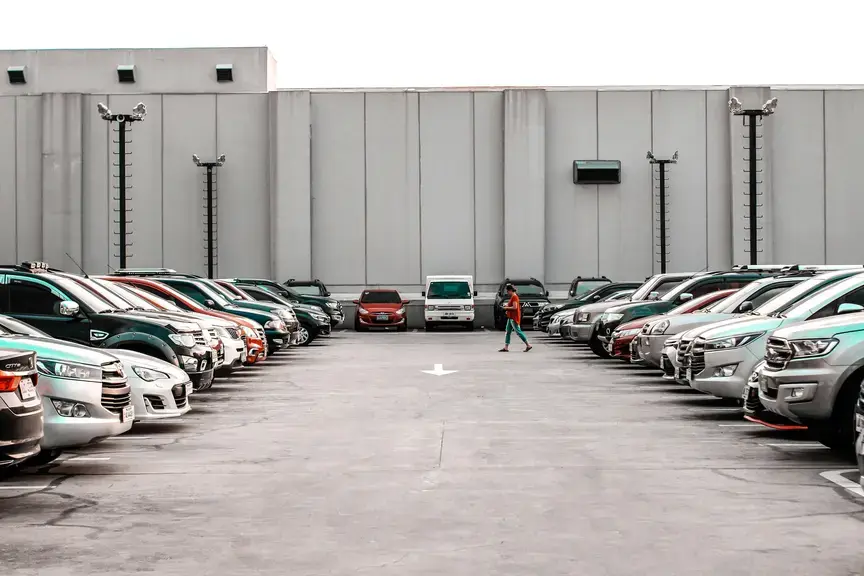
At this stage, make a short list of 2-3 models that seem to fit your needs and budget best. This will set you up for the next step: finding specific cars for sale and seeing what’s available in your area.
4. Shop Around: Finding the Right Car at the Right Price
With your target model(s) in mind, it’s time to find the actual car you could buy. In the past, this meant visiting multiple dealerships in person – but now, much of the legwork can be done online:
Use online marketplaces and search tools to see what’s out there. Manufacturer websites can show new car inventory at local dealerships. For used cars, platforms like Autotrader, Cars.com, CarGurus, and our own OptiCar marketplace are excellent for browsing a wide range of listings. On OptiCar, for example, you can filter by make, model, year, price range, mileage, and more to hone in on the best used car deals in your area. The more you cast your net, the better chance you’ll find a great car at a competitive price.
When shopping online or in-person, always focus on the “out-the-door” price (OTD). This is the total price including the car’s price plus all taxes, registration, dealer fees, and any add-ons. Sellers sometimes advertise a low price then add hefty fees, so comparing OTD prices levels the field. If you request quotes from dealers (more on negotiating in the next section), explicitly ask for the total out-the-door price in writing. That way you can compare offers apples-to-apples. For used cars sold by private sellers, there won’t be dealer fees, but you’ll still have taxes and DMV fees to handle – factor those into your budget.
As you find candidates, check the pricing guides to evaluate if the asking price is fair. Use resources like Kelley Blue Book (KBB), Edmunds, or NADAguides to look up the value of the specific car (taking into account year, mileage, condition, and features). These guides will give a range (trade-in value, private party sale value, dealer retail). If a car is priced well above the market range, you’ll know you have room to negotiate or that you might want to pass. In late 2025, used car prices overall are high but not skyrocketing, so you shouldn’t be paying thousands over book value except perhaps for extremely scarce models. Also note seasonal and regional differences: convertibles sell for a premium in summer, 4x4 trucks are pricier in snow-belt regions, etc. Keep these factors in mind while shopping.
Pro Tip: For any new car you consider, besides looking at MSRP, find out if there are manufacturers’ incentives or rebates currently available. These could be cash rebates, special low financing (e.g. 1.9% APR for 36 months), or lease deals. Often you can find this info on the carmaker’s website under a “Offers” section. Additionally, check if you qualify for specific discounts such as recent college grad, military service, loyalty (owning another car of that brand), or even conquest bonuses for switching brands. These incentives can sometimes be combined and might save you hundreds. Dealers won’t always volunteer this info, so an informed buyer will ask about it or factor it into negotiation.

At this stage, you should also decide where you’ll buy. If new, you’ll likely be dealing with franchised dealerships. If used, you have more options: franchised dealers, independent used car lots, online used-car retailers (like Carvana, Vroom), or private party sellers via classifieds. Each has pros and cons:
· Franchised new-car dealer (for used or new): Typically offers fully reconditioned cars, often higher prices but also more consumer protections (and CPO programs). Can handle financing, trade-ins easily. Will charge documentation fees and try to sell add-ons.
· Independent used-car lot: Quality varies widely – some are excellent, some are “buy here pay here” lots with high prices and dubious cars. Be cautious and get inspections for cars from small lots.
· Online retailers (Carvana, etc.): Very convenient (buy from home, car delivered) and often no-haggle pricing. They offer return periods (e.g. 7 days) which is a nice safety net. Prices might be a bit higher for the convenience. Selection is nationwide.
· Private seller: Often the best prices (no dealer overhead). You can find gems if the owner took good care of the car. However, no warranty or service after sale – it’s truly as-is. You also have to handle title transfer and payment (never pay cash without verifying title!). Always meet in safe places for test drives, etc. If you’re comfortable, private-party buying can save you thousands. Just be sure to do your due diligence on the car’s condition and history.
Mix and match your approach. For instance, you might search online, find a great used car at a dealer 50 miles away, and decide to make the drive. Or you might spot a private listing for the exact model you want and pursue that. Don’t be afraid to expand your search radius – a short road trip could be worth it for a better deal. Just remember to include the travel or shipping costs in your decision if going far.
Throughout the shopping process, keep notes. It’s easy to get overwhelmed by options. Track the cars you’re interested in, their details (mileage, trim, VIN, price), and the contact info of the sellers. This will help when you move to the negotiation step, as you can cross-reference multiple offers.
5. Check Vehicle History and Condition (Especially for Used Cars)
Once you identify a specific used car you’re serious about, it’s crucial to vet its history and condition before buying. Here’s how to cover your bases:
- Vehicle history report: Always obtain a history report from a service like Carfax or our own Price360 using the car’s VIN. This report can reveal important info such as past accidents, number of prior owners, whether it was a rental or fleet car, and maintenance records reported. Look out for red flags like salvage title (means the car was totaled by insurance at some point), odometer discrepancies, or frequent ownership churn (could indicate persistent problems). A clean report is a good sign, though not a guarantee of a perfect car – not all accidents or issues get reported.
- Maintenance records: If buying from a private seller, ask for any maintenance and repair records. A well-documented service history (showing regular oil changes, etc.) is a green flag. If the seller is local, you can even politely ask which mechanic or dealer they used and check with that shop (sometimes they’ll share records with the owner’s permission). For a dealer sale, they might have taken the car in trade with no records; in that case, assume you’ll need to do some baseline maintenance (fluid changes, new tires or brakes if worn, etc.) unless they certify it’s all fresh.
- Inspect the car’s condition: Never skip a physical inspection. If you’re not car-savvy, consider hiring a professional mechanic to do a pre-purchase inspection (PPI) – mobile inspection services can meet you at the seller’s location. It typically costs $100–$200 and can uncover hidden problems that could save you from a bad deal. If you prefer to examine the car yourself, take a systematic approach:
· Exterior: Check that body panel gaps are even (uneven gaps or misaligned panels could indicate past crash repairs). Look for any paint overspray or mismatched paint areas. A quick trick: use a refrigerator magnet on metal body panels – if it doesn’t stick in spots, there might be filler (Bondo) from bodywork. Also inspect for rust underneath, especially in wheel wells and door sills; rust can be a serious long-term issue.
· Interior: Make sure all features and electronics work – test the infotainment screen, backup camera, all windows and locks, A/C and heat, etc. Sniff for any odd odors like mildew (could indicate water leaks or flood damage). Check the wear on seats, pedals, and steering wheel – do those seem appropriate for the mileage? (If a car shows 30k miles but the driver’s seat is heavily worn, something’s off).
· Under the hood: Even if you’re not an expert, open the hood and look. Check fluid levels (oil, coolant, brake fluid) – low or dirty fluids suggest poor maintenance. Look for any signs of leaks (wet oil stains, crusted coolant around hoses, etc.). See if the battery terminals are clean (corrosion may mean an old battery). If the engine bay is extremely clean and shiny, it could mean it was just steam cleaned to hide issues – be cautious.
· Tires and brakes: Tires should have even tread wear across and on all corners. Uneven wear might mean alignment or suspension problems. Tires also shouldn’t be excessively old – check the DOT date code on the sidewall (tires older than ~6 years may need replacement even if tread is OK). During the test drive (next section) you can feel for brake function, but visually you can often see if rotors are rusted or grooved and if brake pads have meat on them.
- Suspension and frame: Peek under the car if you can. Any bent frame members or fresh undercoat in one area could be hiding damage. Push down on each corner of the car – it should rebound softly once. If it bounces repeatedly, the shock/strut there is likely worn out.
- Consider an AI-powered inspection tool: Technology is making it easier to assess used cars. For instance, our Price360 tool is an AI-powered vehicle inspection and valuation system that can analyze photos of a car to spot issues and even calculate its real-time market value. Using a tool like Price360 can give you an extra layer of insight into a car’s condition and whether the asking price is fair – all from the convenience of your phone or computer. While this doesn’t replace a physical inspection, it’s a great additional check to catch things you might miss or to flag a suspiciously overpriced vehicle.
- Certified Pre-Owned inspection: If you’re buying a CPO vehicle from a dealer, they should provide an inspection report or checklist that the car passed. Review it. CPO programs typically recondition wear items (new tires, brakes if below a certain spec, etc.), so you should be getting a car in excellent shape. Still, it never hurts to look it over yourself or even get an independent second look, especially if it’s a high-value car.

Bottom line: know what you’re buying. If a seller is hesitant to allow an independent inspection or rushes you, that’s a red flag – you can walk away. It’s far better to lose out on a car than to inherit someone else’s problems. With thorough history checks and inspections, you dramatically reduce the chances of buying a lemon.
6. Test Drive and Evaluate Your Choices
Never buy a car without a test drive. A test drive isn’t just to see how you like the car; it’s also your opportunity to spot potential mechanical issues and to confirm that the vehicle meets your expectations in comfort and performance.
When you go for a test drive, try to replicate the kind of driving you’ll normally do:
- City driving: If possible, drive in stop-and-go traffic. Is the car’s acceleration adequate from a stop? Does the transmission shift smoothly? Listen for any odd sounds when braking or going over bumps (clunks could indicate suspension issues).
- Highway driving: Get it up to highway speed. Does it track straight if you briefly loosen grip on the wheel? Any vibration at higher speeds (could indicate tire balance or alignment issues)? Also test merging and passing power.
- Parking and maneuvering: Find a parking lot and do a tight U-turn or two. How is the turning radius? Is the visibility acceptable when backing up (especially if it’s a larger vehicle)? Try parking to see any blind spots – and test any parking cameras or sensors.
- Comfort check: As you drive, notice the ergonomics. Can you adjust the seat and steering to a comfortable position? Are the seats supportive? If you’re tall, is there enough headroom? If you have family, bring them along to check rear seat space and access (install the child seat to see if it fits, etc.). Also assess the noise level – a test drive is the time to detect excessive wind or road noise that might annoy you later.
- Tech check: Pair your phone via Bluetooth to ensure that works. Experiment with the infotainment system – is it intuitive or frustrating? Given how much tech is in modern cars, you want to be sure you’re comfortable with the interface (or at least that you could get used to it). If the car has advanced driver aids (adaptive cruise, lane assist), see if the salesperson will let you sample them on a safe road.
If you’re test driving a new car, you might be limited to whatever demo the dealer has (which could be a different trim). If it’s not the exact trim you plan to buy, ask the salesperson to confirm any differences. For instance, you test a top-trim with a bigger engine but you’re buying a base model – that’s important to note. Ideally, test drive the specific vehicle (by VIN) that you will purchase, especially for a new car; then you can verify it has all the options it’s supposed to and no defects (it’s rare but sometimes new cars have minor issues or lots of test drive miles on them – you can negotiate or request a different unit if so).
For used cars, definitely drive the exact car you might buy, and drive it long enough. A quick spin around the block is not sufficient. Don’t be shy about taking 20-30 minutes if possible. Sellers who are confident in the car shouldn’t mind. During the drive, continue to listen and feel: any unexplained noises, warning lights on the dash, strange vibrations, or unpleasant odors (like burning oil smell) should be investigated. After the drive, pop the hood again and see if anything is leaking or if any smells are present.
Tip: If one test drive isn’t enough, you can ask for more time or even see if you can rent the same model for a day. Some dealerships or rental agencies have hourly/daily rentals for extended test drives. This can be valuable especially if you’re considering a car with complex tech – a 15-minute spin might not reveal annoyances that a full day of driving would. As one expert suggested, renting the model for a weekend can let you truly live with the car’s quirks before deciding.

After test driving your top choices, hopefully one will stand out as feeling right. If not, you may need to broaden your search and try some different models. It’s better to spend a bit more time now than to rush into a car you’re not happy with.
Once you’ve settled on the car (make, model, year, and perhaps even the specific vehicle) that you want to move forward with, it’s time for what many consider the most challenging part: negotiation. Fear not – with the preparation you’ve done, you’ll be in a strong position to negotiate the best possible deal.
7. Negotiating the Price and Getting the Best Deal
Negotiation can save you hundreds or even thousands of dollars, so it’s well worth the effort. It might feel intimidating, but remember: you as the buyer have the power to walk away, and that is your strongest leverage. Here are strategies to negotiate like a pro:
Do your pricing homework: Before you make any offers or discuss numbers, know the market value of the car from your research. For new cars, find out the invoice price (what the dealer pays the manufacturer, available on sites like Edmunds) and any dealer incentives. That gives you an idea of the dealer’s true cost. For used cars, use the price guides as mentioned and note recent sale prices of similar cars (if you see the same model year selling elsewhere for less, that’s evidence the price should come down).
Negotiate remotely when possible: A great tactic to reduce stress is to get price quotes via email or phone from multiple dealers, before you set foot in a showroom. Many dealerships have an “Internet sales” department that handles online inquiries. Send a short, polite email to the dealerships in your area (or use their online quote forms) saying something like: “I’m ready to purchase a [2026 XYZ model] in [trim level, color]. Could you provide your best out-the-door price (including all taxes and fees)? I am contacting multiple dealers and plan to buy within the next few days.”. By doing this, you force dealers to compete on price without the pressure of being in-person. Do not give them your phone number initially if you can help it – insist on email. Salespeople often try to get you on the phone to apply pressure; email keeps everything at your pace and in writing. If a dealership won’t quote via email, consider if you want to deal with them at all; many will relent if you indicate you’re a serious buyer. Using a throwaway email account can help manage the barrage of replies.
If you’re buying used from a private seller, remote negotiation is less formal. You can still ask questions via phone or text and get a sense if the price is flexible. But usually you’ll want to see the car first and then negotiate in person for a private sale (after all, your offer may depend on condition).

Leverage multiple offers: If you get several dealer quotes, use them to your advantage. Don’t be afraid to show (or forward) a lower quote to another dealer and ask if they can beat it. Dealerships expect that customers might cross-shop, especially for commodity new cars. Even for used cars at dealerships, if you have similar vehicles to pit against each other, do so – e.g., “Dealer B has the same model with similar miles for $1,000 less, can you come closer to that price?” This way, you drive the price toward the “rock bottom” the market will bear. Eventually, you’ll find a lowest price one of them will offer. Make sure when comparing quotes that they are truly for the same configuration and include the same items. One dealer might include add-ons (like wheel locks or an extended warranty quote) that the other doesn’t. Compare apples-to-apples on the final out-the-door number.
Focus on OTD price, not monthly payment: This is vital. Salespeople will often try to shift the conversation to “What monthly payment can you afford?” Don’t fall for that. Keep the discussion on the total price of the car (with all fees). A deal can be made to look good by extending the loan term (making monthly lower) or by hiding extra charges in the financing. By concentrating on the OTD price, you ensure you’re actually getting a good deal, not just a seemingly low payment that masks a high price. When negotiating, repeatedly steer things back to the total purchase price. In fact, it’s often best not to discuss financing or trade-in at all until you’ve settled on a price for the car. Bundle those later (we’ll cover it in the next sections). Salespeople may ask, “If I can get you this car for $X a month, would you take it today?” A good response is, “I’m focused on the overall price right now; we can talk financing after we agree on a price.” This keeps you in control.
Be polite but firm: Negotiation doesn’t have to be combative. In fact, being courteous can often get you further. But assertiveness is key. State what you want clearly: “If you can do $25,000 out-the-door, I will buy today.” If they counter with a higher number, don’t be afraid to counter back. It’s a dance. Use silence to your advantage too – if the salesperson makes an offer, take a moment (even a long pause) to consider or even act slightly hesitant; they may fill the silence by sweetening the deal.
Timing and walking away: Timing can influence deals. End of the month or quarter, dealerships might be more eager to hit sales targets and give you a better price. The end of the calendar year can also be a great time, as dealers clear out old models. If you’re at a dealership and negotiations are dragging, be ready to walk away – literally. Walking out (or the willingness to) is one of your best negotiating tools. You’d be surprised how quickly a “final” price improves when you politely prepare to leave. It’s not rude; it’s business. Just thank them for their time and say you need to think it over. Often, you’ll be called later that day with a better offer, or even stopped on your way out to “see what we can do.” This isn’t bluffing – genuinely be okay with leaving if the deal isn’t right. There are plenty of cars out there.
For new cars, a reasonable target might be somewhere below MSRP (if the model isn’t in hot demand) or at least a good chunk off the sticker plus any incentives. For very popular new models or limited editions, you might have less room (some even sell above MSRP in crazy times, but try to avoid that unless it’s a rare model you must have). For used cars, the negotiation range is even more variable because each used car is unique. If a used car seems overpriced, you can substantiate your lower offer with references: “This offer is based on the vehicle history and what I see similar cars going for in the market.” It helps if you can show you’re a serious buyer – maybe even having a cashier’s check or preapproval ready for the amount you’re offering.
Negotiation example: Suppose a dealer is asking $27,000 plus fees (maybe $29k OTD) for a used SUV. Your research shows similar ones for sale at $25k elsewhere and the KBB says $26k is fair. You might offer something like $24k OTD to anchor low. They’ll likely counter, maybe $28k OTD. You then mention those other listings and perhaps come up to $26k. They go to “talk to the manager” and come back with $27k. If that’s still high, you can deploy the walk-away: give them your number (say, $26.5k is your absolute max), and if they won’t meet it, thank them and leave your contact in case they reconsider. Often, the phone will ring the next day agreeing to your price or meeting in the middle. It’s all part of the game.
Use the “out-the-door price includes everything” rule: Before agreeing, double-check that the price you settled on truly includes all fees and taxes so there are no surprises in the finance office. Dealers can have various fees (documentation fee, prep fee, etc.). It’s fine if they have them as long as the total is what you agreed. If you negotiated OTD, by definition it should cover those. When you sit down to sign papers and see an itemized breakdown, ensure it matches. If suddenly there are extra charges that were not disclosed, speak up or be ready to challenge them or walk (often those “junk fees” will magically get removed if they were not agreed upon).
By the end of this negotiation step, you should have a firm agreement on price (preferably in writing/email, especially if done remotely), and ideally the exact VIN of the car you’re buying is confirmed and reserved. The next pieces of the puzzle are handling any trade-in and finalizing the financing and paperwork.
8. Trading In or Selling Your Old Car
If you have a current vehicle you’re replacing, you need to decide whether to trade it in to the dealer or sell it yourself. Each approach has pros and cons:
- Selling privately usually gets you more money for your old car, since a private buyer will pay closer to retail value while a dealer will give wholesale (they need margin to resell it). If maximizing cash is your goal and you don’t mind a bit of extra effort, selling your car on your own is the way to go. Websites like Craigslist, Facebook Marketplace, or specialty sites can help you find buyers. Just be prepared to handle inquiries, show the car, allow test drives, and do the paperwork (you’ll typically need a bill of sale and to sign over the title). Safety tip: meet buyers in public places and ensure payment is secure (cash or bank check at a bank). Many people do this successfully and pocket thousands more than a dealer would give. Example: A dealer might offer $8,000 trade-in for a car you could sell privately for $10,000. That $2k difference can be worth it.
- Trading in to a dealer is convenient – basically you hand them your keys and you’re done. It also has a tax advantage in many states: the trade-in value is subtracted from the new car price for sales tax calculations. For instance, if you trade in a car for $10k and buy a $30k car, you might only pay sales tax on the $20k difference. If your state tax is, say, 8%, that’s an $800 savings which narrows the gap between trade-in and private sale proceeds. This is an important consideration; in some cases, if your trade-in is of decent value, the tax savings plus no-hassle convenience makes trading in appealing. However, know that dealers will often low-ball trade-in offers – it’s another profit center for them. It helps to get multiple trade-in quotes as well. You can even take your car to places like CarMax or use online services (e.g., KBB Instant Cash Offer) to get an offer that is good for cash, then use that as a baseline. Sometimes, the dealer you’re buying from will match or beat a CarMax offer to keep your business.
If you plan to trade in, do some prep work to maximize its value: - Clean your car thoroughly (wash, vacuum, remove personal items). First impressions matter – a clean, nice-smelling car signals it’s been cared for. - Fix minor things if cheap (replace a burnt-out bulb, top off fluids). Don’t spend more on repairs than it’ll increase the value, though – major repairs you likely won’t recoup dollar-for-dollar. - Have your maintenance records ready to show the dealer, and know your car’s trade-in value from KBB/Edmunds. Print those value estimates out; they provide a reference point in negotiations. - When negotiating your new car purchase, negotiate the trade-in separately after settling the new car price. This prevents the dealer from playing numbers games like giving you a great new car price but shorting you on the trade (or vice versa). Treat each as its own deal. Only once you have the new car OTD price locked in should you say, “Now, I do have a car I’d like to trade – what will you give me for it?” Some dealers will try to combine everything (“we’ll do this if you do that”) – keep it separate in your mind and paperwork.

When you get a trade-in offer, don’t hesitate to haggle on that too. Dealers expect you to, just like with the new car price. Use your research: “I have a written offer from CarMax for $10,000, can you match that?” or “According to KBB, a fair trade-in value is about $11k; I was hoping to get closer to that.” They might come up a bit, especially if they really want to sell you the new car. If they won’t budge and the offer is too low, you have the option to decline trading in. You could complete the purchase without the trade, then go sell your old car elsewhere. Walking away from a trade-in is perfectly fine if it doesn’t make sense. In fact, some experts recommend securing the car purchase first, and only trading in if the offer is truly convenient and reasonable.
Remember to also account for that sales tax perk if applicable – it might allow you to accept a slightly lower trade figure. For example, if you think your car is worth $10k but dealer only offers $9k, in a state with tax on the net, that $9k trade saves you maybe ~$700 in tax on the new car, effectively making it $9,700. Suddenly the convenience premium seems smaller.
One more tip: Don’t mention your trade-in too early. Salespeople sometimes ask early on if you have a trade. It’s often best to say you’re not sure or you’re considering selling it yourself. If you reveal a trade, some will try to mix that into the deal structure from the start. As noted, keep it separate until after negotiating the new car. Only then say, “Here’s my car, what can you do for it?” This way, you evaluate the trade deal on its own merit.
So, whether you trade in or sell privately depends on your priorities (money vs time) and the specifics of your situation. Either way, have a plan so you’re not scrambling after buying your new car. If you do sell privately post-purchase, you might need to arrange temporary transportation or be without a car for a short while – consider that in your timing. If trading in, make sure you’ve removed all personal items and that you have the title (or loan payoff info) readily available to hand over.
9. Finalizing the Paperwork and Avoiding Last-Minute Extras
You’ve agreed on a price, arranged financing (or will use your preapproved loan or cash), and possibly sorted your trade-in. Now comes the final paperwork stage, usually in the dealer’s finance and insurance (F&I) office if you’re buying from a dealership. This is where all the official documents are prepared and signed. It’s also the stage where the dealer may try to sell you additional products such as extended warranties, protection plans, GAP insurance, etc. Stay on guard here – you’re almost at the finish line.
Review the sales contract line by line before signing anything. Ensure that the numbers match what you agreed on: the price of the car, trade allowance (if any), sales tax, DMV fees, documentation fee, and any agreed upon extras or rebates. Dealers sometimes “accidentally” include things or make mistakes in their favor – for example, a higher interest rate, or added fees for pinstriping or VIN etching that you never agreed to. Don’t assume it’s correct; double-check everything. Do not let the finance manager rush you through it – they might say “it’s all standard” but take your time to read. This contract is legally binding; once you sign, it’s very hard to undo the deal. If you spot something off, speak up immediately and get it corrected. It’s helpful to have your earlier notes or email printouts on hand (e.g. the email agreement of price, or your loan approval terms) to compare.

Now, regarding all those add-ons and warranties: The finance manager’s job is largely to upsell these because they’re hugely profitable for the dealer. They might pitch things like: - Extended warranty / service contracts (covers repairs after the factory warranty), - GAP insurance (covers the loan balance if the car is totaled and insurance payout is less than you owe), - Prepaid maintenance plans, - Tire and wheel protection, paint protection, fabric protection, theft deterrent etching, and so on.
Most of these are not worth the price they charge, or are completely unnecessary. For example, a dealer might ask $500 for fabric protection that is essentially a $10 can of Scotchgard spray. Or $200 for VIN etching which you can do yourself for $20. They often massively mark up these services. An extended warranty can be valuable for some cars, but note that if you’re buying a reliable model (especially new), you likely don’t need an extended warranty at all – modern cars are built to last, and you’d be paying for coverage you might never use. Moreover, if you really want an extended warranty, you can often buy it later (anytime before the factory warranty expires) and sometimes at a better price from third-party warranty companies or even other dealerships that sell the manufacturer’s official plan at a discount.
GAP insurance is one add-on some people consider, but you can usually get GAP coverage far cheaper through your own auto insurance company or lender. Dealers often charge 5-10 times more for the same coverage. If you put a very small down payment and have a long loan, you might want GAP, but just not at dealer prices. Check your loan and insurance options for GAP first.
The best approach is to politely decline all add-ons. You can say something like, “No thank you, I’m not interested in any additional warranties or protection packages.” If they persist, a firm line to use is: “I will not add anything that changes the agreed out-the-door price.” This signals you are done negotiating and won’t entertain extras. Finance managers hear this and usually back off, because they know you know what you’re doing. In some cases, they might try a scare tactic – “What will you do if the engine blows up?” or “These new cars are so high-tech, repairs can be costly.” Don’t be swayed; these are designed to play on fear. You can respond with confidence: “This model has great reliability ratings (or a long factory warranty), I’m comfortable without any additions.”. If they offer a “special” on something you truly think you want, you can still negotiate those – e.g., if an extended warranty is $2,000, you could say you’ll take it for $1,000. Often their cost is low enough that even at $1,000 they profit. But generally, it’s fine to refuse everything.
Important: If you did decide to use dealer financing, be extra careful here. Sometimes finance managers might slip in a slightly higher rate than quoted or add a year to the loan term without clearly mentioning it, hoping you won’t notice in the pile of paperwork. Verify the APR and term length on the contract matches what you agreed. If you brought a preapproval and the dealer is beating it, make sure it’s the same conditions (e.g., not an intro rate that spikes later). If you don’t like their financing offer, you have your backup. You are free to say, “I’ll stick with my own financing.” Only sign up for their financing if it truly saves you money.
Double-check the title and registration details as well. The dealer will usually handle transferring the title and getting your new plates or moving your old plates. Ensure your name and address are correct as you want them on the title. If you’re buying out of state, ask about how taxes are handled and how you’ll register locally – dealers often can provide temporary tags.
Once all is agreed and correct, you will sign a stack of documents: the sales contract, odometer disclosure, financing agreement (if applicable), warranty acknowledgment, etc. Take your time with each. And get copies of everything you sign. Nowadays most dealers provide electronic copies or a thick folder – keep this safely, as it’s all the proof of your purchase and terms.
When all is said and done, congratulations – you’ve bought a car! The final step is to take delivery and handle a few post-purchase to-dos.
10. Take Delivery and Enjoy Your New Ride (Post-Purchase Tips)
With paperwork signed, you’ll typically get the keys (or key fobs) and the car is now yours. Before driving off, do a last walkthrough: - If it’s a new car, ensure it’s clean and detailed, with no scratches or dents from sitting on the lot. It should have a full tank of gas (many dealers fill the tank as a courtesy – if not, sometimes you can insist on it as part of the deal). - If any repairs or touch-ups were part of the deal (e.g., “we owe you a second key,” or “we’ll fix that scratch”), make sure those are documented in a “Due Bill.” Do not leave without something in writing for any owed items or services. - For a used car, make sure you collected all the accessories that come with it: extra keys, the owner’s manual, floor mats, spare tire and jack, any original equipment like charging cables for an EV, etc. If something is missing, ask – sometimes dealers can order you a manual or floor mats if they forgot to include them.
Now, a few post-purchase tasks: - Insurance: You should have already arranged insurance to be effective by the time you take the car. It’s illegal in most places to drive off without at least liability coverage. Call your insurer to confirm they’ve added the new car (and removed your old one if applicable). The dealer might have required proof of insurance if you financed. In any case, update your policy and have that peace of mind. - Registration: The dealer often handles the registration paperwork with the DMV for you. They may give you temporary tags. Mark your calendar for when the official registration/title should arrive from the DMV. If it doesn’t by a week or so after the expected time, follow up with the dealer. If you bought private, you’ll need to go to the DMV yourself to register the car and pay taxes. Do this promptly to avoid penalties. - Loan payments: If you financed, note when your first payment is due and how to pay (you might need to set up an online account with the lender). Missing a first payment because of confusion would be a bad start. - Maintenance schedule: Familiarize yourself with the manufacturer’s recommended maintenance schedule (usually in the owner’s manual or online). If it’s a used car and near a service interval, plan for that. Also, if you bought used and it’s close to needing things like a timing belt (common at ~60k-100k miles for some cars) or other major service, schedule those to protect your investment. - Enjoy and keep records: Finally, enjoy your new ride! Take a celebratory drive on your favorite road. Going forward, keep all maintenance and repair receipts in a folder; this will help with resale or warranty claims down the line. If any minor issues crop up in the first days (perhaps you notice a feature not working), contact the dealer – reputable dealers may address it out of goodwill shortly after the sale, especially if it was something overlooked.
By following this guide through each step, you’ve equipped yourself to make a smart car purchase. You set a sound budget, chose the right vehicle for your needs, negotiated a great price, and navigated the paperwork without falling for extras. Buying a car in 2026 can be complex – high prices and a changing market mean you have to be more diligent than ever – but knowledge is power. You’ve done the research and due diligence to avoid common pitfalls. Now you can drive away confident that you got the best deal on a car that will serve you well for years to come.

Happy driving! And remember, the skills you’ve used here will benefit you in future purchases too. Stay informed, stay in control, and you’ll always come out ahead in the car-buying game. Safe travels!