How Modern Car Tech Is Slowly Killing The Independent Repair Shop
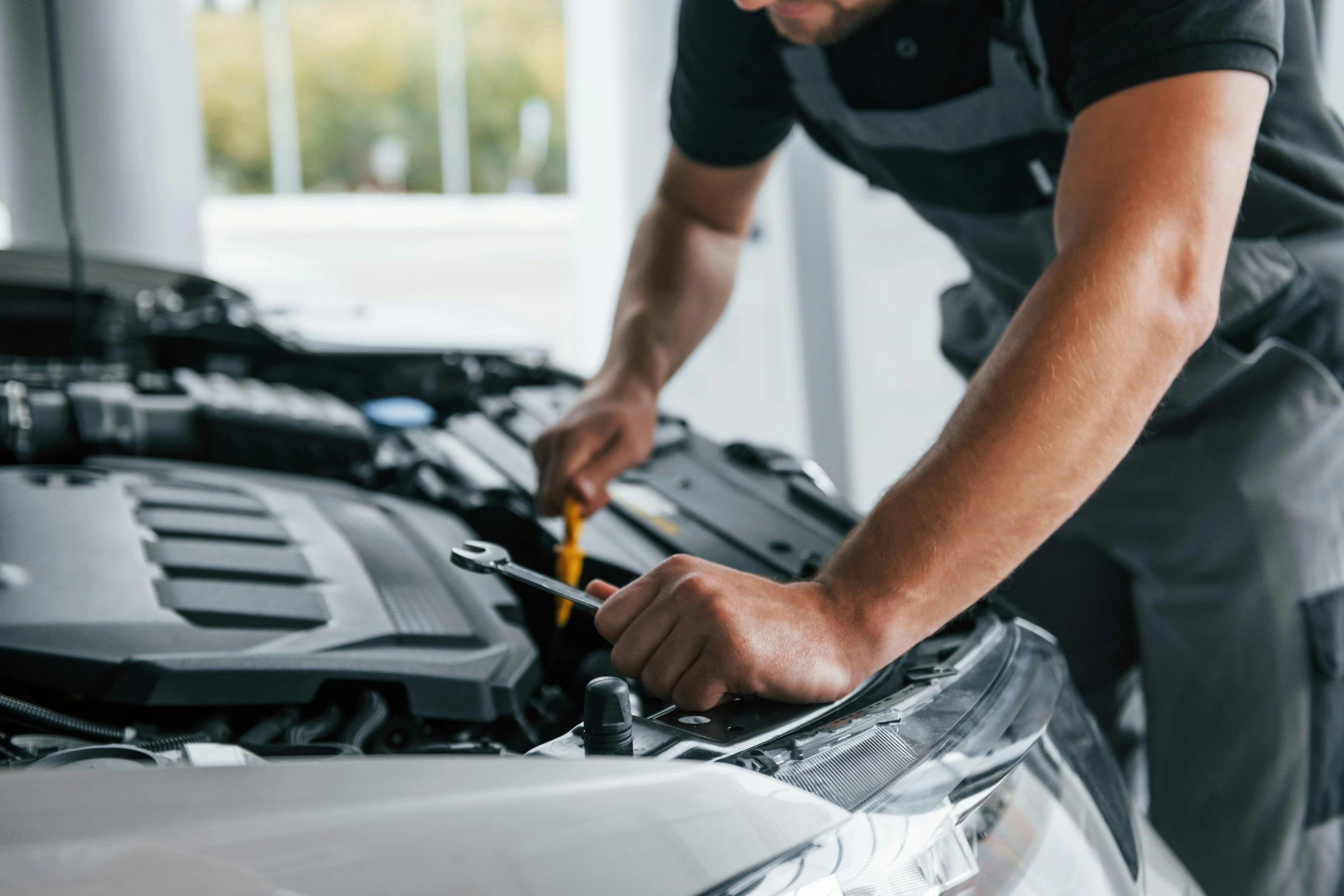
The average car on American roads right now is a ripe 13 years old. That is not because everyone suddenly fell in love with early 2010s styling. It is because new cars cost an absolute fortune, forcing drivers to squeeze every single mile out of their existing rides. Normally, this would be a massive victory for independent repair shops and backyard mechanics. Around 75 percent of all out-of-warranty work happens away from the corporate dealership service bay. But there is a massive catch. Turning a rusty bolt or swapping a brake pad is no longer the hardest part of working on a car. The real work is convincing the car computer to let you do it.
Welcome to the modern era of automotive maintenance, where a simple component swap requires a computer science degree. Automakers have increasingly turned modern vehicles into rolling smartphones, wrapping basic mechanical parts in layers of digital code. Through a process known as parts pairing, even a simple headlight replacement or side mirror swap can trigger a digital rejection code if the new part is not officially blessed by the factory computer network. If you do not have the specialized, expensive software tool to tell the main computer that the new part is friendly, your car might just refuse to recognize it.
This digital gatekeeping has triggered a massive, high-stakes legislative brawl in Washington. For months, independent repair groups have been pushing for the federal REPAIR Act, a piece of bipartisan legislation meant to force automakers to share their diagnostic keys. But the legal process just hit a major snag. The House Energy and Commerce Committee recently advanced a vehicle modernization package that swallowed the REPAIR Act whole and spit out a heavily watered-down version. Instead of forcing car companies to hand over access to modern wireless telematics data, the revised bill merely codifies a voluntary industry agreement from 2014.
To put that in perspective, a 2014 agreement was written back when the Tesla Model S was still a novelty and most dashboards featured basic physical buttons instead of giant touchscreens. Unsurprisingly, the original sponsor of the REPAIR Act, Representative Neal Dunn, is openly frustrated. He publicly stated that the watered-down version fails to properly protect consumers or independent garages because it completely ignores the wireless data networks that modern vehicles use to send diagnostic health reports straight back to corporate headquarters. If a local shop cannot see that data, they are essentially flying blind.
While Congress plays political hot potato with the legislation, the executive branch decided to execute a surprise tactical maneuver. Late last month, the White House issued a formal Freedom to Fix presidential memorandum aimed at cutting through corporate red tape. Following that directive, the Environmental Protection Agency just rolled out strict new guidelines. The EPA clarified that under the Clean Air Act, automakers are legally required to give independent shops and regular drivers the exact same emissions repair info and diagnostic tools they give to franchised dealers. This is a huge win for anyone trying to fix a stubborn diesel exhaust fluid system or an emissions sensor without getting slapped with civil penalties.
Automakers are playing a careful defensive game here. Represented by the Alliance for Automotive Innovation, manufacturers claim they fully support a consumer right to repair. They argue that they already share the necessary diagnostic codes and physical tools with outside shops. Their primary hesitation comes down to cybersecurity and proprietary intellectual property. From their viewpoint, opening up deep, wireless access to a vehicle data network creates a massive security vulnerability. They worry that unvetted access could allow bad actors to hack into safety-critical systems or allow overseas competitors to copy expensive engineering designs.
For regular people just trying to navigate this incredibly complex used car landscape, the digital divide makes buying a pre-owned vehicle feel like playing Russian roulette. If you want to avoid taking a massive financial gamble, shopping smart is the only real defense. Platforms like OptiCar offer a nationwide marketplace to browse millions of vehicles safely. To take the guesswork out of the equation, OptiCar Reports provides a thorough vehicle history and a clever AI visual inspection that highlights body damage and calculates estimated repair costs.
The fight for your toolbox is far from over. While the federal government tries to figure out how to handle the data dilemma, individual states are taking matters into their own hands. New right to repair laws are taking effect in Connecticut and Texas right now, creating a dizzying, state-by-state patchwork of compliance rules that manufacturers have to follow. As cars continue to morph into computers on wheels, the industry will have to find a reasonable middle ground. Drivers deserve the right to fix the things they actually own, and local mechanics deserve to keep turning wrenches without getting locked out by a software firewall.