Honda's Hybrid Renaissance Proves Everyone Else Rushed Into EVs Too Fast
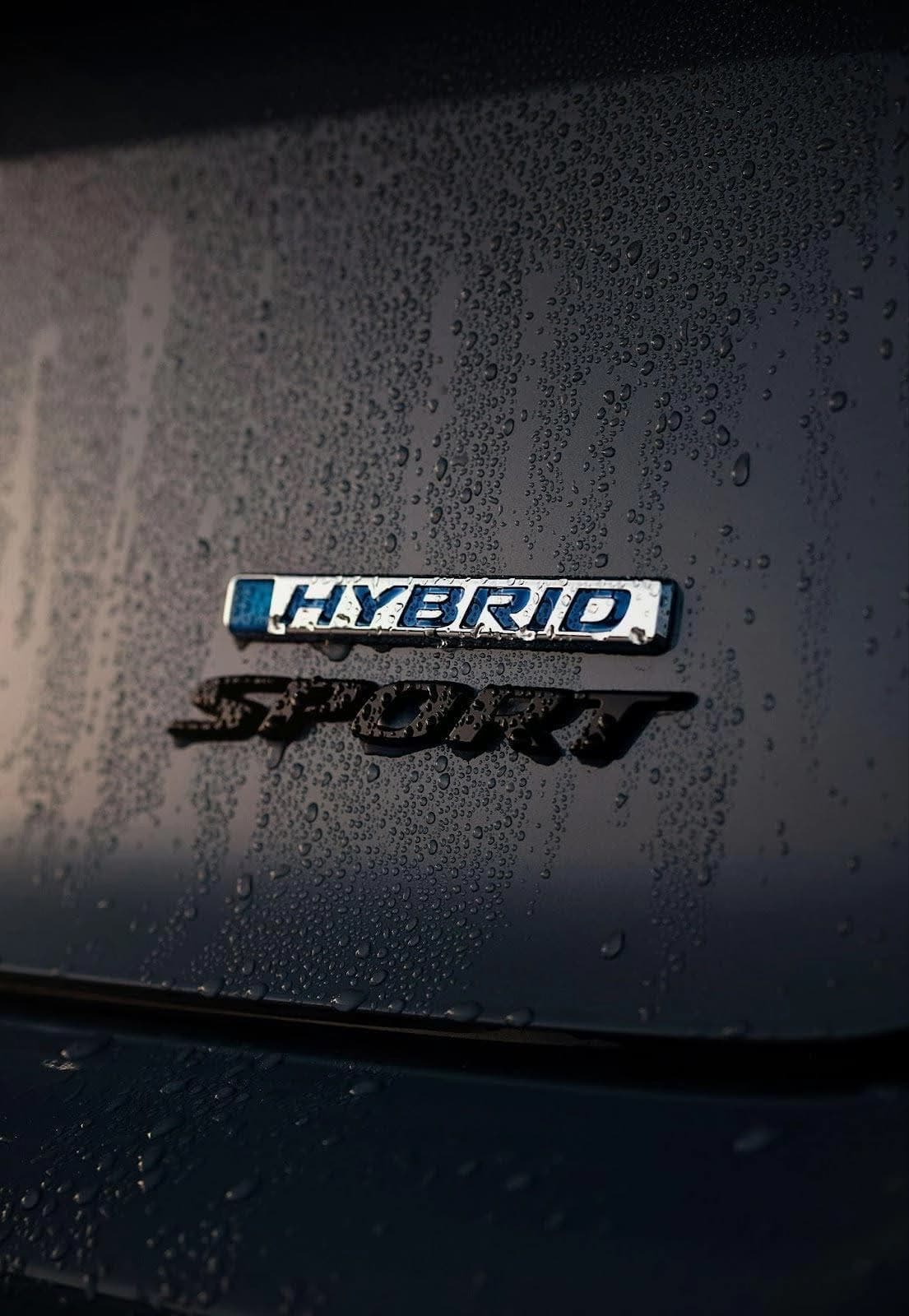
Honda held an Automotive Technology Workshop in Tokyo on October 29th that should've been titled "We Told You So: The Presentation." While practically every major automaker spends 2025 frantically backpedaling from EV-only strategies, Honda calmly revealed a comprehensive lineup of next-generation hybrid technology alongside a delightfully quirky compact EV that actually seems designed for real human beings rather than spec-sheet bragging rights.
The star of the show was Honda's next-generation mid-size hybrid platform launching in 2027, which manages to be 90 kilograms lighter than the current setup while improving fuel economy by 10 percent and maintaining the "joy of driving" that Honda won't shut up about but actually delivers. They're targeting a 50 percent cost reduction versus their 2018 hybrid system through the unsexy magic of parts commonalization (60 percent shared components) and supplier collaboration. This is the stuff that actually matters when you're trying to make money selling cars.
Even better, Honda's developing a new V6 hybrid system specifically for large North American vehicles like the Pilot, Odyssey, and Ridgeline that promises 30 percent better fuel economy and 10 percent quicker acceleration than comparable gasoline models. That's the sweet spot American buyers actually want: better efficiency without sacrificing the power and towing capacity that make large SUVs and trucks useful. Revolutionary? No. Commercially smart? Absolutely.
Then there's the Super-ONE prototype, a compact EV based on Honda's kei-car platform that comes with a "Boost Mode" featuring simulated seven-speed gearshifts, artificial engine sounds, and styling that looks like someone hit a rally car with a shrink ray. It's gloriously weird and completely honest about what it is: a fun, affordable EV for markets where compact cars make sense (Japan, UK, Asia) rather than a half-hearted attempt to sell tiny EVs to Americans who demonstrably don't want them. The Super-ONE isn't coming to the U.S., and that's fine because Honda actually understands their markets.
What makes Honda's strategy so refreshing is the complete absence of bullshit. CEO Toshihiro Mibe already announced in May that they're scaling back their 2030 EV targets from 30 percent global sales to "below 30 percent" while ramping up hybrid production to 2.2 million units annually. They cut $3 trillion yen from their EV investment budget. They openly acknowledge that "uncertainty in the business environment is increasing" due to slower EV adoption and policy changes. It's a level of candor you rarely hear from automotive executives who usually prefer vague corporate-speak about "adjusting timelines to match customer demand."
Compare this to General Motors abandoning their one-million-EV production target, Ford ditching their 2030 all-electric goal in Europe, Mercedes slashing their EV ambitions from 100 percent to 50 percent by 2030, and Volkswagen writing off billions in cancelled EV projects. Honda's approach of maintaining a diversified powertrain strategy, heavily weighted toward hybrids during the transition period, increasingly looks like the only sane path forward.
The technology itself is impressive in practical ways rather than headline-grabbing ways. The robotics-derived Motion Management System for improved vehicle control, the modular architecture enabling efficient development of 13 hybrid models by 2030, the integration of ADAS technology across both hybrid and EV platforms—this is engineering competence applied to realistic market demands rather than aspirational vaporware.
Honda's hybrid-first strategy also aligns perfectly with what customers are actually buying. Their Civic Hybrid saw 659 percent year-over-year growth in October, while CR-V Hybrid sales climbed 12.7 percent. These are vehicles people want now, generating profit that funds long-term EV development rather than burning cash on electric vehicles nobody's buying at profitable margins.
The really smart move is how Honda's positioning hybrids as transitional products without claiming they're the forever solution. They're not abandoning EVs or pretending internal combustion will last forever. They're just being realistic about timelines and letting market demand dictate production rather than trying to force-feed customers a technology that's not quite ready for mass adoption at affordable prices. Novel concept.