Hell Freezes Over: Subaru Dethrones Toyota in Reliability Rankings
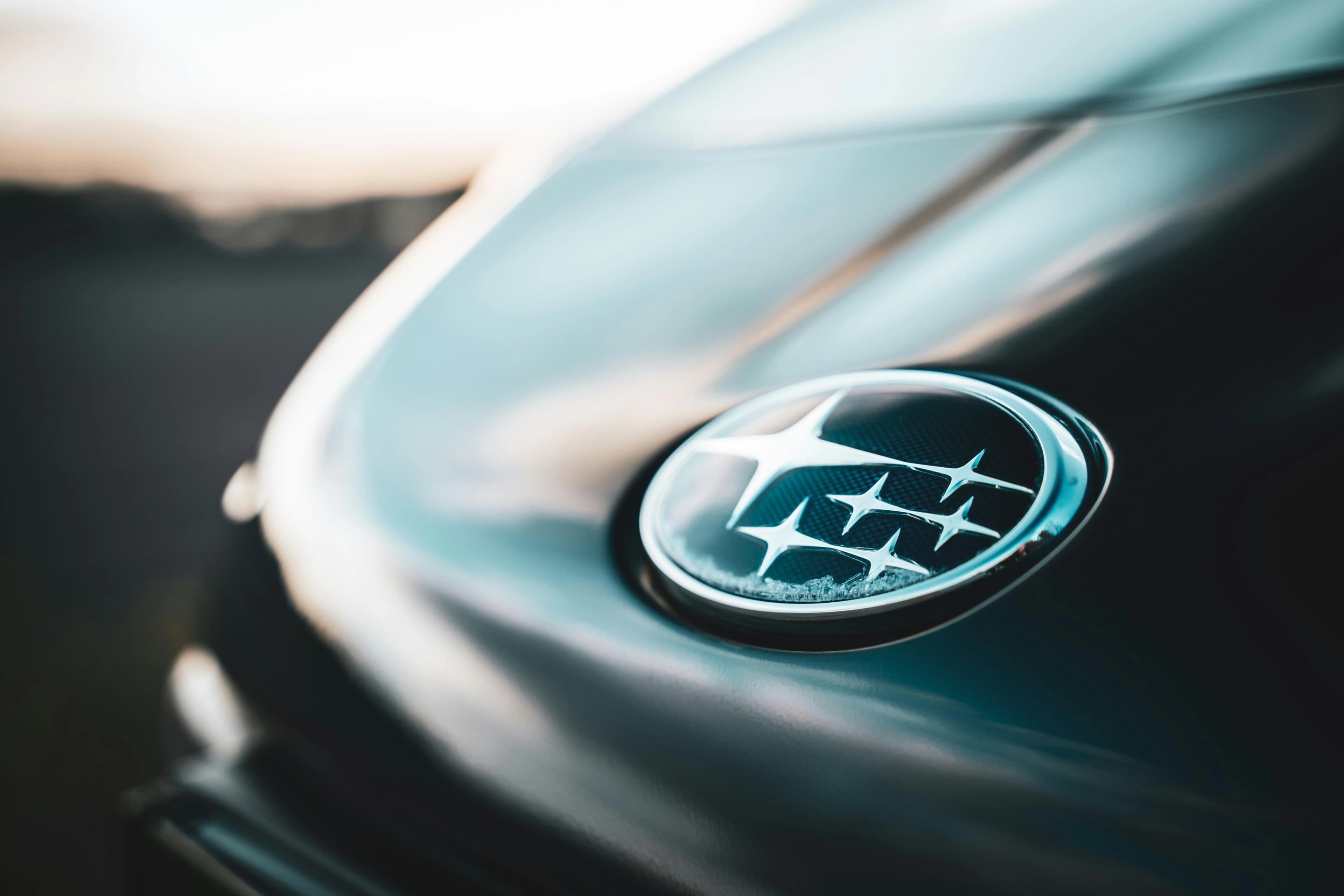
Stop me if you’ve heard this one before: "If you want a car that runs forever, buy a Toyota." It’s been the golden rule of automotive advice for thirty years. It’s the safe bet. It’s the boring bet. It’s the advice you give your non-car friends so they don't blame you when their Jeep breaks down three months later. Well, throw out the rulebook, because Consumer Reports just dropped their 2025 Reliability Rankings, and there is a new king in town: Subaru.
Yes, the company best known for Golden Retrievers and head gasket jokes is now statistically the most reliable automaker in America. Toyota has slipped to third place, behind Subaru and Lexus. This is an earthquake in the data world, a shifting of the tectonic plates of automotive reputation.
How did this happen? Did Subaru suddenly invent an invincible engine made of adamantium? No. They won by doing absolutely nothing. While the rest of the industry, including Toyota, has been frantically downsizing engines, adding complex hybrid systems, dual-clutch transmissions, and replacing physical buttons with glitchy touchscreens, Subaru has just kept building the same car they’ve been building for a decade. Their philosophy of "incrementalism"—slowly refining the same naturally aspirated boxer engines and CVT transmissions year after year—has paid off. They have ironed out the bugs while everyone else is introducing new ones.
Toyota, on the other hand, is currently tripping over its own ambition. The fall from grace is largely due to the new Tundra and Tacoma. The Tundra’s twin-turbo V6 has been plagued by catastrophic bearing failures (leading to a massive engine replacement recall that is costing them a fortune and a lot of goodwill), and the new Tacoma has had transmission gremlins right out of the gate. Toyota replaced their unkillable naturally aspirated V8s with complex, high-stress turbos to meet emissions standards, and the reliability data is taking a hit for it. They changed too much, too fast, and the legendary Toyota Quality Control blinked.
The report highlights a fascinating trend in 2025: "New" is bad. Almost every brand that launched a major new platform saw their reliability scores tank. Meanwhile, brands with "old" fleets are climbing the charts. Even BMW has shot up the rankings, largely because the B58 inline-six engine is now old enough that they’ve fixed everything wrong with it. It’s a weird world where a BMW might be a safer bet than a Toyota truck, but the data doesn't lie.
Crucially, the one "bad" car in Subaru’s lineup—the Solterra EV—is ironically a rebadged Toyota bZ4X. That’s right: the only unreliable Subaru is the one Toyota built for them. That statistic alone is enough to make a Subaru marketing executive weep with joy. The Forester, Crosstrek, and Outback are all scoring near-perfect marks because they are essentially 10-year-old technology refined to perfection.
There is a lesson here for the industry. Consumers say they want tech, screens, and efficiency. But what they actually want is a car that starts. Subaru, often criticized for being behind the curve on tech and powertrains, is proving that being "boring" is a feature, not a bug. They aren't trying to reinvent the wheel; they are just trying to keep the wheel attached to the car.
For the car shopper, this changes the script. If you want cutting-edge tech and 300 horsepower from a 1.2-liter engine, go ahead and roll the dice. But if you want a car that will start every morning for the next 15 years, the answer isn't a Tacoma anymore. It’s a Forester. Just make sure you check the oil. Old habits die hard, and it is still a boxer engine, after all.