GM’s V8 Oil Fix Is Under the Microscope
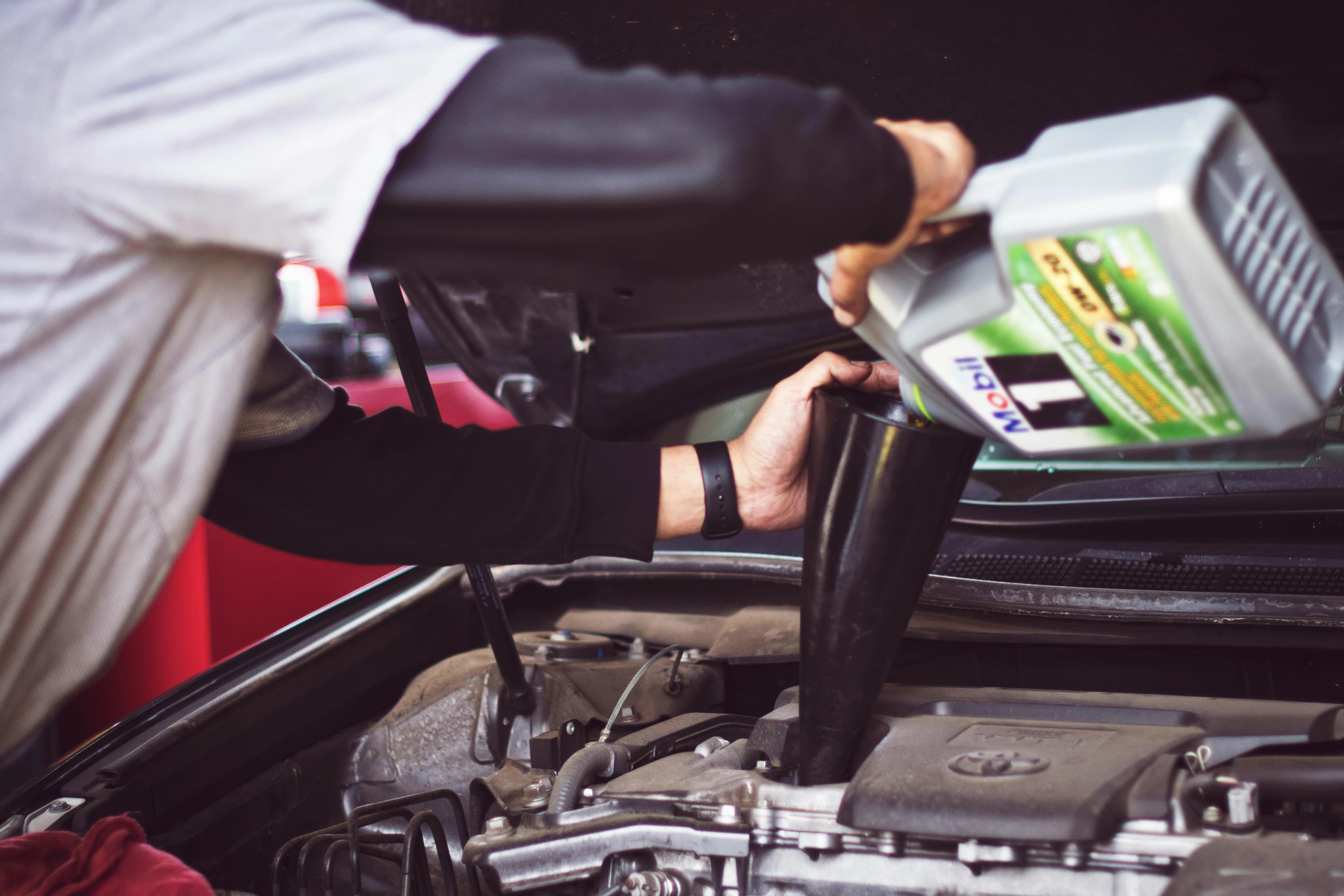
General Motors is currently learning a very expensive lesson in fluid dynamics and public relations. For the last year, the National Highway Traffic Safety Administration has been circling the 6.2L L87 V8 engine found in the Silverado, Sierra, and GM’s fleet of massive SUVs. After nearly 30,000 field complaints and a recall affecting some 600,000 vehicles, the feds have opened a new investigation to see if GM’s proposed fix is actually doing anything other than buying time. The controversy centers on a simple but divisive instruction sent to dealers: if the engine isn’t already making a sound like a bag of hammers in a dryer, just change the oil to a thicker 0W-40 blend and send the customer on their way.
The problem, according to a growing chorus of engineers and angry owners, is that you cannot lubricate your way out of a manufacturing defect. The original investigation pointed to faulty crankshafts and connecting rod bearings that were prone to sudden, catastrophic seizure. GM’s shift from the factory-spec 0W-20 oil to a thicker 0W-40 is intended to provide a more robust film of protection, but critics argue this is a temporary mask for a deep-seated structural issue. Owners on forums are reporting that even after receiving the recall work and the new oil cap, their $80,000 trucks are still suffering from the dreaded low-mileage tick that precedes a total engine meltdown. In some cases, owners who received entirely new replacement engines are reporting the same failures just a few thousand miles later, leading to a Recall Query known as RQ26001.
The situation took another turn this week as GM issued new service bulletins changing the specific type of 0W-40 dealers should use. While GM maintains that these updates are about optimizing protection under high-load scenarios, the NHTSA is busy looking at data from vehicles that failed even after the recall was performed. For a company that has spent decades building its brand on the reliability of the small-block V8, this is a particularly painful headache. The investigation now covers nearly one million engines from the 2021 through 2024 model years, and reports are starting to trickle in for 2025 and 2026 models as well. The loss of motive power at highway speeds is the primary safety concern, and the agency is not taking the band-aid approach lightly.
If you are currently holding the keys to a 6.2L Silverado or Yukon and every strange noise from under the hood sends a shiver down your spine, you might want to use Price360 before you think about a trade-in. While it can’t see the internal bearings of your V8, its AI-powered inspection and comprehensive history reports can help you document the condition of the rest of your vehicle, giving you a clearer picture of your car’s value before the market decides how much of a hit these model years are going to take. It’s always better to have a full report in hand when dealing with a dealership, especially when the vehicle in question has a giant question mark hanging over its engine block.