GM Previews Next-Gen Ultium Software: A Turning Point?
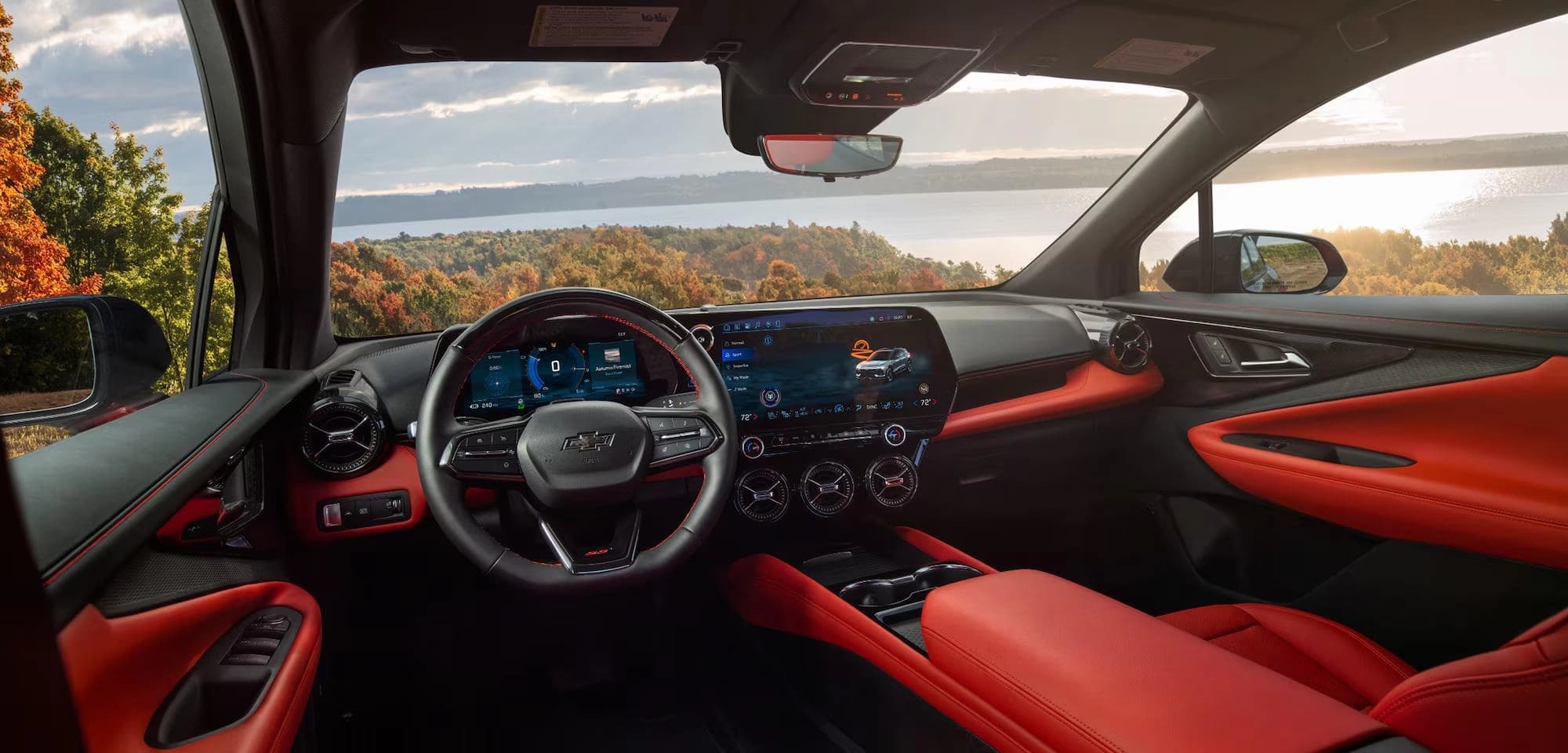
Image Courtesy of GM
If you’ve been following the rollout of GM’s Ultium-based EVs—like the Chevrolet Blazer EV, Equinox EV, or the Cadillac Lyriq—you know the hardware is world-class. The driving dynamics are excellent, the range is competitive, and the design turns heads. But early adopters have been vocal about the software experience, noting everything from infotainment lag to charging handshakes that didn’t always shake hands. It was a classic case of "great car, beta software."
The good news? GM isn't burying its head in the sand. They are listening, and they are moving fast to make things right.
This week, reports surfaced that GM is preparing a comprehensive, next-generation over-the-air (OTA) software update for its entire Ultium fleet. This isn't just a quick patch to change the color of the icons; it appears to be a significant refinement of the vehicle's core operating system, often referred to internally in service bulletins as "Vehicle Wide Programming" (VWP).
Early feedback from beta testers and dealer chatter suggests this update is the "real deal," addressing the specific pain points that owners have flagged on forums and Reddit threads for months. Key improvements include a much snappier infotainment interface—gone is the lag when switching between maps and music—and faster app loading times.
But the most critical update is under the hood, so to speak. GM’s engineers have reportedly rewritten the communication protocols for public charging. One of the most common frustrations for EV owners (of any brand, frankly) is plugging into a generic fast charger and getting a "Communication Error." The new software is designed to be more "tolerant" of finicky public chargers, ensuring a successful charge session starts on the first try. This is the kind of unsexy, back-end coding that transforms the ownership experience from stressful to seamless.
They are also adding some quality-of-life features that owners have been begging for. We’re hearing about a "Turn Signal Activated View" for blind spots (similar to what Hyundai/Kia offer), improved trailer camera functions for the truck owners, and a suite of "Pass Time While Parked" apps like Prime Video and YouTube, so you can actually be entertained while charging.
What’s impressive here is GM’s responsiveness and the scale of their pivot. After some initial stumbling blocks, the company has reorganized its software division, bringing in top-tier talent from the tech sector—including former Apple executives—to lead the charge. They are finally treating the car not just as a machine, but as a dynamic platform that improves over time.
For owners, this update promises to unlock the full potential of their vehicles. It’s a move that mirrors the "continuous improvement" model we see in our smartphones. Instead of waiting for the next model year to get a better experience, current owners get an upgrade for free in their driveway.
This rollout is a critical, confidence-building step for GM. By addressing the software teething pains head-on and delivering a robust solution, they are demonstrating a serious commitment to their EV customers. If this update lands as well as early reports suggest, the Blazer and Lyriq are poised to go from "great cars with some quirks" to simply "great cars," period. And for GM, that is exactly the win they need right now.