GM Investigates Brake Vacuum Failure Reports on 2024–2026 SUVs, Preparing a Potential Safety Recall
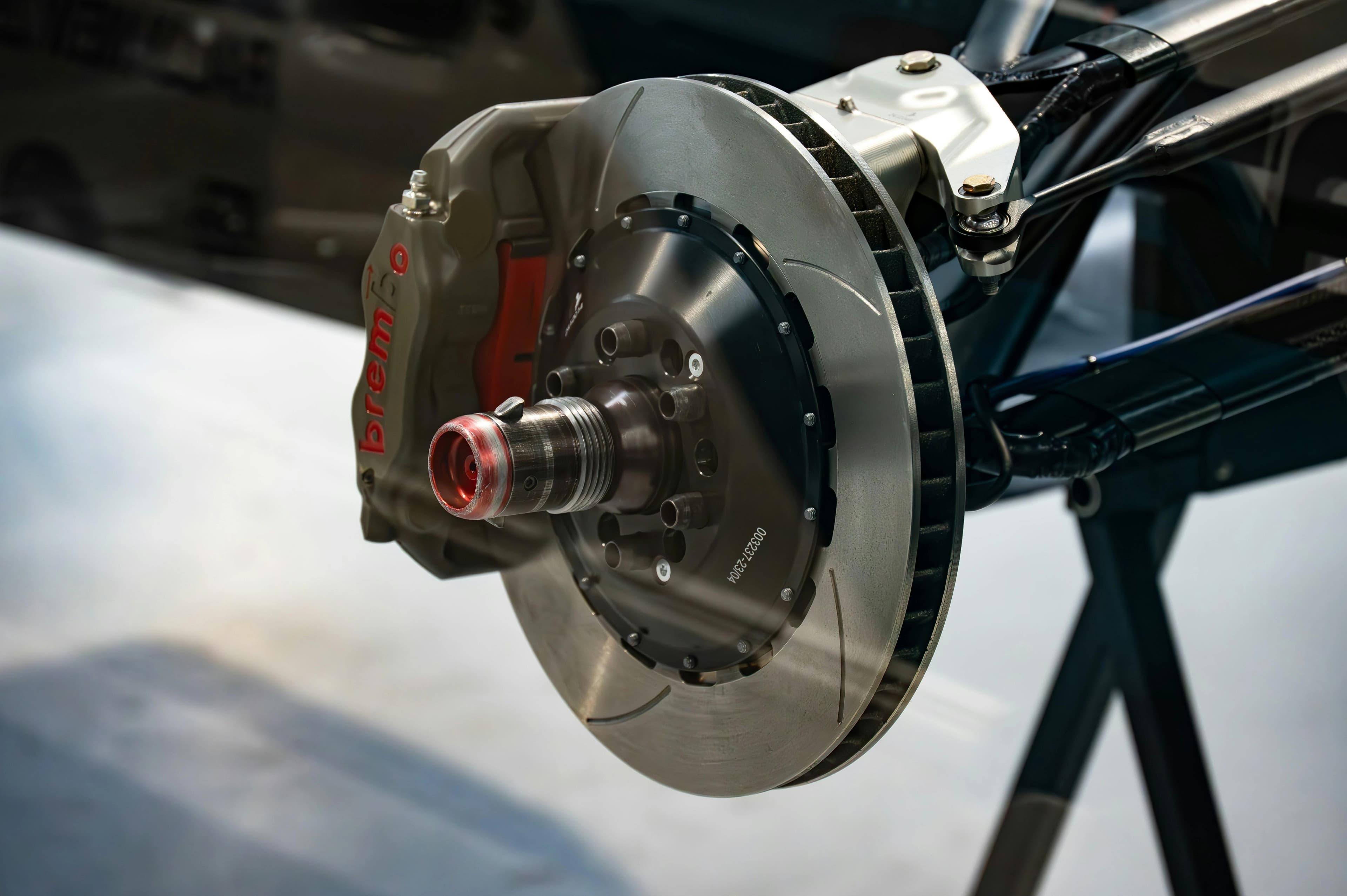
There are certain things you want to be exciting in a car: the acceleration, the sound system, the way it looks in a sunset. The brakes? You want those to be as boring and predictable as a Tuesday afternoon. Unfortunately for General Motors, the braking systems on some of their most popular full-size SUVs are currently being a little too “exciting” for comfort.
GM has launched an internal investigation following a spike in reports regarding intermittent brake vacuum assist failure on 2024–2026 Tahoe, Suburban, Yukon, and Escalade models. If you drive one of these land yachts, you know that stopping 6,000 pounds of American steel requires some serious hydraulic assistance. When that assist goes away, the pedal gets hard, your heart rate goes up, and you suddenly need the leg strength of an Olympic cyclist to bring the vehicle to a halt.
Now, before everyone starts panicking, let’s look at the engineering context. Modern brake boosters often rely on vacuum pumps to provide that power assist. Early diagnostics from GM point to a “possible supplier batch issue” with the vacuum pump assemblies. This is a crucial distinction. It likely isn’t a flaw in the fundamental design of the truck; it’s a manufacturing defect in a specific batch of parts from a vendor. In the complex world of automotive supply chains, where thousands of components come from all over the globe, a single bad run of seals or valves can cause a headache of massive proportions.
GM is handling this by the book. They have instructed dealers to pause deliveries on specific VIN ranges while they work with the National Highway Traffic Safety Administration (NHTSA) to figure out the scope of the problem. This “stop-sale” is a standard safety protocol, designed to ensure that no potentially affected vehicles leave the lot until they can be inspected or fixed. It’s inconvenient for buyers who were hoping to drive their new Escalade home this weekend, but it’s the responsible move.
These kinds of investigations are a reminder of just how incredibly complex modern vehicles are. We demand cars that are safer, faster, and more efficient, and that requires intricate systems working in perfect harmony. When one instrument in the orchestra goes out of tune, the whole symphony sounds off. The vacuum pump issue is scary because it affects the primary safety system of the car, but the fact that it’s being caught and investigated shows the system is working.
Recall investigations usually follow a pattern: identifying the reports, isolating the cause (the bad batch), determining the affected VINs, and then issuing the recall notice. We are currently in the "isolating and determining" phase. If you own one of these trucks, pay attention to how your pedal feels. If it starts feeling like you’re stepping on a brick, get it to the dealer.
In the meantime, let’s give the engineers some credit. They are likely pulling all-nighters right now, sifting through data and testing pumps to ensure your family hauler stops as well as it goes. It’s a tough situation for GM, but transparency and quick action are the only ways to handle it. And hey, at least they aren’t trying to tell us it’s a feature.