GM Fast-Tracks Its Software Overhaul Across More 2025 Models
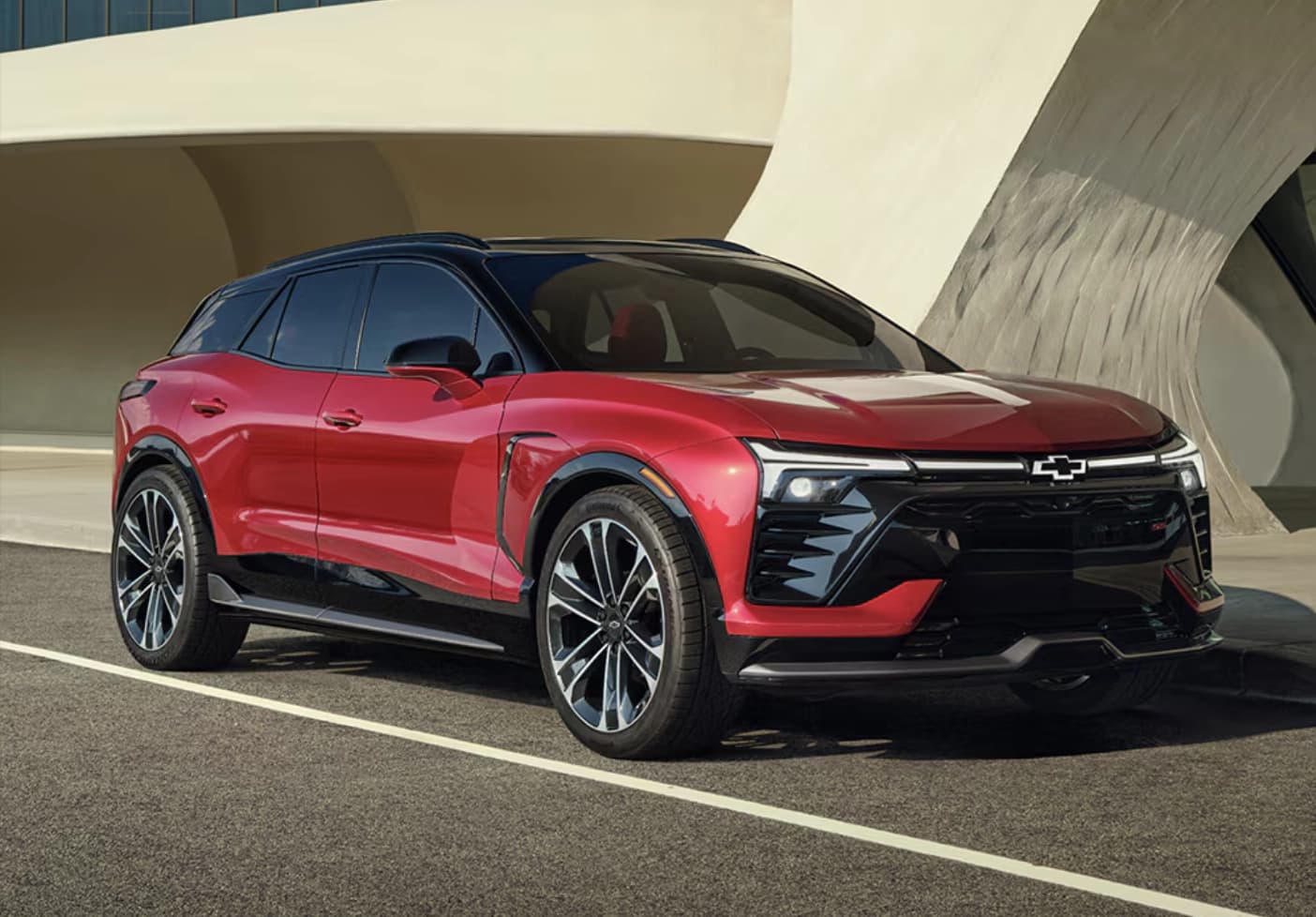
It is no secret that General Motors has had a bit of a headache regarding software lately. The "software-defined vehicle" revolution hit a few speed bumps (and stop-sale orders) last year, leading to some very public “mea culpas” regarding the Blazer EV and the Colorado. But rather than retreating to the safety of simple buttons and knobs, GM is doubling down. New supplier communications and internal program notes indicate that the General is accelerating the rollout of its unified software architecture—often referred to under the umbrella of "Ultifi"—to additional 2025 and 2026 models much faster than originally anticipated.
This isn’t just about fixing bugs; it is about a fundamental shift in how the car works. The goal is to have a single, robust digital brain that runs everything from the infotainment screen to the ADAS (Advanced Driver Assistance Systems). The notes suggest that models previously scheduled to stay on legacy architectures are getting the upgrade early. We are talking about faster infotainment response times (a critical need), more robust Over-The-Air (OTA) update capabilities, and deeper integration of features like Super Cruise.
Why the rush? Because GM knows that in 2025, software is the reliability metric. Ten years ago, we judged a car's reliability by whether the transmission exploded. Today, we judge it by whether the screen goes black or the phone pairing drops. By unifying the software stack across more models, GM simplifies its development pipeline. Instead of maintaining twelve different versions of software for twelve different cars, they can focus on making one version that actually works.
However, "fast-tracking" software is a phrase that should make any IT professional sweat. The risk here is that GM might be rushing a complex ecosystem out the door before it is fully baked. We have seen this movie before, and it usually ends with a frustrating dealership visit for a "reflash." But if they pull it off? It solves the biggest complaint about their newest EVs and ICE vehicles. It means your Tahoe or Equinox EV won’t feel like it’s running a beta version of an Android tablet from 2014.
The deeper story here is GM’s aggressive push toward "eyes-off" driving capabilities, which they are targeting for later in the decade. You cannot build an autonomous future on a shaky software foundation. This 2025 rollout is the bedrock. They are laying the digital plumbing now so that they can sell you subscription-based self-driving features later.
For the consumer, this is cautiously good news. It signals that GM is listening to the criticism and investing heavily to fix it. But it also changes the ownership experience. You aren't just buying a car anymore; you are buying into an operating system. And like any OS update, you probably want to wait for version 2.0 before you install it on your primary device. If you are looking at a 2025 GM vehicle, ask the dealer about the software architecture. If they give you a blank stare, do your own research. You want the car that is ready for the future, not the one stuck in the past.