GM Confirms It's Phasing Out Apple CarPlay Across All New Vehicles as Software Revenue Strategy Takes Priority
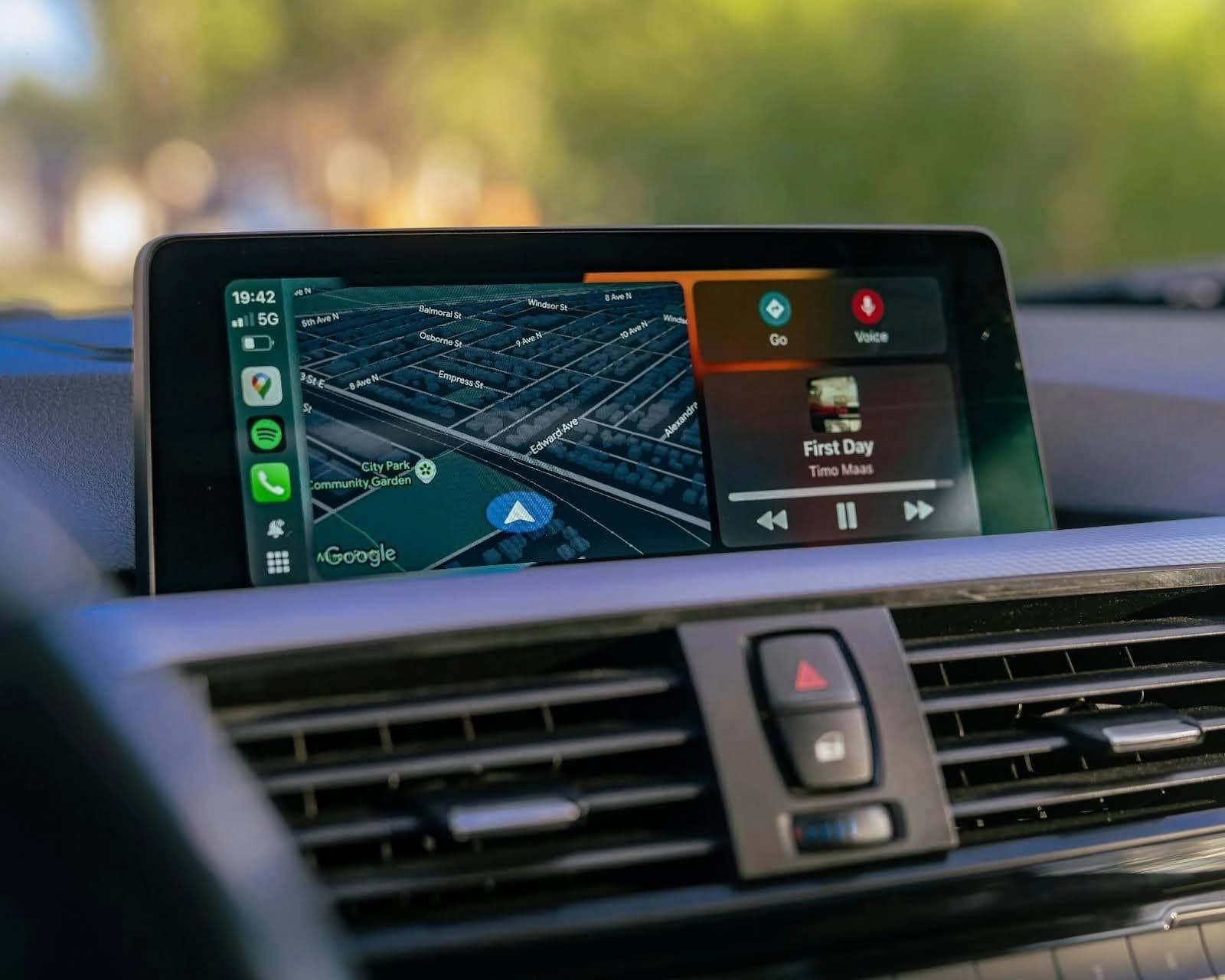
GM CEO Mary Barra appeared on The Verge's Decoder podcast on October 22nd and confirmed what many had anticipated: General Motors is removing Apple CarPlay and Android Auto from ALL vehicles, not just electric ones. When asked directly if new gas cars would lack smartphone projection, Barra responded: "As we get to a major rollout, I think that's the right expectation. Yes." It's a bold move considering industry surveys consistently show around 88% of customers consider CarPlay availability a significant purchase factor—raising questions about whether GM's $25 per month alternative can win them over.
GM's official justification centers on user experience concerns, with the company noting that customers found it "very clunky" switching between CarPlay and native systems. The automaker wants "seamless integration" between navigation, charging infrastructure, and Super Cruise. It's an understandable goal from an engineering perspective, though critics point out that offering both systems and letting customers choose would address the same concern. The challenge GM faces is overcoming early software hiccups—the 2024 Blazer EV launched with well-documented issues including reboot loops, frozen screens, and GPS failures that the company has been working to resolve.
The business rationale is straightforward: software represents a massive growth opportunity. GM recognized $2 billion in software and services revenue through Q3 2025, with deferred revenue ballooning to $5 billion—a 90% surge year-over-year. The company has eleven million global OnStar subscribers. Super Cruise costs $2,500 upfront plus $25 per month after three years. Full infotainment features cost $24.99 monthly through OnStar. GM targets $20-25 billion annually in software revenue by 2030, and controlling the in-vehicle experience is central to that strategy. CarPlay, by routing users through Apple's ecosystem, limits the data and engagement GM can capture.
What does GM offer instead? Currently, it's Google Built-In running Android Automotive with Google Maps, Google Assistant, and a growing app selection including Spotify and YouTube Music—though each app requires individual sign-in. Coming in 2026 is Google Gemini AI Assistant. The trade-off for iPhone users is notable: they'll lose native access to Apple Music, Apple Maps, Apple Podcasts, Messages, and Phone apps, relying instead on Android alternatives with different functionality. Whether the integrated experience GM promises justifies this shift—at $25 per month—remains the central question.
The data on consumer preferences presents a significant hurdle for GM. A McKinsey survey found 45% of EV buyers deem CarPlay an "absolute requirement," with over 30% saying lack of it would prevent purchase. A GM Authority poll found 88% of respondents said no CarPlay is a dealbreaker. Apple's research shows 79% of U.S. car buyers only consider CarPlay-capable vehicles. Cars.com data shows 89% of shoppers consider smartphone integration either must-have or nice-to-have, with CarPlay ranking as the third most specified feature in searches.
Customer reaction has been vocal. Social media filled with comments like "No CarPlay, no GM," and "I purchased five new GM vehicles last year. Other than the ZR1, all my future purchases will be with other manufacturers." Tech journalist Walt Mossberg called it "a huge blunder, which puts greed over consumer choice." One GM owner reported canceling plans to trade his wife's Cadillac for a GM EV and is now considering a Ford Mustang Mach-E instead. GM will need to demonstrate compelling value to shift these sentiments.
Meanwhile, Ford CEO Jim Farley explicitly committed to keeping CarPlay, noting 70% of Ford customers in the U.S. are Apple customers. "Why would I go to an Apple customer and say, 'Good luck'? That doesn't seem very customer-centric." Toyota, Honda, Hyundai, Mazda, Volkswagen, and Stellantis are all maintaining CarPlay support. Hyundai and Kia specifically announced commitment to CarPlay Ultra, the next-generation version. GM joins Tesla and Rivian in the no-CarPlay camp, though those companies took different paths to get there—building their proprietary systems over many years before opting out of smartphone projection.
The key difference worth noting: Tesla and Rivian developed software capability for over a decade before their current approach. Tesla never offered CarPlay, giving the company twelve years to refine an excellent proprietary system. GM faces the challenge of removing a beloved feature while its replacement is still maturing. Chief Product Officer Sterling Anderson drew comparison to Steve Jobs removing the disk drive, calling it "a very Jobsian approach." The analogy drew criticism, with observers noting Jobs typically had polished replacements ready at launch—a standard GM's current software hasn't yet achieved.
Industry analysts see a range of possible outcomes, including the possibility that GM reverses course within two to three years—similar to how automakers backtracked on controversial subscription features like heated seats. The company is making a significant bet: that its integrated ecosystem will prove compelling enough to overcome deeply ingrained customer preferences for CarPlay. It's an ambitious strategy that puts GM at the center of automotive industry's software transition debate. Whether it pays off will depend entirely on execution.