General Motors Tries to De-Clutter the Electric Road Trip
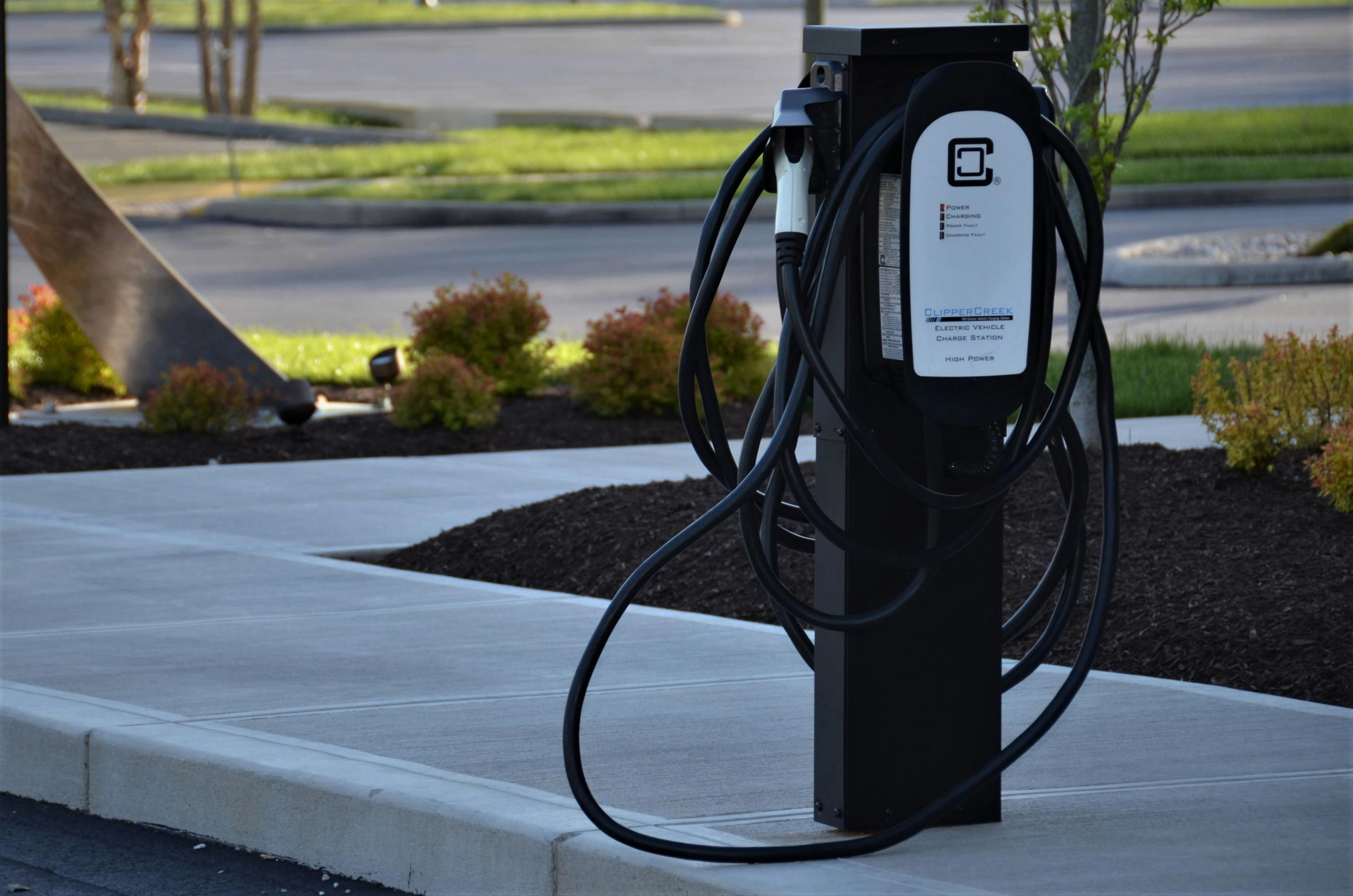
Anyone who has attempted to take a non-Tesla electric vehicle on a multi-state road trip over the last five years is intimately familiar with the sheer logistical panic that comes with public charging. The current infrastructure landscape is a highly fragmented, frustrating patchwork of competing networks. Pulling up to a charging station often involves a frantic dance of downloading new proprietary applications, setting up fresh user accounts, pre-loading digital wallets with minimum balances, and praying that the physical credit card reader on the machine has not been vandalized. It is an anxiety-inducing user experience that heavily deters mainstream consumers from embracing the electric transition. Recognizing that fixing the cars is only half the battle, General Motors has stepped up to the plate with a massive software initiative dubbed Energy Pass, designed to unify the chaotic charging ecosystem under one seamless digital umbrella.
The core philosophy behind Energy Pass is stunningly simple but incredibly complex to execute on the backend software side. General Motors has spent the better part of the last two years negotiating digital handshakes with the largest third-party charging providers across North America. By linking these disparate networks together, Energy Pass allows GM electric vehicle owners to access roughly seventy percent of the total available public fast-charging infrastructure using a single, unified account integrated directly into the infotainment system of the vehicle and the companion smartphone app.
The true magic of this system, however, lies in the implementation of widespread plug-and-charge capability. When a driver pulls up to a compatible station within the Energy Pass network, they no longer need to fumble with their phone or swipe a credit card. They simply take the heavy charging cable and plug it directly into the port on their vehicle. The car immediately communicates with the charging station via secure digital protocols, verifying the active Energy Pass account, initiating the flow of electricity, and automatically billing the credit card on file once the session is complete. It is a frictionless, stress-free operation that perfectly mimics the legendary convenience of the Tesla Supercharger network, but applies it to a much wider array of independent hardware providers.
This initiative is a massive win for General Motors, but it also highlights the profound software challenges legacy automakers face as they pivot toward becoming technology companies. Building a durable truck frame or a smooth transmission is a distinctly different engineering discipline than writing flawless code that can securely interact with thousands of remote servers operated by competing companies. GM engineers have clearly dedicated massive resources to ensuring this digital bridge is stable, recognizing that a buggy charging interface is just as damaging to the brand reputation as a mechanical breakdown on the side of the highway.
Furthermore, Energy Pass offers a significant sigh of relief for the thousands of franchised GM dealerships tasked with selling these electric vehicles to the general public. Dealership sales staff have historically struggled to explain the nuances of public charging to hesitant buyers, often losing sales because the consumer felt the infrastructure was simply too complicated to navigate on a daily basis. By offering a unified, easy-to-understand solution right out of the box, General Motors is providing their retail partners with a powerful closing tool. The pitch transforms from a complicated lecture about downloading various network apps into a simple promise that you just plug the car in and walk away.
While building physical charging stations remains a vital priority for the growth of the industry, streamlining the software interface of the stations that already exist is an equally critical endeavor. The hardware is largely useless if the consumer cannot figure out how to activate it quickly and reliably in the pouring rain or the freezing cold. General Motors has clearly recognized that the key to mass EV adoption is not just building better batteries or sleeker aerodynamic designs, but comprehensively managing the entire user journey from the moment the vehicle leaves the driveway to the moment it plugs into the grid. If Energy Pass functions as seamlessly in the real world as it does on paper, it could very well set the new gold standard for the electric vehicle ownership experience.