Gen-Z Is Saving the Manual Transmission Because Modern Cars Are Too Boring
Against every corporate projection, young buyers are ditching digital appliances for three pedals and a mechanical shift lever.
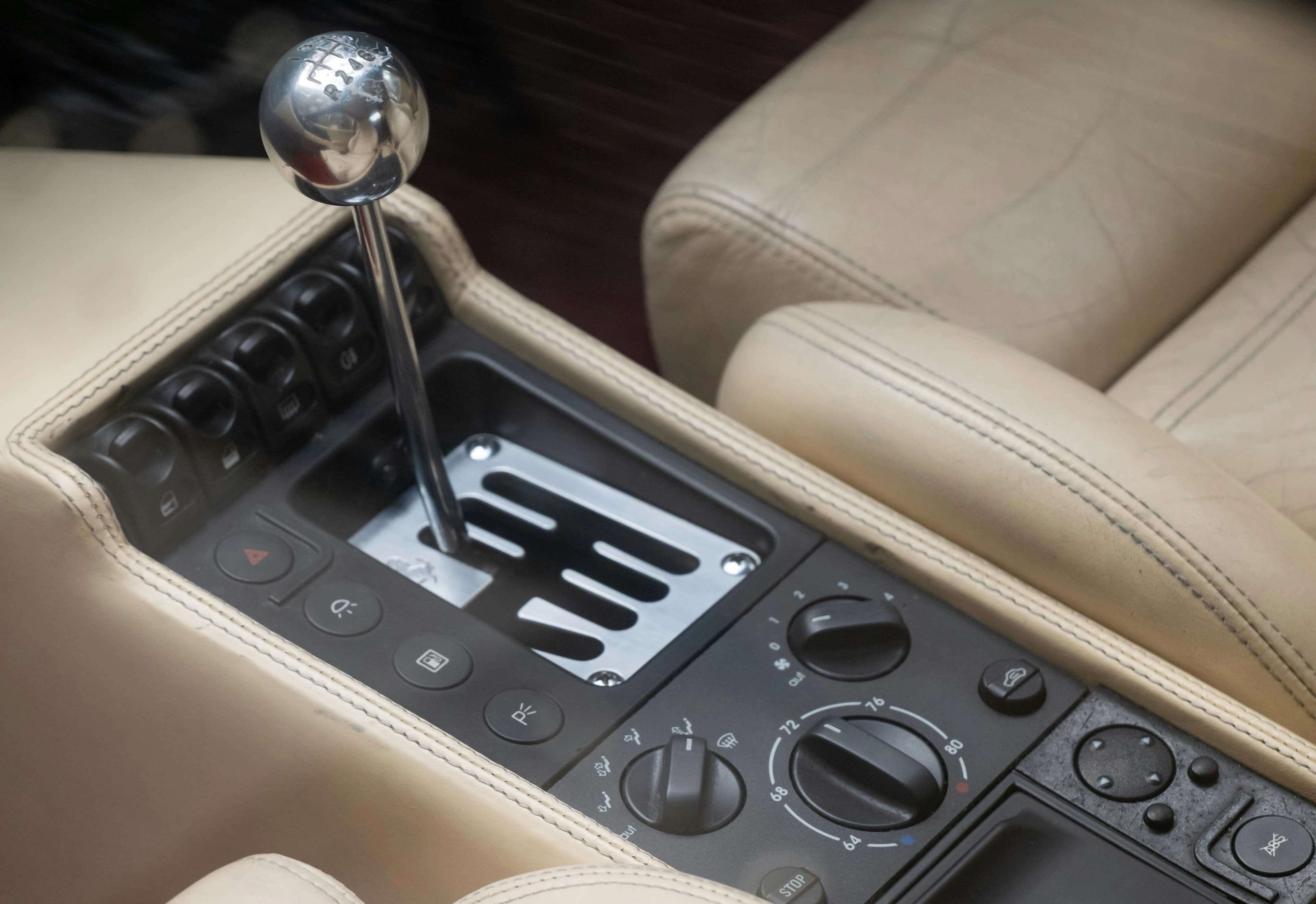
For the better part of two decades, automotive executives and industry analysts have been delivering solemn, black-ribbon eulogies for the manual transmission. We were told that nobody wanted to shift their own gears anymore, that dual-clutch automatics were faster, and that the impending electric revolution would turn the clutch pedal into a museum relic alongside crank starters and carburetor chokes. But a funny thing happened on the way to the automotive graveyard: the kids showed up, grabbed the shifter, and refused to let go. Against every corporate projection, manual transmissions are experiencing a genuine sales resurgence, and the demographic driving this three-pedal renaissance isn't graying baby boomers longing for their youth. It is Gen-Z.
Data across several major automakers shows a surprising uptick in manual transmission take-rates, particularly on sports compacts and enthusiast models. Cars like the Toyota GR Corolla, GR86, Subaru WRX, Honda Civic Si, Honda Civic Type R, Mazda MX-5 Miata, and manual-equipped Toyota Supra are seeing strong demand from buyers in their late teens and twenties. Even high-end marques like Porsche have watched manual take-rates on cars like the 911 GT3 soar past fifty percent in North America. In an era where automotive sales spreadsheets usually dictate the death of anything non-automated, young buyers are actively voting with their wallets for cars that require both feet and a right hand to operate.
To understand why young people are obsessed with stick shifts, you have to look at what modern automobiles have become. Today's average crossover is essentially a quiet, heavy, hyper-insulated rolling smartphone equipped with lane-keep assist, automatic emergency braking, drive-by-wire steering, and digital screens that span the entire dashboard. While that technology makes commuting painless, it also strips away every shred of mechanical feedback and visceral connection between driver and machine. For a generation raised entirely on touchscreens and seamless digital interfaces, operating a mechanical manual gearbox offers something genuinely novel: an immersive, tactile experience where your inputs actually matter.
There is also an undeniable cultural element at play. Learning to drive a stick shift has become a badge of honor among young car enthusiasts, amplified across social media platforms like TikTok and Instagram. Sharing videos of heel-toe downshifts, clean rev-matches, or the sheer joy of carving a canyon road in a lightweight sports car has turned manual driving into a coveted skill rather than a chore. It is analog rebellion in a digital world, much like the recent resurgence of vinyl records, film cameras, and mechanical watches. When every new vehicle promises to drive itself while monitoring your eyeballs, physically rowing through six gears feels like an act of creative expression.
Automakers are starting to realize that killing off the manual transmission might have been premature. While high-volume commuter pods will remain strictly automatic or single-speed electric, performance divisions are quietly extending the lifespan of manual options to capture this surprisingly passionate youth demographic. Even electric vehicle engineers are experimenting with simulated manual gearboxes and synthetic clutch feel to inject engagement into battery-powered platforms, though purists rightly point out that fake shifts will never replicate the mechanical click of a real gearset. As long as young drivers demand an authentic connection to the road, the three-pedal setup isn't going anywhere without a fight.
There is also an undeniable cultural element at play. Learning to drive a stick shift has become a badge of honor among young car enthusiasts, amplified across social media platforms like TikTok and Instagram. Sharing videos of heel-toe downshifts, clean rev-matches, or the sheer joy of carving a canyon road in a lightweight sports car has turned manual driving into a coveted skill rather than a chore. It is analog rebellion in a digital world, much like the recent resurgence of vinyl records, film cameras, and mechanical watches. When every new vehicle promises to drive itself while monitoring your eyeballs, physically rowing through six gears feels like an act of creative expression.
Automakers are starting to realize that killing off the manual transmission might have been premature. While high-volume commuter pods will remain strictly automatic or single-speed electric, performance divisions are quietly extending the lifespan of manual options to capture this surprisingly passionate youth demographic. Even electric vehicle engineers are experimenting with simulated manual gearboxes and synthetic clutch feel to inject engagement into battery-powered platforms, though purists rightly point out that fake shifts will never replicate the mechanical click of a real gearset. As long as young drivers demand an authentic connection to the road, the three-pedal setup isn't going anywhere without a fight.