France Tells Elon Musk That They Don't Want Self Driving On European Roads
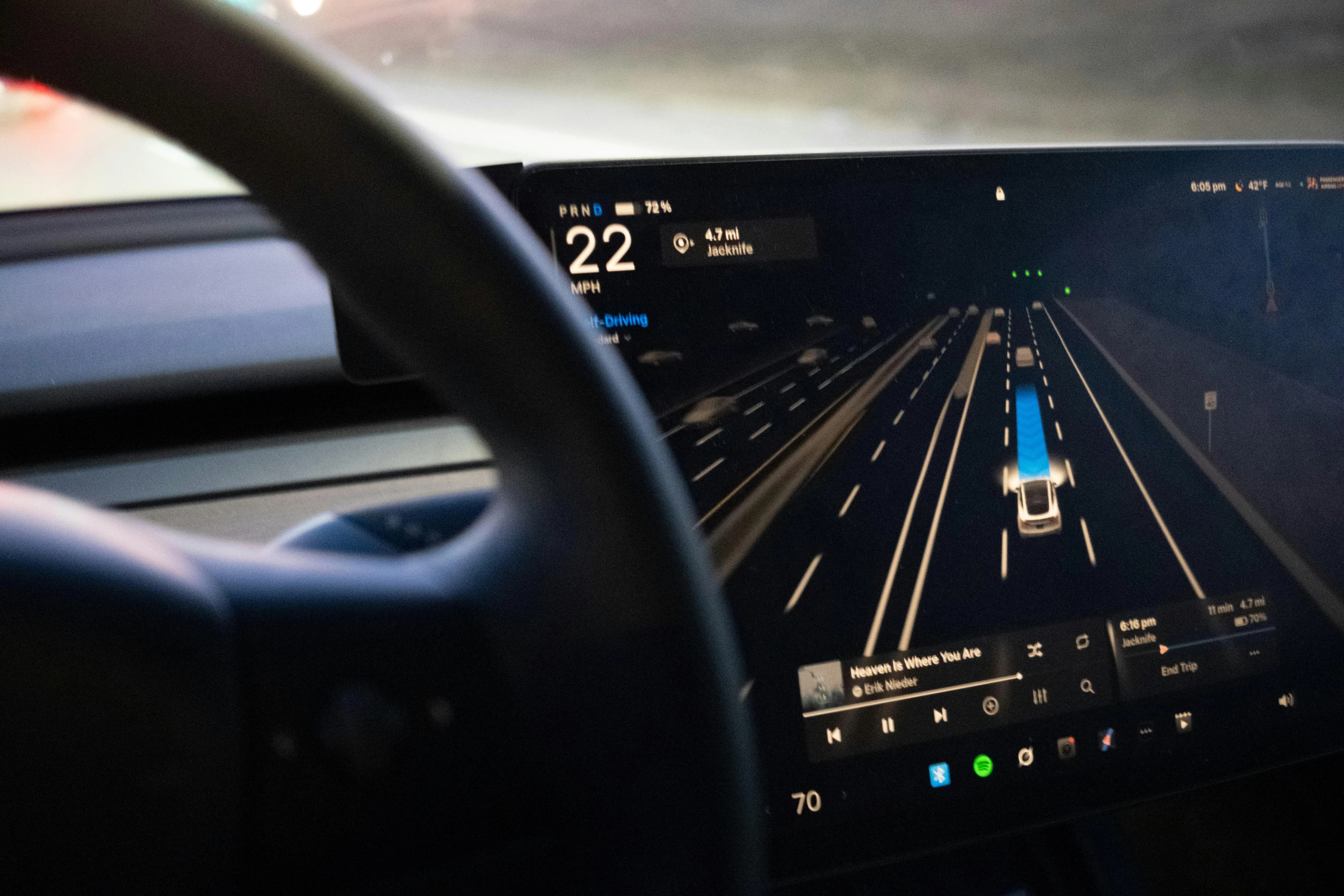
The Silicon Valley philosophy of moving fast and releasing software updates just ran headfirst into a stone wall of European regulatory oversight. French Transport Minister Philippe Tabarot announced that France will not authorize Tesla Full Self-Driving Supervised system in its current form, halting the electric automaker plans for a smooth EU-wide rollout. While Tesla has spent years refining its camera-based driver assistance technology on wide American highways, French safety regulators determined that the software still poses unacceptable safety risks on European public roads.
French officials highlighted 2 major technical stumbling blocks that prevented national authorization. The 1st issue centers on a feature known as Speed Offset, which allows the Tesla control system to adjust vehicle speed based on surrounding traffic flow rather than strict legal speed limits. In practice, this means an automated Tesla could accelerate to 70 km/h in a 50 km/h zone simply because neighboring vehicles are speeding. French regulators made it clear that software designed to intentionally violate posted speed limits cannot be certified for public road use, regardless of ambient traffic conditions or flow logic.
The 2nd major concern revolves around driver monitoring in complex urban environments. Navigating narrow French city streets, dense lane merges, and multi-lane roundabouts demands continuous human oversight. Regulators expressed alarm after discovering that a recent Tesla software update actually relaxed driver monitoring requirements, reducing alert frequencies at the exact moment complex urban driving conditions require maximum human attention. French officials argued that without robust, unyielding driver verification, the system creates a dangerous false sense of security for operators behind the wheel.
Tesla CEO Elon Musk responded forcefully to the decision on social media, claiming that delaying FSD approval in France will cost human lives. Musk pointed to internal corporate telemetry showing that Tesla vehicles running supervised software experienced 3.5 times fewer collisions over 16.6 million kilometers compared to average human drivers. However, French authorities remained unmoved by American statistical aggregates, emphasizing that high-speed highway data from California does not translate to navigating a chaotic 5-way roundabout in downtown Paris where right-of-way rules require instant human judgment.
This setback comes at a delicate financial moment for Tesla, which has been banking heavily on expanding its high-margin software subscriptions into European and Asian markets. In North America, FSD Supervised serves as a major differentiator, but European regulators take a far stricter approach to automated vehicle classification. While traditional European luxury automakers like Mercedes-Benz have pursued localized Level 3 approvals using expensive radar and LiDAR sensors, Tesla relies exclusively on vision-based cameras. That camera-only hardware approach faces intense scrutiny from safety agencies across the continent. Sweden previously raised similar objections regarding the Speed Offset function, warning that software permitting vehicles to exceed legal limits sets a dangerous precedent.
The refusal puts France at direct odds with a handful of smaller European nations, including the Netherlands and Belgium, which had previously granted localized trial approvals for the technology. Rather than allowing a fragmented patchwork of national permissions, France is pushing for a unified European testing framework with standardized evaluation protocols. French ministry officials traveled to Dutch testing facilities to review raw sensor data, setting up technical working groups to establish rigorous safety criteria that every automaker must meet before receiving broad European Commission clearance.
This regulatory showdown illustrates the fundamental tension between rapid Silicon Valley software deployment and traditional European automotive safety oversight. American tech companies often favor iterative real-world testing with human supervision, whereas European regulators demand deterministic compliance with explicit traffic codes before clearance is granted. Tesla may eventually agree to disable the Speed Offset feature and tighten camera-based driver monitoring to satisfy European inspectors, but the approval process will take considerably more time and engineering adjustments than corporate headquarters anticipated.
For now, French Tesla owners will have to keep both hands firmly on the wheel, proving that even the most advanced autonomous code must respect local traffic laws. The debate highlights a broader industry shift as automated driving systems confront diverse global driving cultures, strict international safety standards, and regulators who refuse to be rushed by corporate timelines.