Ford’s Latest Recall Proves That "Park" Is More Of A Suggestion Than A Command
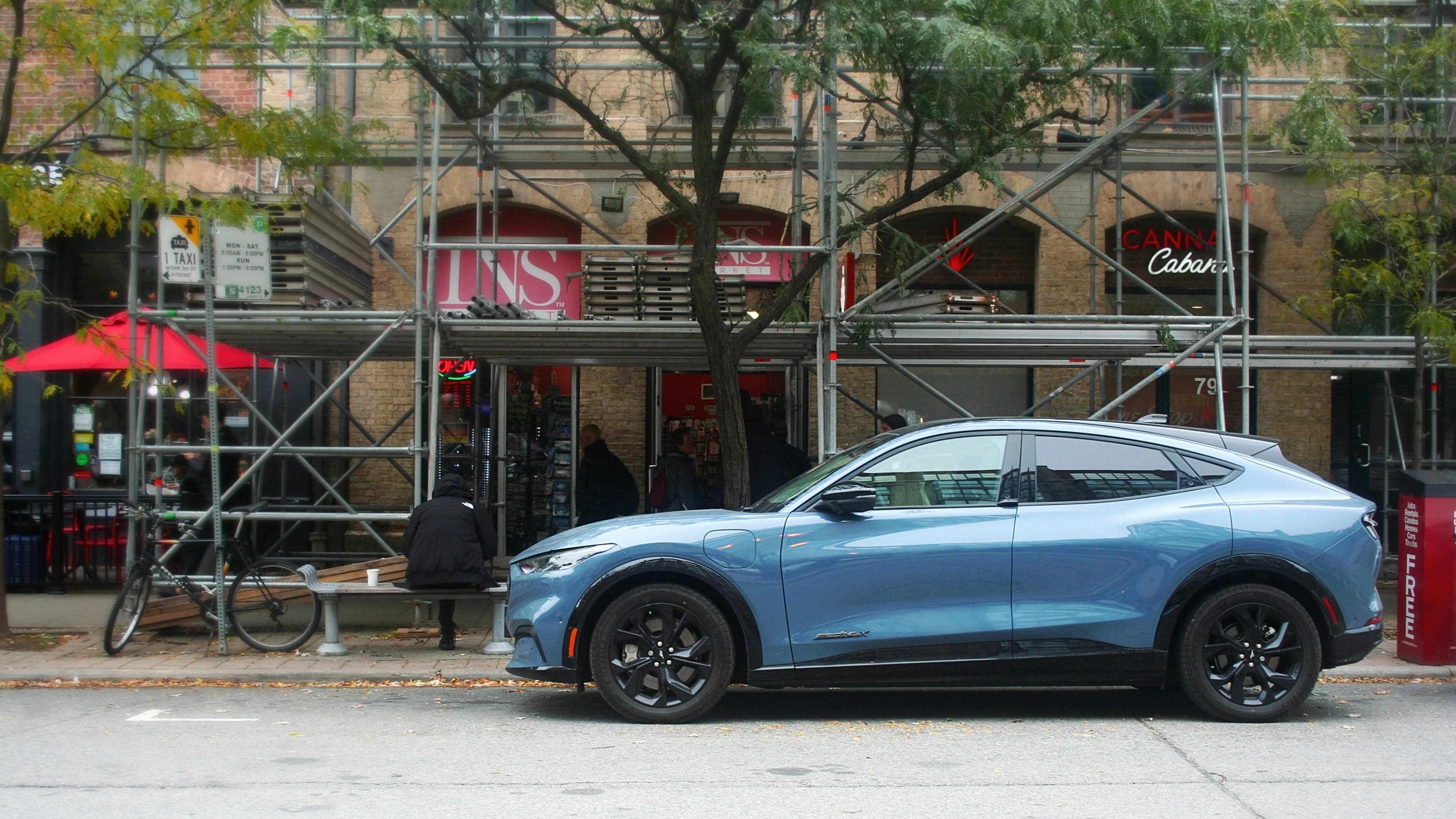
If you own a Ford F-150 Lightning, a Mustang Mach-E, or a hybrid Maverick, you might want to double-check your homeowner’s insurance policy. Ford has just issued a massive safety recall for 272,645 vehicles in the U.S. because of a "rollaway risk." In layman's terms, you might shift the gear selector to "P," but the truck’s internal hardware might respond with a "maybe later."
The issue centers on the Integrated Park Module (IPM), a sophisticated bit of kit that handles the mechanical act of locking the transmission or drive unit. According to the National Highway Traffic Safety Administration filing, a manufacturing variance led to higher-than-intended friction between the parking pawl and the slider. Essentially, the parts are supposed to slide past each other like a well-oiled ballroom dancer, but in some units, they’re acting more like two pieces of sandpaper in a heated argument. If they bind up, the parking pawl doesn't drop into place, and your shiny electric rig is free to seek its own destiny down whatever hill it happens to be perched upon.
Now, before you start chocking your wheels with overpriced firewood, Ford notes that this specific mechanical ghost has only officially appeared in about one percent of the recalled fleet. The defect was first flagged at the Cuautitlan Assembly Plant in Mexico when a brand-new Mach-E refused to engage Park during its final inspection. It’s the kind of rare gremlin that slips through validation because it requires a perfect storm of material friction and specific environmental conditions to trigger. Ford’s engineers spent months running dynamic simulations to figure out why a part that worked on paper was failing on the factory floor, and the result is this late-December headache.
The good news? We live in the future. Instead of every owner needing to spend four hours in a dealership waiting room drinking scorched coffee while a tech tears apart their drivetrain, Ford is fixing this with a software update. The "remedy" involves an update to the secondary on-board diagnostic module, which essentially tells the IPM to "try harder" (or, more technically, provides for the unbinding of the slider) if the condition is detected. It is a fascinating example of the "software-fixes-hardware" paradox that defines modern automotive engineering.
For the consumers currently looking at their 2025 Maverick Hybrid with a newfound sense of suspicion, there is one critical detail to watch: the 2.9-second rule. Ford’s system will throw a warning light if the vehicle fails to engage Park, but it only triggers if the failure persists for longer than 2.9 seconds. If you are the type of person who shifts into Park and leaps out of the truck to grab the mail in one fluid motion, you might miss the warning before the vehicle decides to take a solo trip into the bushes.
What should you actually do? First, use your electronic parking brake. Every single time. It’s an independent system and isn't affected by the IPM’s friction issues. Second, wait for the OTA update. Ford expects to have the digital patch ready and letters in the mail by early February 2026. This isn't a "park outside and wait for a tow" situation, but it is a "don't trust the gear lever blindly" situation. It is yet another chapter in CEO Jim Farley’s ongoing quest to vanquish the quality demons that have haunted Ford’s balance sheet for the last few years, proving that even as Ford kills off production of the current Lightning, the ghosts of its engineering choices linger in the driveway.