Ford's Gigacasting Gambit: Betting $2 Billion That Tesla's Manufacturing Magic Isn't Just Smoke
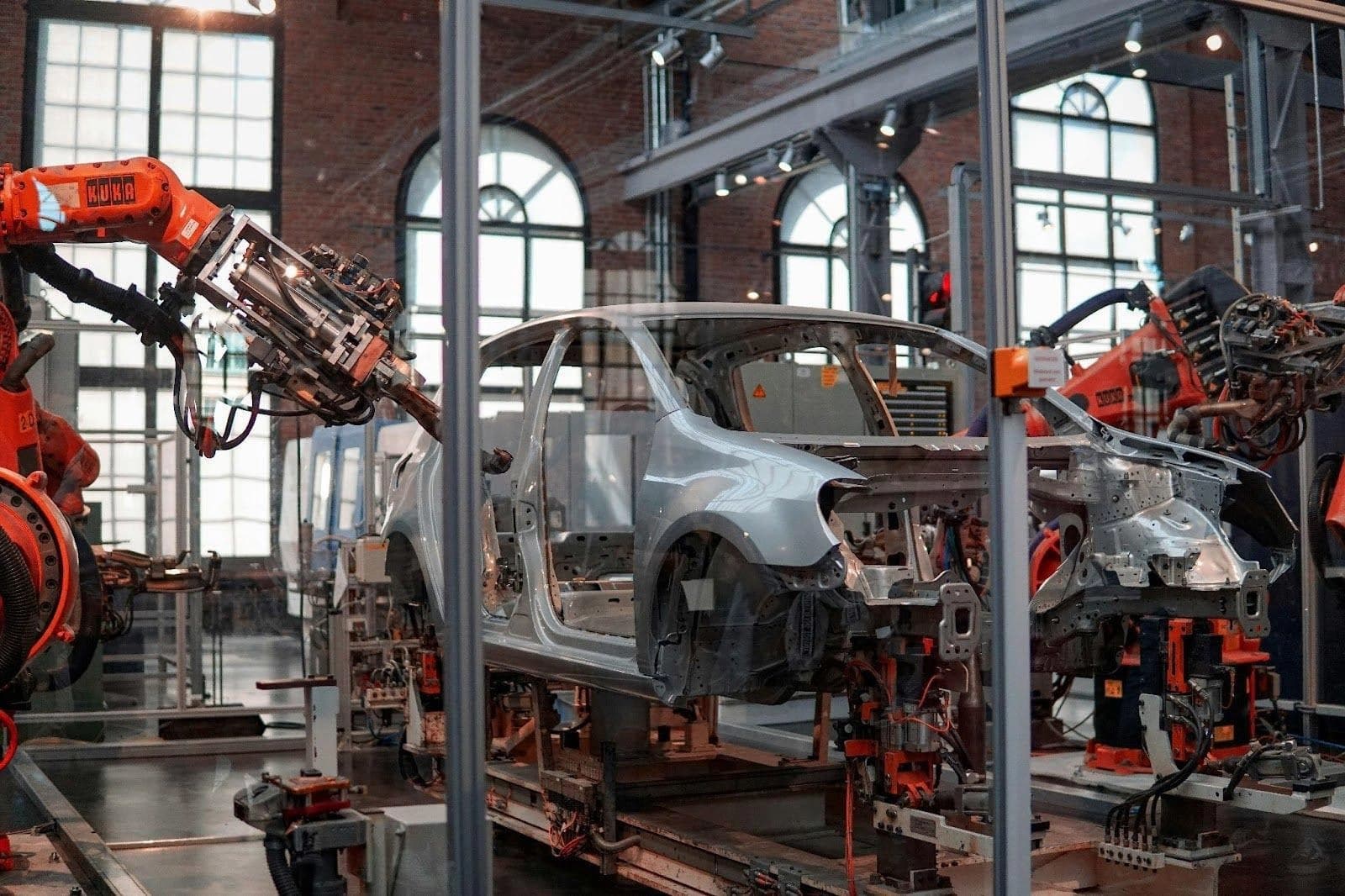
Remember when Ford laughed at Tesla's unconventional manufacturing methods? Yeah, those days are over. The Dearborn giant has not only stopped laughing—it's reached deep into its pockets and pulled out $2 billion to completely retool its Louisville Assembly Plant around Tesla's gigacasting approach. Nothing says "maybe they were onto something" quite like copying someone's homework after spending years insisting your way was better.
For the uninitiated, gigacasting is exactly what it sounds like: instead of stamping out dozens or hundreds of small parts and welding them together like we've done since Henry Ford invented the assembly line, you pour molten aluminum into enormous high-pressure machines that stamp out entire sections of a car in single pieces. Tesla pioneered this approach at scale with the Model Y, and the results were honestly impressive. Production costs dropped by 40%, assembly time plummeted, and suddenly every other automaker was scrambling to figure out how Tesla was building cars so efficiently.
Ford bought an IDRA gigapress—the Italian company that makes these massive machines—back in 2023. Initially, it was just for R&D purposes, a way to kick the tires and see if this whole thing was legit or just more Tesla smoke and mirrors. Turns out, it's legit. So legit that Ford is now building its entire "Universal EV Platform" strategy around it.
The $2 billion Louisville investment is part of a larger $5 billion commitment that includes a $3 billion battery plant in Michigan. That battery facility will produce Ford's first in-house lithium iron phosphate (LFP) prismatic cells—the structural batteries that serve as the vehicle's floor. These batteries are cobalt-free and nickel-free, which is good for cost and durability, plus they enable a lower center of gravity that improves handling. The first vehicle off this new platform will be a midsize electric pickup truck targeting a $30,000 starting price, launching in 2027.
Thirty thousand dollars for an electric truck. If Ford actually delivers on that price point with reasonable range and capability, it could be genuinely disruptive. The current F-150 Lightning starts around $62,000, and even with discounts, affordable electric trucks remain mythical creatures that everyone talks about but nobody's actually seen in the wild.
Ford's manufacturing overhaul goes beyond just buying big machines. They're implementing what they call the "Universal EV Production System," which replaces the traditional single assembly line with an "assembly tree" approach. Three sub-assemblies run down separate lines simultaneously—front section, rear section, and the structural battery pack with seats and interior—then they all come together like automotive Voltron. Large single-piece aluminum castings replace hundreds of smaller parts, dramatically simplifying production.
It's clever stuff, but it's not without risks. Gigacasting sounds great until you realize that a single-piece mega-casting means if you damage that section in a crash, you're replacing the entire piece rather than a few smaller parts. Insurance companies are already getting nervous about repair costs, and some vehicles with extensive casting have been totaled after relatively minor accidents because replacing a quarter of the car at once is expensive.
Ford isn't alone in this pivot. Nissan, Volvo, Hyundai, GM, and Toyota have all either bought gigapresses or announced plans to implement the technology. The industry is essentially validating Tesla's manufacturing philosophy by copying it wholesale, which must feel vindicating for Elon even if he's currently too busy running seven other companies to notice.
Interestingly, not everyone's drinking the gigacasting Kool-Aid. Stellantis remains conspicuously absent from the party, with their Chief Manufacturing Officer basically shrugging and saying they don't see the benefit. Whether that's justified skepticism or they're about to get left behind remains to be seen.
The real test will be whether Ford can execute. They've spent the past few years bleeding money on their Model e EV division—around $3 billion expected for 2025 alone—while admitting their EVs are priced too high and not profitable. CEO Jim Farley has hired talent from Tesla and Apple, restructured operations, and bet the farm on this new manufacturing approach. If it works, Ford could finally crack the code on affordable EVs. If it doesn't, that's a very expensive lesson in why you shouldn't copy someone's homework without understanding the material.
The first vehicles from this new platform won't arrive until 2027, so we're playing the long game here. Between now and then, Ford needs to finish the Louisville retool, ramp up battery production in Michigan, and somehow convince the public that they've figured out EVs after years of expensive missteps. The $30,000 midsize electric truck is a compelling carrot, but Ford's going to need more than promises and press releases to make this work. They're going to need execution, and that's where traditional automakers have historically struggled against Tesla.
Still, credit where it's due: Ford is actually trying. They're not sitting around waiting for someone else to figure out affordable EV production. They're investing massive capital, adopting proven (if unconventional) manufacturing techniques, and building toward a specific, attainable goal. Whether that's enough to compete with Tesla, the incoming wave of Chinese EVs, and everyone else trying to make electric vehicles that regular people can afford? We'll find out in 2027. Until then, pass the popcorn.