Ford’s Cold Weather EV Playbook: How the Blue Oval Wants to Keep Your Range Alive This Winter
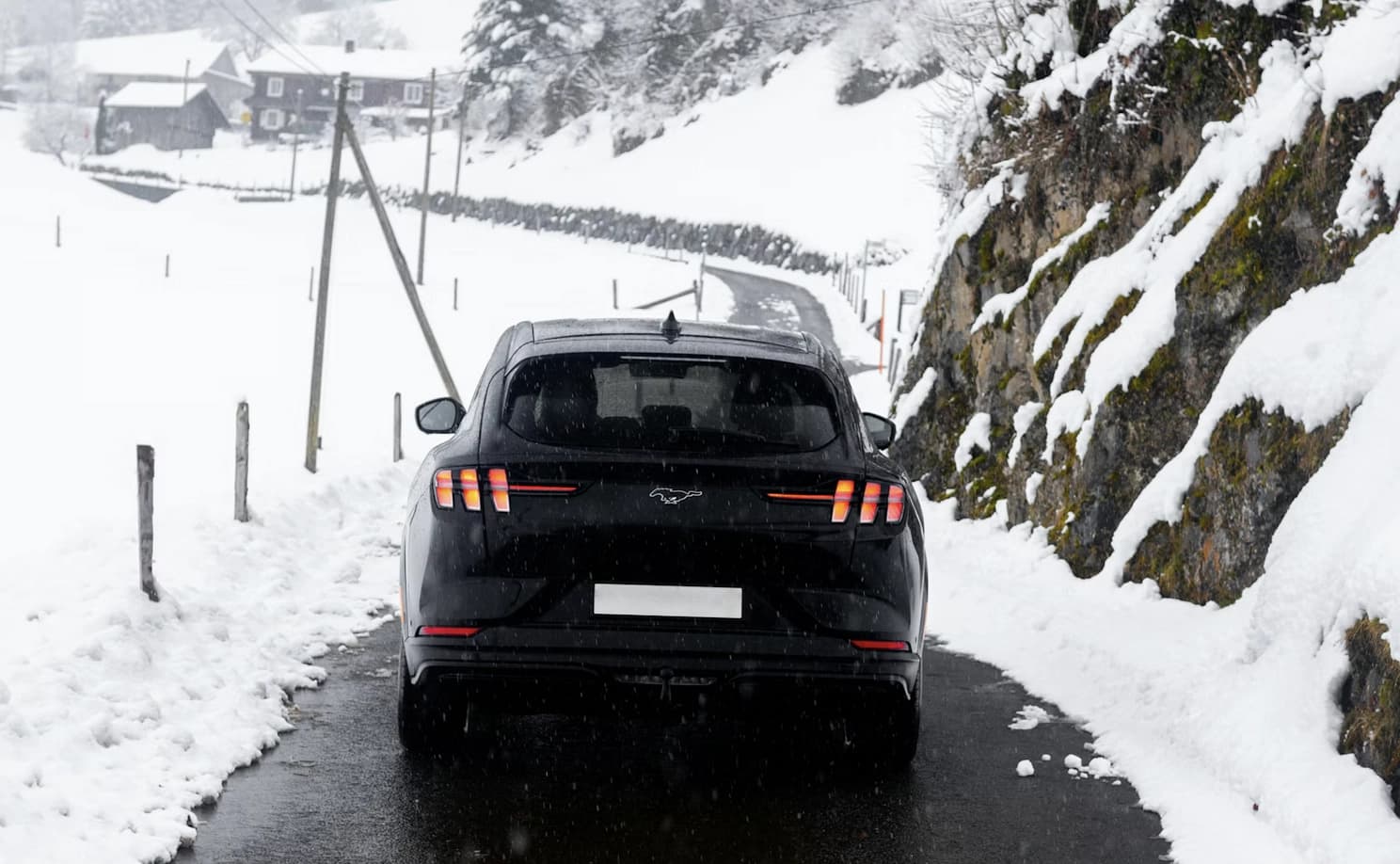
Winter is the kryptonite of the electric vehicle. It is the season where the laws of thermodynamics conspire to humiliate early adopters. Batteries hate the cold, chemical reactions slow down, and cabin heaters suck energy like a vampire, turning a 300-mile thoroughbred into a 200-mile donkey the moment the mercury drops below freezing. Ford knows this is a major pain point for adoption, and for late 2025, they have released an updated, surprisingly transparent "playbook" for F-150 Lightning and Mustang Mach-E owners to help mitigate the freeze.
The centerpiece of this strategy is a renewed focus on "Preconditioning," a term Ford is trying to drill into the heads of every owner. This isn't just about stepping into a toasty cabin so you don't have to wear gloves. When you set a departure time in the Ford Pass app while the vehicle is plugged in, the truck draws power from the grid to warm the battery pack itself. This is critical because a cold battery cannot accept regenerative braking energy efficiently. If you start driving with a cold battery, you lose the ability to recapture energy at stoplights, which is a double whammy for efficiency. Ford’s data suggests that proper preconditioning can recover up to 20% of the range usually lost to winter, simply by getting the chemistry happy before you leave the driveway.
The biggest hardware win for 2025 buyers, however, is the standardization of the Vapor Injection Heat Pump across the Mustang Mach-E lineup. Early versions of the Mach-E (and the Lightning) used resistive heating, which is basically a giant, electrified toaster coil. It works instantly, but it is horrifyingly inefficient, torching battery range just to keep your toes warm. The new heat pump system is vastly more sophisticated, scavenging heat from the drivetrain and the outside air (yes, even cold air has heat energy) to warm the cabin. It’s the difference between heating your house with a space heater versus a central HVAC system.
Ford has also pushed a significant Over-the-Air (OTA) software update that tweaks the "Range Estimate" algorithm. In previous years, the "Guess-O-Meter" was overly optimistic, leading to panic when the percentage dropped faster than the miles driven. The new software is designed to be more pessimistic—read: honest—about cold weather performance. It takes into account the ambient temperature history and your recent driving efficiency to give a number that, while lower, is actually achievable. It hurts to see a lower number on the dash when you start the car, but it is infinitely better than the alternative of being stranded in a snowbank in Buffalo because the car lied to you.
The Blue Oval is also providing practical, if slightly ascetic, advice: rely on the heated seats and heated steering wheel. Direct contact heating uses a fraction of the energy required to heat the entire volume of air in the cabin. By lowering the cabin air temp by a few degrees and blasting the seat warmers, you can squeeze out significantly more miles. It’s a bit of a compromise, sure, but until solid-state batteries arrive to save us all from physics, it’s the reality of EV ownership in the snow belt. The message from Dearborn is clear: the truck can handle the winter, but you have to be smarter than the weather.