Ford Would Like You To Please Stop Setting Your Driveway On Fire
It is once again time for our favorite industry tradition: The Recall Round-Up. While recalls are a serious safety matter that we should all treat with the utmost gravity, the sheer volume of them lately makes it difficult not to feel like we are all unpaid beta testers for multi-billion dollar corporations. This week, we have a "fire vs. ice" theme, with Ford bringing the heat and Toyota bringing the frozen screens.
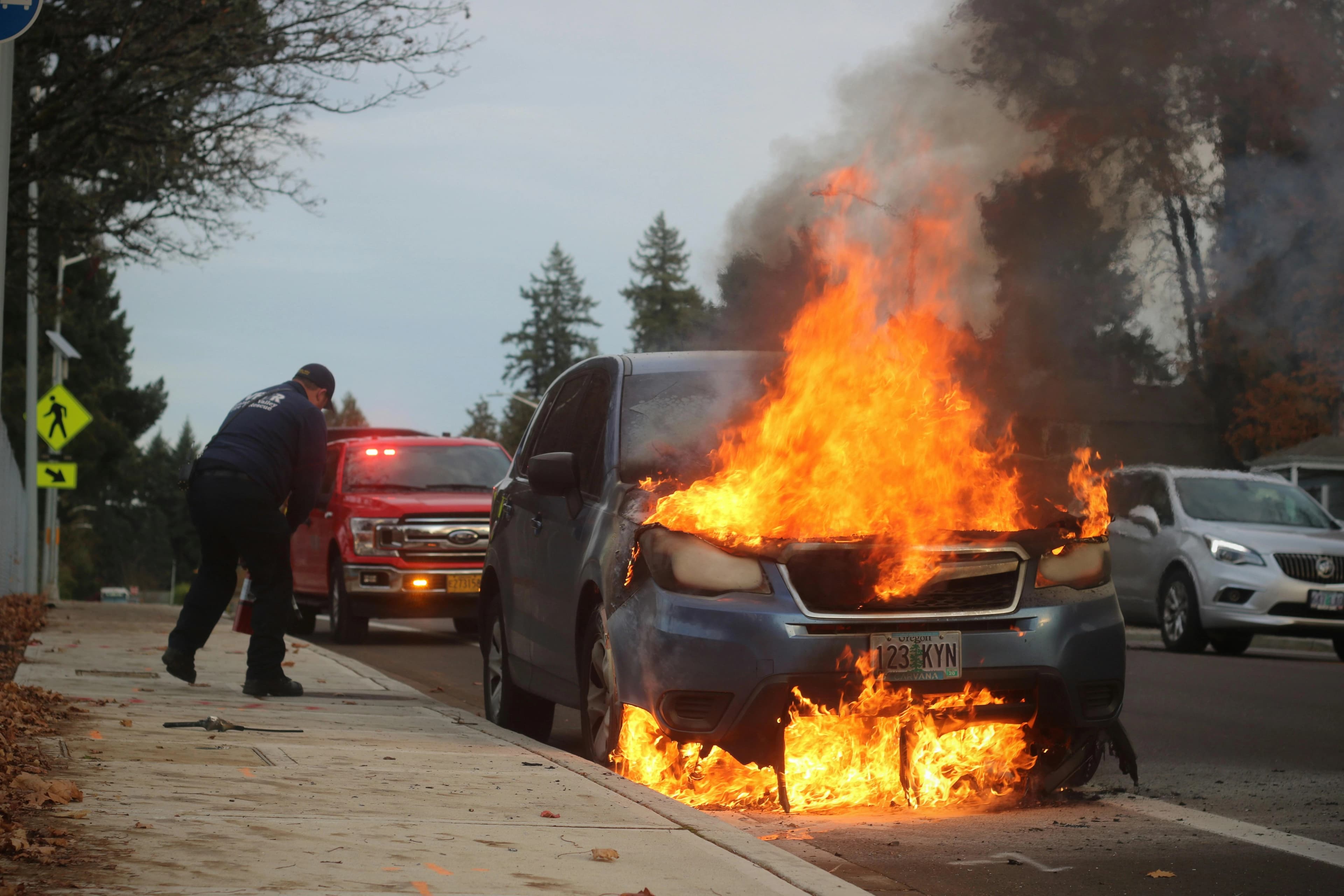
The headline act comes from Dearborn, where Ford issued a recall yesterday for nearly 117,000 vehicles due to an engine block heater that has developed a spicy little habit of short-circuiting. The affected vehicles include the 2013-2019 Escape, 2013-2018 Focus, and the 2015-2016 Lincoln MKC. If you live in a cold climate and paid extra for the block heater to keep your engine toasty on winter nights, you might want to rethink that strategy.
According to the filing, the issue stems from the heater assembly’s susceptibility to corrosion. Over time, road salt and water can degrade the heater's element pins, leading to a coolant leak. When that coolant hits the electrical components, it creates a conductive path that can cause a resistive short. The terrifying part? This can happen while the car is parked and the engine is off, as long as the heater is plugged into an outlet. Ford is currently advising owners to simply... not use them. That is the fix for now. If you live in North Dakota, we assume your alternative is to bring the car inside your living room and wrap it in a heated blanket.
Meanwhile, over at Toyota—the brand that usually sits at the front of the class for reliability—things aren't going much better. The automaker is recalling approximately 162,000 Tundra trucks (2022-2025 models) and Sequoia Hybrids because their massive 14-inch infotainment screens have decided to go on strike. Reports confirm that a software bug can cause the screen to go blank or turn a delightful shade of solid green while reversing.
When the screen dies, the backup camera feed dies with it. And since federal regulations (FMVSS 111, to be exact) require all new vehicles to have a functioning rear visibility system, this is a compliance nightmare. While a blank screen won't burn your house down like the Ford issue, it’s yet another dent in the armor for the new-generation Tundra, which has suffered from a string of quality issues ranging from wastegate failures to engine debris recalls. It’s a reminder that even the titans of quality aren't immune to the complexity of modern software-defined vehicles.
If you are in the market for a used truck or SUV, this is exactly the kind of invisible headache you want to avoid. A vehicle might look pristine on the lot, but if it’s harboring a corroded heater or glitchy software, you’re buying a project, not a car. A tool like Price360 is invaluable in this scenario—it can scan the vehicle’s history to see if these specific recall repairs have been performed, letting you know if that "perfect" Escape is actually a driveway campfire waiting to happen. For now, check your VINs, unplug your heaters, and maybe learn to parallel park using your mirrors again.