Ford Remembers Regular Humans Buy Trucks, Promises a $30K EV Pickup
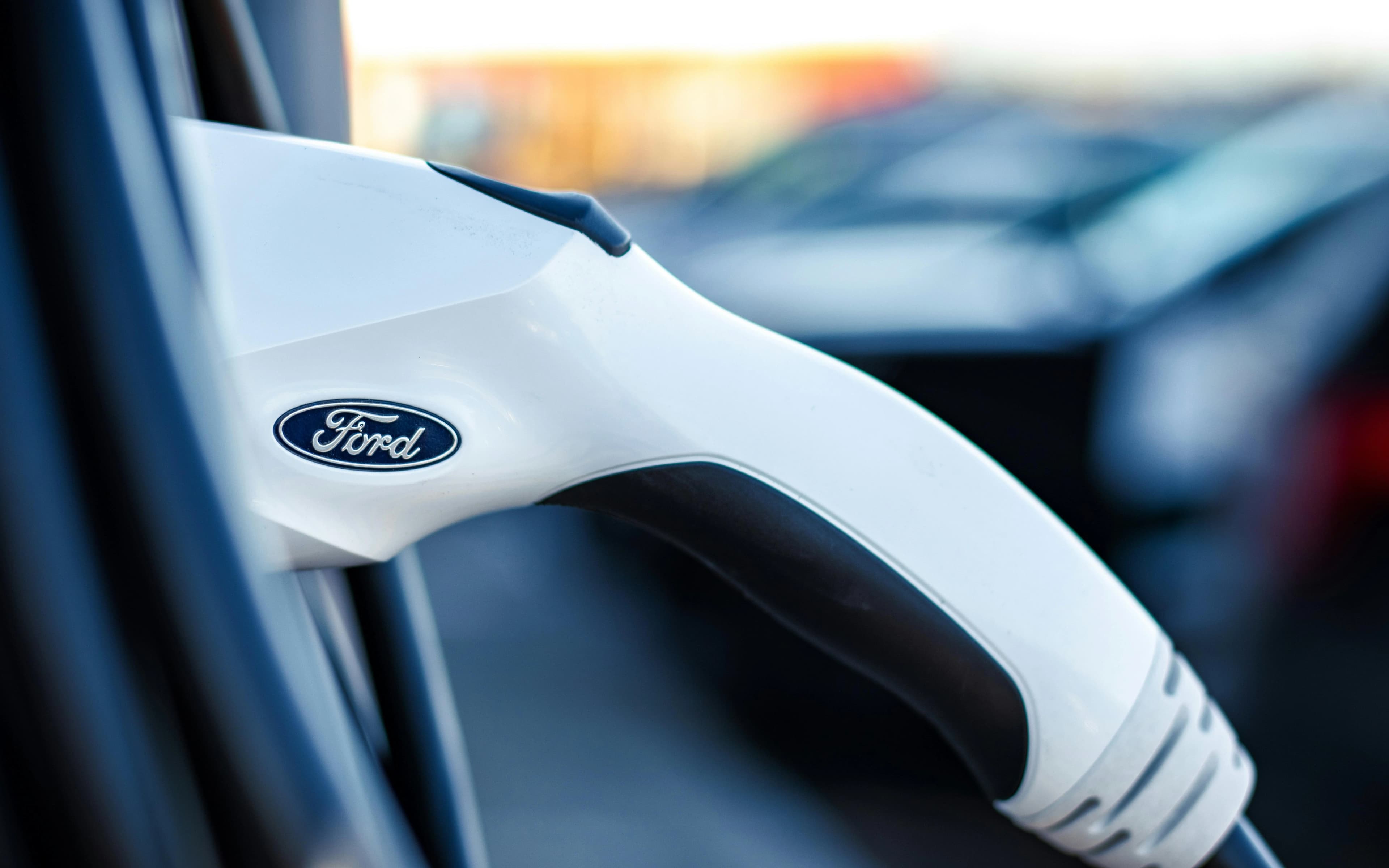
For the past several years, the automotive industry seemed convinced that every electric vehicle needed to be a rolling ninety thousand dollar luxury spaceship. We were given giant battery packs, sub-three-second zero-to-sixty times, and interior touchscreens large enough to double as living room televisions. That strategy worked fine for early adopters with deep pockets, but it left the vast majority of working-class truck buyers standing on the sidelines holding their wallets. Ford appears ready to admit that the high-end electric gravy train has run its course, and their answer is a budget-focused electric pickup project code named Fathom.
Aiming for an entry price right around thirty thousand dollars, the Fathom EV project represents a fundamental pivot in how Dearborn approaches electric utility. Rather than taking a massive gas-powered truck platform and stuffing it full of expensive lithium-ion cells, Ford tasked a dedicated skunkworks team in California with building a low-cost, highly efficient EV platform from scratch. The goal is simple on paper but notoriously difficult in practice: build an electric truck that working people can actually afford without losing money on every unit sold.
To hit that magic thirty thousand dollar price tag, Ford is rethinking basic vehicle architecture and component sourcing. Expect a heavy reliance on lithium iron phosphate battery chemistry, which is cheaper to produce and far more durable over high charge cycles than traditional nickel-manganese-cobalt setups. The design focus is shifting away from ludicrous acceleration numbers and ultra-long range towards practical daily utility, rapid charging capability, and minimalist manufacturing techniques. Think less luxury cruiser and more modern interpretation of the honest, blue-collar work truck.
This shift in philosophy is largely driven by the massive success of the Ford Maverick. When Ford launched the compact hybrid Maverick with a sub-twenty thousand dollar starting price a few years ago, demand exploded overnight. It proved beyond a shadow of a doubt that buyers are starving for practical, affordable utility vehicles. The Fathom EV aims to capture that exact same magic, but with an electric powertrain that keeps operating costs down for daily commuters and small business owners alike.
The timing of this budget electric push could not be more critical for Ford. Global competition, particularly from overseas manufacturers producing hyper-efficient low-cost EVs, is looming large over the entire industry. At the same time, domestic buyer enthusiasm for eighty thousand dollar electric trucks has cooled significantly as high interest rates take their toll. If Ford can successfully launch a functional, durable electric pickup at thirty grand, they will create a brand new market segment before rivals can even get off the drawing board.
Naturally, the path to a thirty thousand dollar electric pickup is littered with engineering landmines. Automakers have struggled for years to make small, low-cost electric vehicles profitable. Every dollar spent on interior materials, suspension components, and battery capacity must be scrutinized down to the penny. Furthermore, Ford will need to resist the temptation to lock all the useful features behind expensive option packages that push the real-world price right back up into forty-five thousand dollar territory.
If Dearborn can pull this off and maintain true affordability at the dealership level, the Fathom EV could become one of the most important utility vehicles of the decade. It turns out that when you build a vehicle focused on everyday value rather than headline-grabbing parlor tricks, truck buyers are more than willing to pay attention.