Ford Recalls 412,000 Explorers Before Their Rear Suspensions Implode
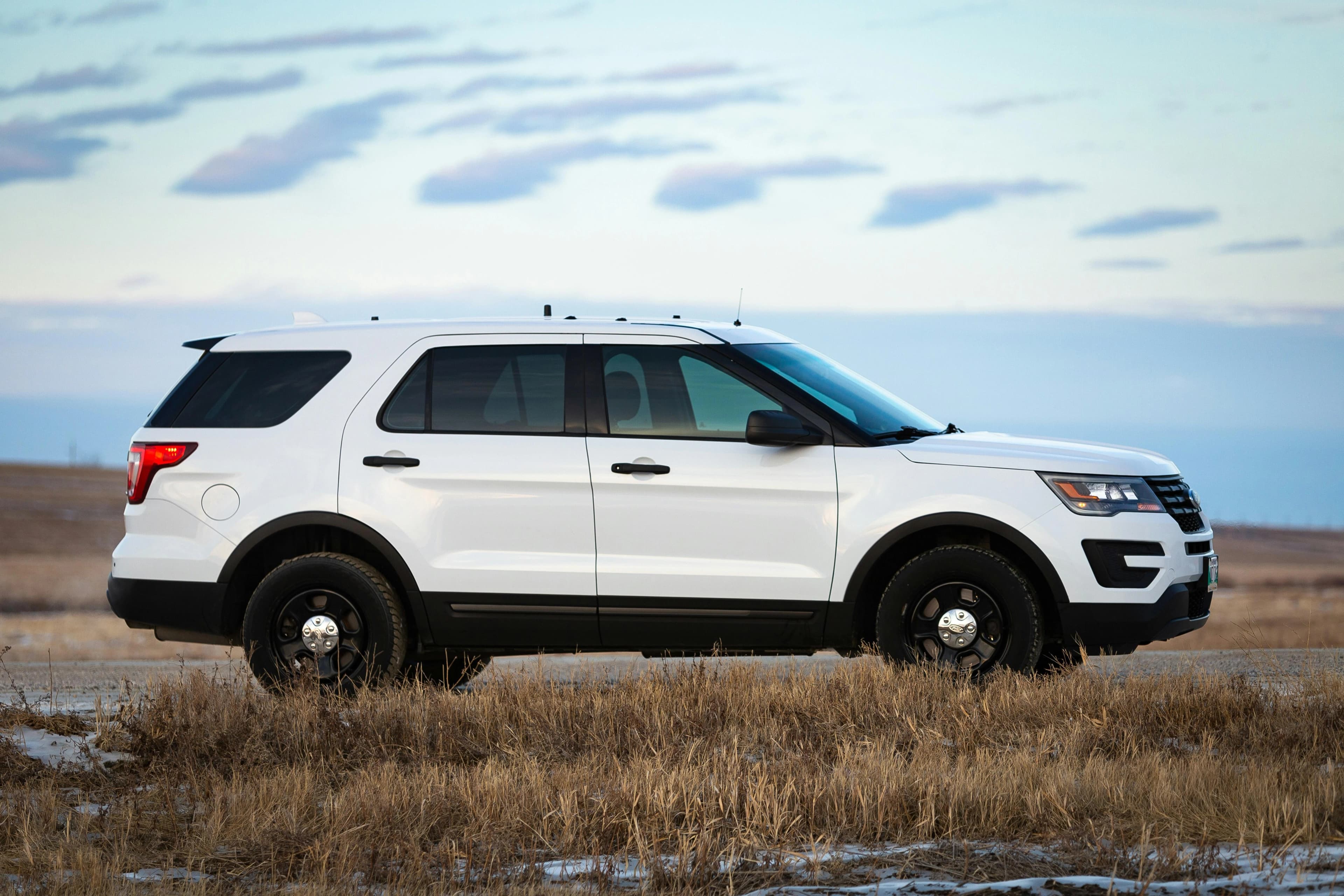
Ford is once again finding itself in the spotlight for all the wrong reasons as it expands a massive recall affecting over 412,000 Explorer SUVs. The culprit this time around is the rear suspension toe link, a critical component that keeps your rear wheels pointed in the direction you actually intended to travel. When these links fracture, the rear wheels can suddenly decide to follow their own path, leading to a loss of steering control that most drivers would describe as suboptimal. This is not exactly the kind of adventure Ford had in mind when they named the vehicle, but here we are.
The issue stems from a manufacturing defect where the toe link was not properly hardened or was subjected to stresses it simply was not designed to handle. For a vehicle that weighs as much as a small planet and is often tasked with hauling families across state lines, having a suspension part give up the ghost is a significant safety concern. Ford has noted that the risk is particularly high in regions where road salt and corrosion are common, but the recall is broad enough to cover a wide swathe of the Explorer population from various model years.
It is worth noting that Ford has been struggling with quality control issues for a few years now, topping the charts for the most recalls in North America. While the company has pledged to overhaul its manufacturing processes and improve initial quality, the legacy of past engineering decisions continues to haunt their balance sheet. Replacing toe links on nearly half a million vehicles is not just a logistical nightmare; it is a massive financial drain and a persistent dent in brand loyalty. Owners are being urged to bring their vehicles into dealerships for a free replacement, though the parts shortage that has plagued the industry for years might make the wait times a bit longer than anyone would like.
This situation highlights the importance of staying on top of your vehicle history, especially when buying on the secondary market. If you are looking at a used Explorer, you really want to know if these critical fixes have been performed. This is where a tool like Price360 can be incredibly useful. It delivers comprehensive vehicle history reports and an AI-powered visual inspection that can highlight existing damages. Knowing the history of a vehicle and seeing its current condition can provide the confidence needed to avoid a lemon.
The industry at large is watching Ford closely. As automakers pivot toward electric vehicles and software-defined platforms, the basic mechanical engineering still matters. You can have the best infotainment screen in the world, but if your rear wheels are doing the Macarena while you are trying to merge onto the highway, the user experience is going to suffer. Ford is facing the challenge of maintaining its dominant position in the SUV market while simultaneously fixing the mechanical ghosts of its recent past. It is a balancing act that requires precision, transparency, and a lot of high-strength steel. For now, Explorer owners should keep a close eye on their mailboxes for that official recall notice and perhaps avoid any sudden maneuvers on the way to the dealership.