Ford Needs Your Escape Again: The Liftgate Saga Continues
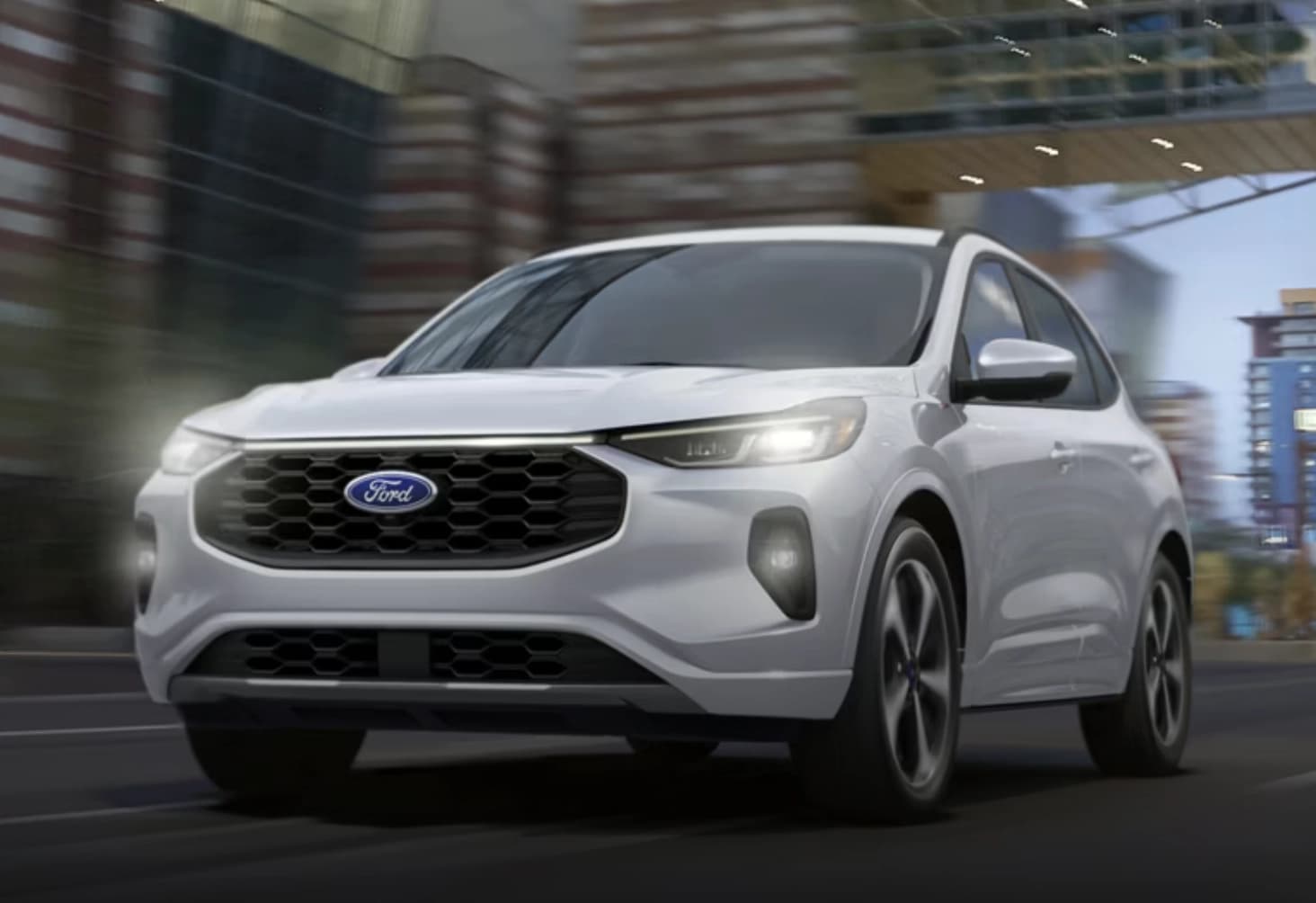
Image Courtesy of Ford
If you own a Ford Escape from the 2020-2022 model years, or one of the fresh 2025s, check your mail. You might be getting a holiday card from Dearborn that you didn't ask for. Ford has filed a recall with the NHTSA covering approximately 109,000 Escape SUVs regarding a liftgate hinge-cover detachment risk. In plain English: a piece of the rear hatch might fly off while you are driving.
Now, before we get the pitchforks out, let’s look at this with a bit of industry context. Modern vehicle manufacturing is a game of millimeters and supplier variances. This recall centers on a specific hinge cover that, under certain conditions, may not have enough retention force. It’s not an exploding engine. It’s not a wheel falling off. It’s a piece of trim. However, a piece of trim flying off a car at 70 mph on the interstate becomes a projectile, and the NHTSA takes a dim view of vehicles shedding parts like a lizard shedding skin.
The fix involves dealers inspecting the liftgate and, if necessary, adding a retention pin or replacing the cover. It’s a quick job, but for the 109,000 owners affected, it’s another trip to the service bay. And that is the real friction point here. Ford has been working hard to improve its quality rankings, and recalls—even minor ones—chip away at consumer confidence. It’s the "death by a thousand cuts" principle. One recall is fine; three in a year starts to feel like a hobby.
But let’s be fair to the engineers. The sheer complexity of a modern unibody SUV is staggering. You are coordinating thousands of parts from hundreds of suppliers, all while trying to keep the MSRP competitive. Issues like this usually stem from a tiny variance in a supplier mold or a slight change in assembly procedure. It highlights just how difficult it is to build a perfect car a million times in a row.
For the dealers, this is a mixed bag. On one hand, warranty work pays the bills and gets customers into the service drive, where they might buy tires or an oil change. On the other hand, explaining to a customer that their brand-new 2025 Escape is already being recalled requires a level of diplomacy that deserves a Nobel Peace Prize.
The takeaway here isn’t that the Escape is a bad car—it remains a solid contender in a crowded segment. The takeaway is that the feedback loop between the road and the factory is faster than ever. In the old days, this might have gone unnoticed for years. Today, data analytics catch it, the NHTSA files it, and the fix is out before most people even know there was a problem. It’s annoying, yes. But it’s also a sign of a system that is actually working to keep cars from falling apart, one hinge cover at a time.