Ford Bets on Hospitality to Reinvent the Dealership Experience
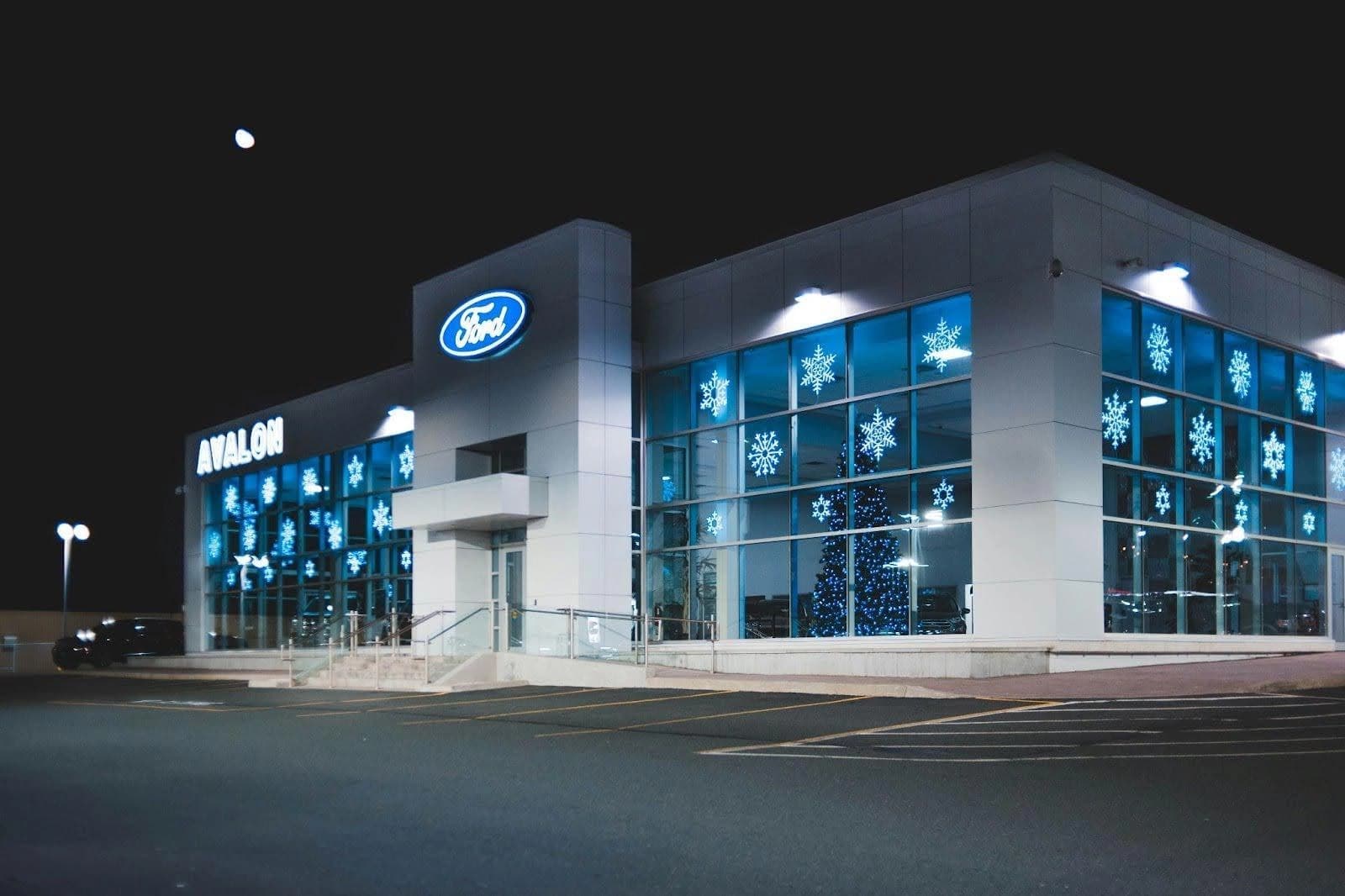
Ford just unveiled their grand plan to reimagine dealerships: Ford Signature 2.0, a new retail experience that promises hospitality spaces, snacks, and salespeople who are now called "brand ambassadors." It's an ambitious attempt to tackle one of the auto industry's most persistent challenges: making the car-buying process feel less transactional. Whether free coffee can accomplish that remains to be seen.
Let's be clear about what this is: a dealership interior design program. They're creating open hospitality spaces with comfortable seating, making food and beverages available in showrooms and service areas, and giving customers flexibility to choose where they conduct business. You can sit in a traditional purchase room or opt for a more relaxed setting—a subtle psychological shift that Ford hopes will ease the tension of major purchases.
The design makes dealerships feel more like Silicon Valley conference centers or upscale hotel lobbies. There are open floor plans, dedicated conversation spaces, wood tones, navy blue accents, and plenty of oval shapes because someone decided curves are more welcoming than corners. Ford has a demo setup at their Dearborn Experience Center that apparently hits the right "hotel conference center vibe." It's a notable departure from the fluorescent-lit showrooms of decades past.
Ford is rolling this out slowly: 20 dealerships in 10 countries by the end of 2025, expanding to 110 locations globally by 2026. For context, there are about 3,100 Ford dealerships in the U.S. alone and nearly 10,000 worldwide. This is going to take a while.
The program has four core principles. First: "Hospitality First," where staff act as brand ambassadors with dedicated hospitality spaces and refreshments. Second: "Sales and Service Anywhere," giving customers flexibility in where they do business. Third: "Operations Excellence," corporate speak for efficient design. Fourth: "Discover Ford," providing immersive ways to explore products through interactive displays.
Here's what Signature 2.0 doesn't address: the actual sales process. Customers will still negotiate price, sit through financing presentations covering gap insurance and paint protection, and discuss trade-in values. The transaction fundamentals remain unchanged. The difference is the environment where those conversations happen—and Ford is betting that atmosphere matters more than critics might assume.
To Ford's credit, they're being transparent about this approach. CEO Jim Farley has shifted his tone considerably since earlier pushing hard for direct online sales. Now he refers to Ford's relationship with dealers as its "secret sauce" and credits dealerships for sales success. It's a pragmatic acknowledgment that the franchise model, whatever its frustrations, remains central to how Americans buy cars.
Early results are promising. Elements introduced in China and Mexico received positive reception. Mexican stores that adopted changes saw 30 percent sales growth and improved consumer surveys. Ford ranked second behind Dodge in J.D. Power's Sales Satisfaction Index in Mexico.
But let's talk cost. Boulevard Ford in Delaware built a new 44,000 square foot Signature 2.0 dealership from the ground up for $12.5 million. Not every dealer is dropping eight figures on a new building. Some will do partial renovations that cost less but deliver less of the intended experience. Adoption is currently voluntary, though it'll be required for newly built dealerships.
Ford isn't alone in trying to elevate the dealership experience. Subaru announced plans for "vibrant community destinations" with outdoor spaces. Rivian opened a San Francisco showroom that doubles as a co-working space with free Wi-Fi. The industry is clearly searching for ways to make car buying feel more customer-centric.
The fundamental challenge is that car dealerships serve two masters: the manufacturer supplying vehicles and the dealer group owning the franchise. Manufacturers want premium brand experiences. Dealers want to maximize profit per vehicle. Balancing these goals is genuinely difficult, which is why even beautiful showrooms can still feature aggressive upselling. No amount of free coffee automatically changes that dynamic.
Will Signature 2.0 make dealerships better? Probably, at least incrementally. A nicer environment with more flexibility is a meaningful improvement, and the early sales data from Mexico suggests customers respond positively. Whether it can fundamentally shift perceptions of the car-buying experience is a longer-term question. At minimum, the chairs will be comfortable, and there will be snacks.