Ford Beat Earnings Expectations, Then A Fire Ruined Everything
Ford just pulled off something remarkable: they beat Wall Street's Q3 earnings expectations with EPS of 45 cents versus the expected 36 cents, posted record revenue of $50.5 billion, and watched their stock jump 4% in after-hours trading. CFO Sherry House was probably already drafting the victory speech when she had to drop the hammer: we're cutting full-year guidance because a supplier's plant caught fire.
Yeah, you read that right. One fire. One single aluminum plant in Oswego, New York. And it's going to cost Ford between $1.5 billion and $2 billion before this nightmare ends.
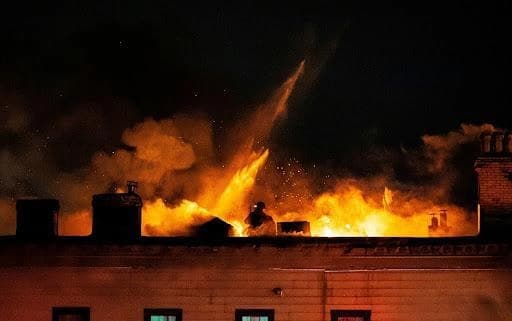
Here's what happened: On September 16, Novelis Inc.'s aluminum facility—Ford's top provider of body panels for F-150s, Expeditions, and Lincoln Navigators—experienced a fire in its hot mill section. You know, the section that processes the exact aluminum Ford needs for its most profitable vehicles. The same vehicles that actually make Ford money. The plant's cold rolling and finishing sections are still operational, but the hot mill is toast. Literally.
Ford expects to lose about 100,000 units of production in Q4 alone. Let that sink in. One hundred thousand F-Series trucks and big SUVs that won't get built because one plant caught fire. That's not a supply chain issue—that's a single point of failure the size of the Grand Canyon.
The kicker? House told reporters Ford was actually on track to earn more than $8 billion in adjusted EBIT this year. "We would have raised guidance if not for the Novelis fire," she said. Instead, they're cutting full-year guidance from $6.5-$7.5 billion down to $6.0-$6.5 billion. That's a $2 billion swing in guidance. From one fire. At one plant.
CEO Jim Farley tried spinning it positively, saying he and the Ford team have been "on-site at the Novelis plant" working to source alternative aluminum. The plant should be operational by late November or early December, with a ramp-up through year-end. Ford's adding 1,000 workers early next year to boost F-Series production and recover about 50,000 lost units in 2026. So that's nice. They'll only be down 50,000 units permanently instead of 100,000.
The absurd part? Ford's Q3 was actually really strong. Adjusted EBIT hit $2.6 billion, flat with last year but solid considering the $700 million in tariff headwinds they absorbed. Ford Pro pulled in $2 billion in EBIT on $17.4 billion in revenue. Paid software subscriptions grew 8% to 818,000. Strong sales of Broncos, Expeditions, and F-Series pickups drove revenue up 9%.
And then there's the tariff situation. Ford originally expected a $2 billion hit from tariffs in 2025 but revised that down to $1 billion after President Trump's October 17 proclamation that levied 25% tariffs on imported heavy trucks but extended tariff discounts for vehicles built and sold in the U.S. Since Ford builds all its F-Series trucks in American factories, they benefit. "We will benefit from this," House said. Small victories.
Ford Model E, their EV division, continues burning cash—$3.6 billion in losses year-to-date, driven by lower pricing and increased spending on next-gen vehicles. But their universal EV platform is coming in 2027, and they're starting LFP cell production in Michigan later this year. Progress, I guess?
One bright spot worth celebrating: warranty costs dropped $450 million year-over-year in Q3. Ford's quality improvements are finally showing up in the numbers, helping offset tariffs and keeping adjusted EBIT steady despite the chaos.
David Whiston, a Morningstar analyst, captured the mood perfectly: "It's just the worst time to have an aluminum supply chain shock." Ford executed well, posted strong results, and got absolutely wrecked by something completely outside their control.
This is the automotive industry in 2025, folks. You can hit every target, beat every expectation, and still watch your guidance crater because one supplier's plant catches fire. The fragility is breathtaking. After the last chip shortage, everyone swore they'd build supply chain resilience. Turns out "resilience" means "pray nothing catches fire."
So what's next? Ford plans to add a third shift at the Dearborn truck plant and increase line speed at Kentucky Truck to recover about half the lost Q4 production next year. They're maximizing aluminum purchases from alternative sources. They're doing everything right. But it won't change the fact that Q4 is going to hurt.
The lesson? When your most profitable vehicles depend on aluminum from basically one supplier, maybe—just maybe—that's a problem worth addressing before the plant burns down. But hey, hindsight is 20/20.