Ford and Renault Swear They’re Just Friends as They Build an EV Future Together
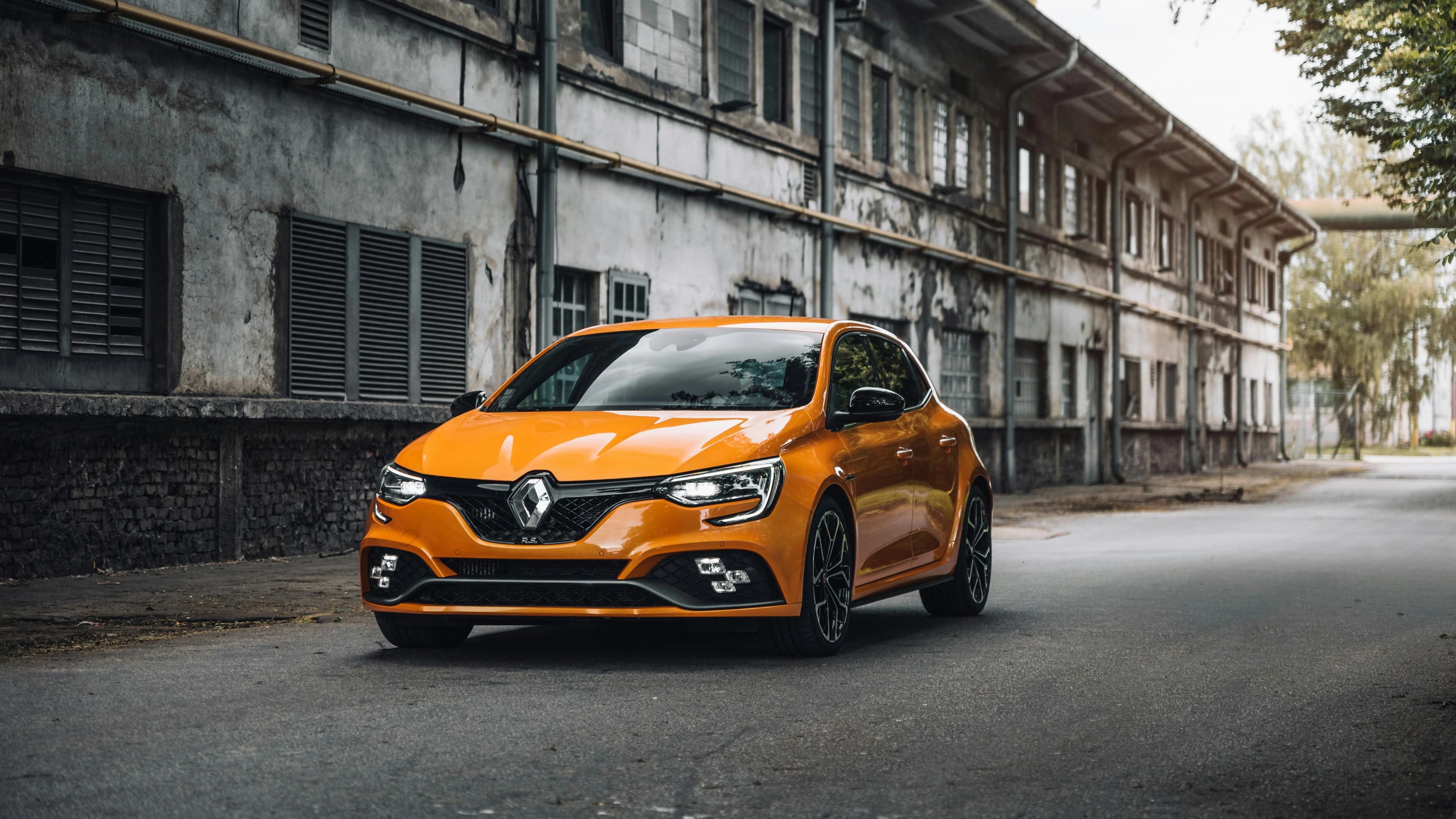
If politics makes for strange bedfellows, the European automotive market makes for absolutely bizarre roommates. In a move that feels like a desperate attempt to survive the current pricing wars, Ford has unveiled a new European strategy anchored by a partnership with Renault. This isn't a full merger—let's not get ahead of ourselves—but it is a significant strategic hug. Ford plans to launch at least two Ford-branded EVs riding on Renault’s Ampere platform, along with potential shared commercial vans. The goal? Stay alive, stay competitive, and maybe, just maybe, make some money on electric cars.
This alliance speaks volumes about the current state of the industry in Europe. The market is tough. Chinese manufacturers are arriving with competitive products at aggressive price points, and legacy automakers are realizing that going it alone is a recipe for financial ruin. Ford, which has been somewhat adrift in its European EV strategy (remember the Explorer EV delay?), clearly sees Renault’s Ampere division as a lifeline. Renault has invested heavily in this dedicated EV and software unit, and by licensing the tech, Ford gets a shortcut to the showroom floor without spending billions developing a new platform from scratch.
For the consumer, this means we are going to see some interesting genetic splicing. A Ford top hat on a Renault chassis. This isn't new territory for Ford—the current European Explorer is already a Volkswagen ID.4 in a cowboy hat—but shifting to Renault suggests Ford is shopping around for the best deal. It’s a pragmatic, if slightly unromantic, approach to car building. The "Ford-ness" of these future vehicles will come down to design, suspension tuning, and software skinning. Underneath, they will speak French.
The inclusion of commercial vans in the deal is perhaps the most sensible part. The Ford Transit and Renault Master are icons in the delivery world. Sharing development costs on the next generation of electric workhorses is a no-brainer. Fleet buyers don't care about brand heritage; they care about total cost of ownership and uptime. If Ford and Renault can standardise parts and lower prices by pooling their volume, everyone wins. It’s the passenger cars where the identity crisis risks are higher. Can Ford convince a German or British buyer that their new crossover is a "Mustang-inspired" thoroughbred when it shares its bones with a Megane?
This strategy also signals a retreat from the "One Ford" global philosophy that dominated the company a decade ago. We are seeing a fractured approach: big trucks and Mustangs for America, and partnered, platform-shared EVs for Europe. It acknowledges that the two markets have diverged so wildly that a single product portfolio just doesn't work anymore. Europe demands small, efficient, and affordable electric cars. America wants... well, America wants the F-150 Lightning and the Bronco. Trying to force one market's products into the other has been painful, so Ford is essentially outsourcing its European homework to the kid in class who actually knows the answers.
Ultimately, this is a survival play. The "Ford from the Road" strategy is about keeping a footprint in Europe without bleeding cash. By leaning on Renault, Ford buys itself time and technology. It’s a smart business move, even if it leaves enthusiasts scratching their heads. We might mourn the loss of unique engineering, but if it keeps affordable EVs on the road and keeps the lights on at the factories, it’s a compromise the market will likely accept. Just don’t ask to look under the hood; you might not understand the accent.