Ford and Amazon Want to Plug In Your Ride, Everywhere
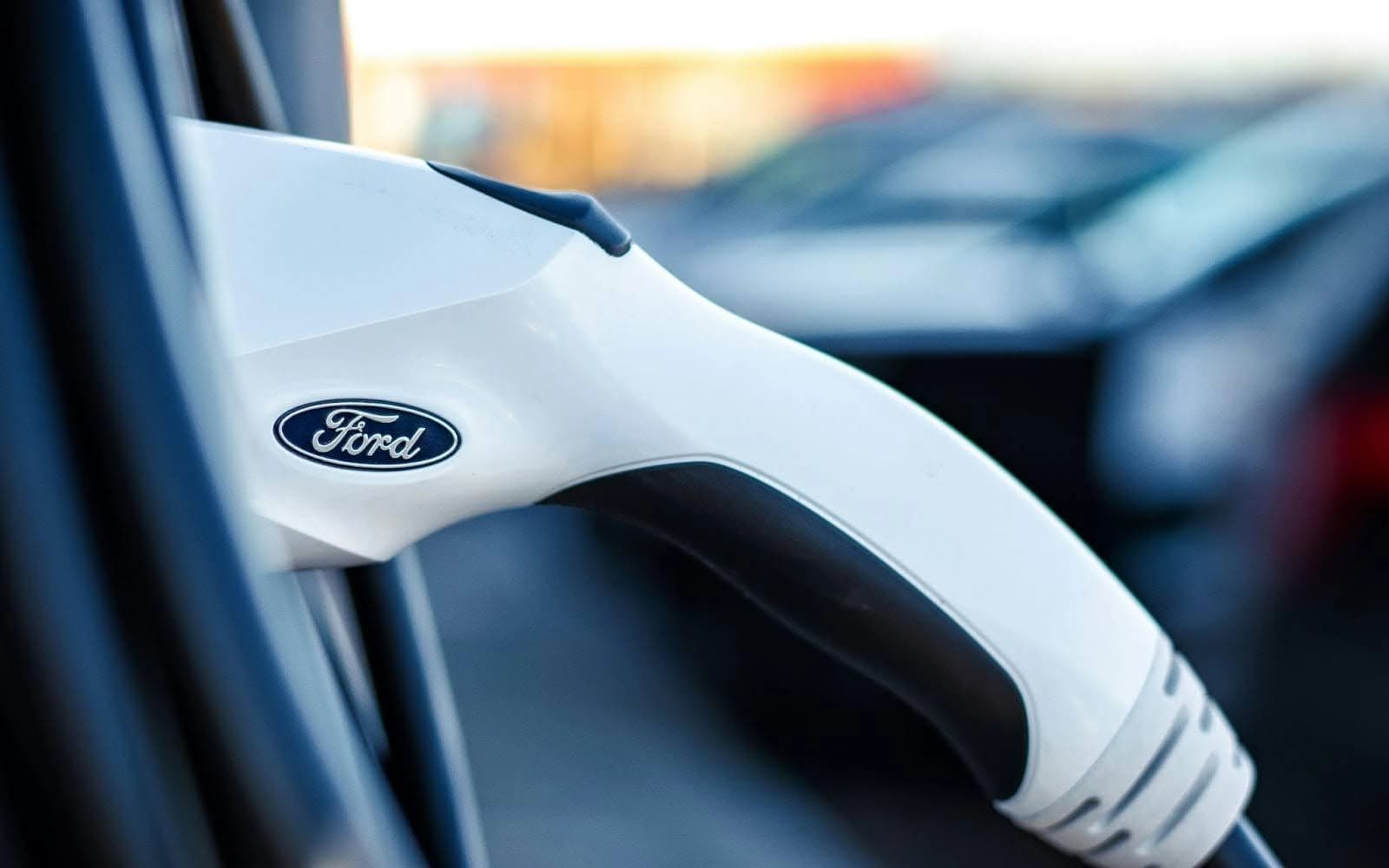
Ford and Amazon just announced they're teaming up to deploy 10,000 new high-speed EV chargers across the United States by 2027. It's an ambitious plan that combines Ford's automotive expertise with Amazon's logistics muscle and real estate footprint. The goal is to make charging as convenient as grabbing a package from your doorstep, assuming your doorstep is sometimes a Whole Foods parking lot.
The partnership makes sense on paper. Ford needs more charging infrastructure to support its expanding EV lineup, from the F-150 Lightning to the Mustang Mach-E. Amazon needs to green up its delivery fleet and has plenty of space at its facilities. Put them together and you get a charging network that's supposed to be both widespread and strategically located. Whether it actually works that way remains to be seen.
These won't be your garden-variety Level 2 chargers that take hours to top up your battery. Ford and Amazon are promising high-speed DC fast charging, the kind that can add significant range in 20 to 30 minutes. That's important because nobody wants to spend their lunch break waiting for electrons to fill up their electric truck. The faster charging also makes these stations viable for more than just emergency top-ups.
The deployment strategy focuses on urban areas and Amazon-owned properties, which is both smart and somewhat limiting. Cities need more charging infrastructure, especially for people who can't install home chargers. Amazon's properties provide ready-made locations with existing electrical infrastructure. But this also means the network will be concentrated where Amazon already has a presence, which doesn't necessarily align with where charging is most needed.
Ford is positioning this as a cornerstone of its BlueOval Charge Network, which aggregates access to multiple charging networks through a single app and payment system. The idea is to make charging as seamless as possible, eliminating the current nightmare of juggling different apps and membership cards. It's a necessary step toward making EVs practical for normal people who don't want to become amateur charging network experts.
The timeline is aggressive. Rolling out 10,000 chargers in roughly two years requires coordination between site selection, permitting, electrical upgrades, and installation. Amazon's operational expertise should help, but regulatory hurdles and utility capacity constraints could slow things down. The automotive industry has a history of announcing ambitious infrastructure plans that take longer and cost more than expected.
One key question is whether these chargers will be open to all EVs or restricted to Ford vehicles. Ford has indicated the network will be available to all compatible EVs, which makes sense for maximizing utilization and revenue. An underused charging network doesn't help anyone, and restricting access would leave money on the table. But the rollout will likely prioritize Ford owners through preferential pricing or reservation systems.
The Amazon angle adds interesting possibilities. The company's fulfillment centers and Whole Foods locations provide obvious charging spots, but Amazon also has extensive data about traffic patterns and consumer behavior. That data could optimize charger placement in ways traditional gas station models can't. Putting chargers where people actually go, rather than where gas stations used to be, could be a genuine innovation.
There's also the sustainability branding angle. Both companies have made public commitments to reducing carbon emissions. Ford wants to sell more EVs, Amazon wants to electrify its delivery fleet. Building charging infrastructure serves both goals while generating positive press. Whether it's genuinely about saving the planet or just good marketing probably depends on your level of cynicism.
The competition context matters too. Tesla's Supercharger network has been the gold standard, but opening it to other manufacturers dilutes that competitive advantage. Ford and Amazon's partnership represents a different approach, combining retail footprint with charging infrastructure rather than building chargers to sell cars. It could work, or it could become another also-ran network that's technically available but practically inconvenient.
For consumers, more charging options are better, assuming the chargers actually work. Reliability has been the Achilles heel of non-Tesla charging networks. Broken chargers, payment system failures, and compatibility issues have frustrated owners and fed skepticism about EV viability. Ford and Amazon will need to deliver on uptime and user experience if this network is going to matter.
The 2027 timeline also means we're still years away from seeing whether this partnership delivers. In the meantime, EV owners will continue dealing with the current patchwork of charging options. Maybe by then we'll look back at today's charging infrastructure as charmingly primitive, the equivalent of dial-up internet. Or maybe we'll still be complaining about broken chargers at Whole Foods. Time will tell.