Rolling Back Miles Used To Be Hard. Now It’s Just A $300 Dongle And A Lack Of Ethics
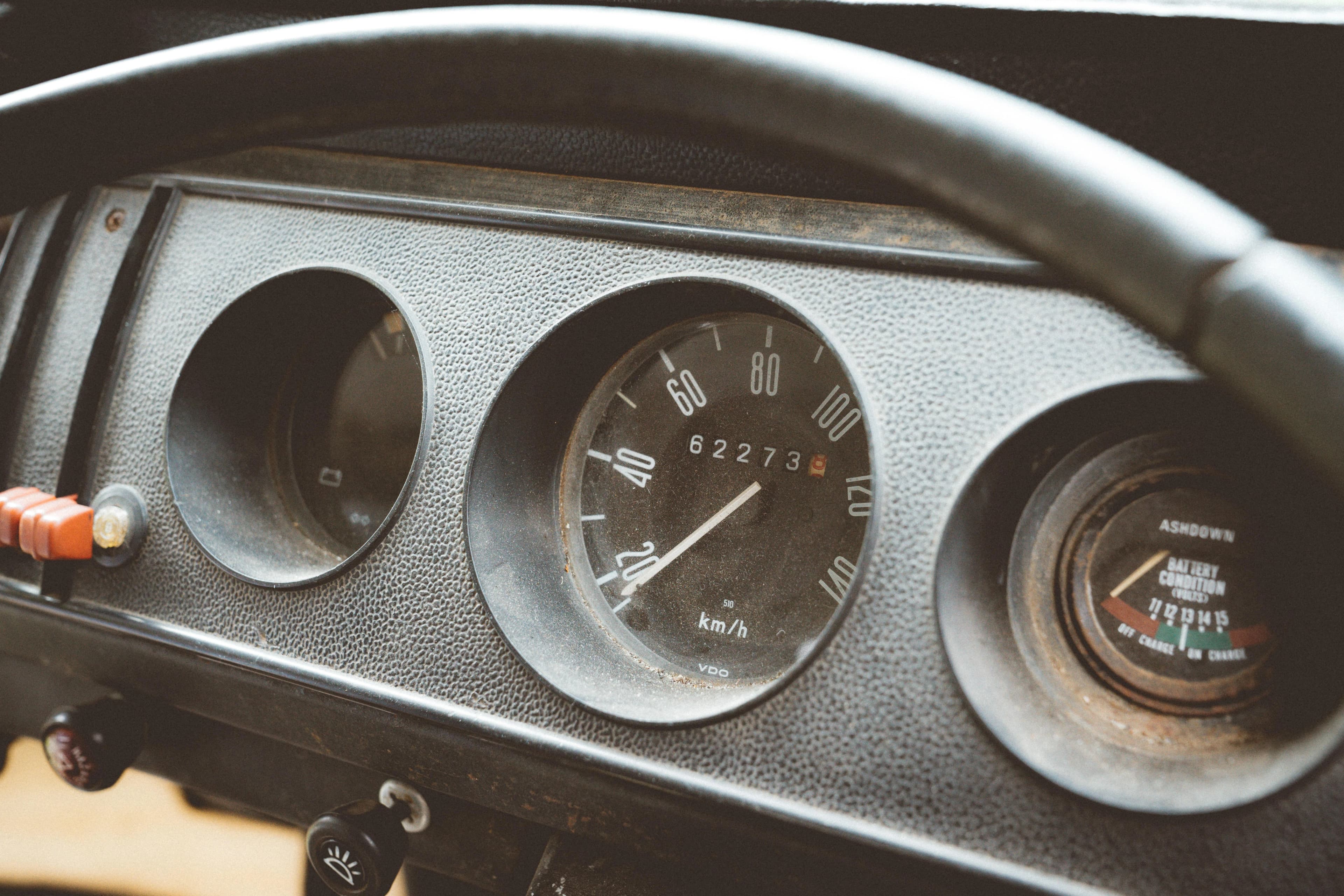
If you grew up watching Ferris Bueller’s Day Off, you remember the panic of trying to roll back the miles on a 1961 Ferrari 250 GT California Spyder. It involved a jack, a brick, and a lot of reverse gear—until Cameron went catatonic and kicked the car through a glass wall. It was a simpler time. It was a mechanical time.
Today, Cameron wouldn’t need a jack. He’d just need a $300 OBD-II dongle he bought off a sketchy website, five minutes of YouTube tutorials, and a lack of moral compass.
According to a terrifying new report released this week by vehicle history data crunchers, odometer rollbacks are absolutely skyrocketing in the United States. We aren't talking about a statistical blip; we are talking about a 14% year-over-year jump, bringing the total number of "clocked" cars on American roads to an estimated 2.5 million. That is roughly the population of Chicago driving around with a lie on their dashboard.
The catalyst for this fraud fest is exactly what you think it is: money. Despite the market cooling slightly from the hyper-inflation of the mid-20s, used car prices remain stubbornly high. The difference between a car with 40,000 miles and one with 80,000 miles can be thousands of dollars—$3,300 on average, to be precise. That is a powerful incentive for unscrupulous sellers to "adjust" the truth.
But the real culprit here isn’t just economic pressure; it’s technology. There was a naive assumption when the industry switched from tumbling mechanical numbers to digital displays that we were making the system more secure. We were wrong. We were so, so wrong.
In the analog days, rolling back an odometer required dismantling the dashboard and physically spinning tumblers. It was invasive, time-consuming, and often left physical evidence—misaligned numbers, scratches on the cluster, or screws that looked like they’d been chewed on by a beaver. Digital odometers? They are just data. And if there is one thing we know about the 21st century, it’s that data is malleable.
The barrier to entry for odometer fraud has collapsed. Inexpensive tools originally designed for legitimate cluster repairs are now widely available, allowing anyone with a pulse to plug into a car’s diagnostic port and type in a new number. It’s cleaner, faster, and leaves no physical scratches. The car’s ECU might know the truth, but the number glowing on the dash says whatever the seller wants it to say.
This is happening most aggressively in states where high-mileage trucks and commuters are common. Montana, Tennessee, and Arkansas are seeing rollback rates spike by nearly 30%. It’s a quiet epidemic because, unlike a flood-damaged car that smells like a wet dog, a rolled-back car drives perfectly fine—until the timing belt snaps at what you thought was 60,000 miles but is actually 120,000.
So, how do you protect yourself when your eyes can’t trust the digital display? You have to look at the data trails that fraudsters can’t easily erase. Service records, registration history, and telematics data often tell a different story than the dashboard. This is where tools like Price360 become essential. While no tool is magic, Price360’s comprehensive vehicle history reports and AI-powered inspection capabilities can help flag discrepancies that a visual check would miss, giving you a fighting chance against the digital Ferris Buellers of the world.
The industry is trying to fight back with blockchain ledgers and cloud-connected odometers, but for the millions of used cars already in circulation, it’s the Wild West out there. The lesson here is grim but necessary: In the digital age, the numbers on the screen are just pixels. Trust the paper trail, not the dashboard.