Ferrari’s New EV Is Basically An iPhone On Wheels, And We Might Actually Love It
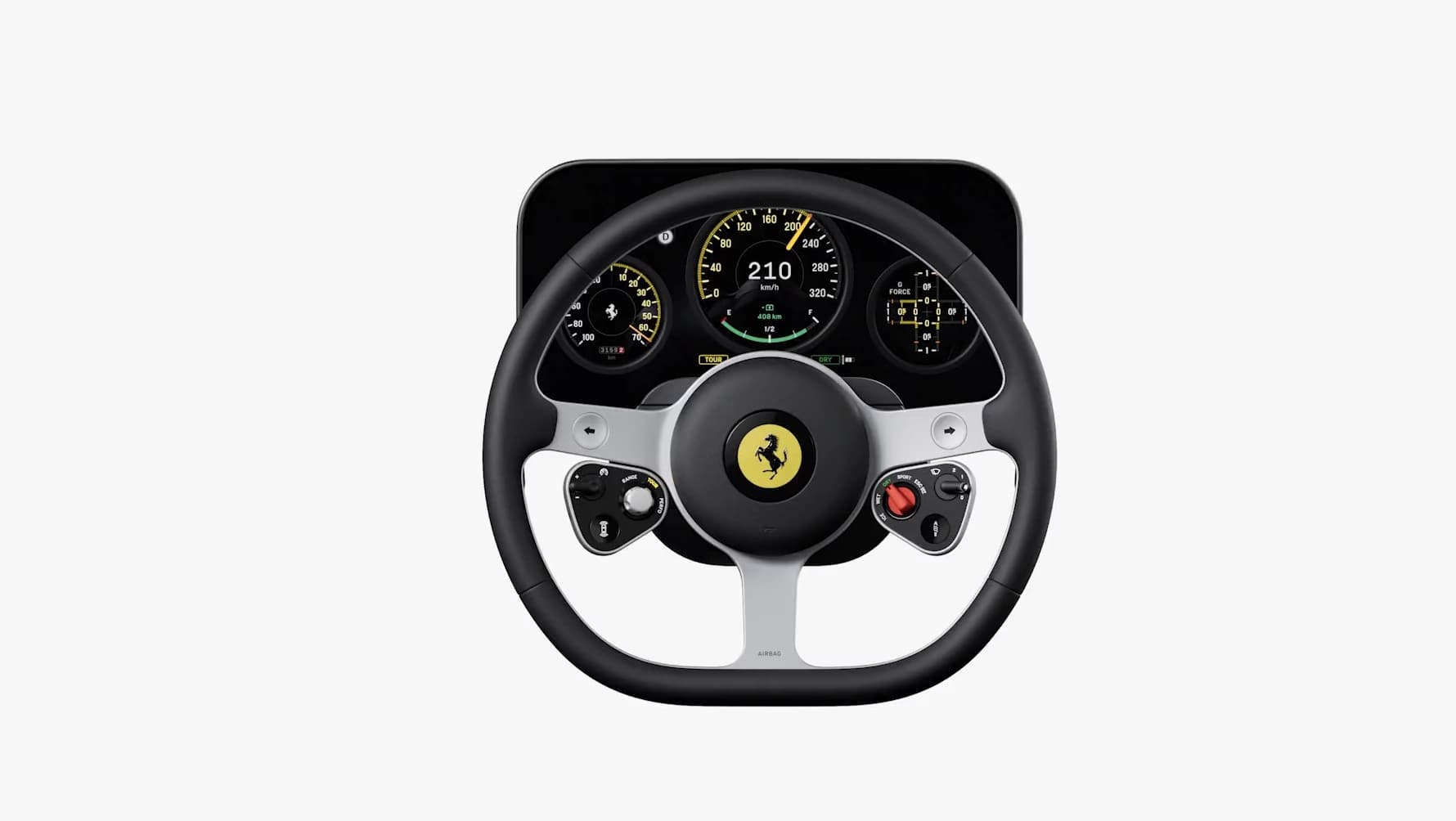
Image Courtesy of Ferrari
There is a terrifying trend sweeping through the automotive world, and it involves replacing perfectly good buttons, knobs, and switches with giant, smudgy glass tablets. It makes sense from a manufacturing standpoint, sure, but it turns the act of adjusting the AC into a dangerous game of menu diving. Ferrari, however, has looked at this trend and said a resounding, passionate no. On February 9, 2026, the Italian supercar manufacturer gave us a glimpse into the future with the reveal of the interior of its first fully electric vehicle, named the Luce.
This was not a solo effort by Maranello. To get this right, Ferrari collaborated with LoveFrom, the creative collective led by none other than Sir Jony Ive, the man responsible for the aesthetic of the iPhone, the iMac, and the unibody MacBook. The result is a cabin that prioritizes tactile feedback and mechanical purity over digital clutter. It is a stunning rebuke to the minimalist, screen-heavy interiors dominating the industry.
The centerpiece of this collaboration is the steering wheel. Rather than loading it with haptic feedback pads that never work quite right, Ive and Ferrari have reimagined the classic three-spoke Nardi wheel from the 1950s and 60s. It is machined from recycled aluminum, making it lighter than a standard wheel, and it features actual, physical buttons designed for Formula One-style functionality. The ignition process is similarly analog, requiring the driver to insert a bespoke physical key into a dock, which triggers a choreographed lighting sequence. While this approach might seem archaic to some, it aligns with a growing sentiment among enthusiast drivers that true luxury is about interaction, not just automation.
The collaboration with LoveFrom also extends to the material choices, which are focused on durability and tactile quality rather than just flashiness. The glass used throughout the interior is Corning Gorilla Glass, scattered in over forty pieces, providing a specific resistance to scratches and smudges that is far superior to standard automotive-grade glass. Ive was on hand to unveil the interior, clearly a little nervous about showing all this for the first time. After five years of working confidentially on this topic, Ive said he was enormously excited and completely terrified to provide our first real glimpse at the Luce.
The Luce will not be cheap; reports suggest a starting price north of $500,000. But for that price, you aren't just getting electric motors and batteries; you are getting a deliberate statement against the homogenization of car design. Ferrari is betting that even in an electric future, drivers will crave the click of a switch and the feel of machined metal under their fingertips.
Ultimately, the design of the Ferrari Luce's interior is a synthesis of meticulous craftsmanship, respect for tradition, and thoughtful innovation. It offers a new choice for Ferrari enthusiasts – one that honours the past while embracing the future, and exemplifies the brand's enduring commitment to quality, performance, and cultural significance. If this is the future of electric supercars, perhaps it is not as bleak as we feared.