Federal Regulators Finally Ask If Hands-Free Highway Cruising Is Making Us Too Dumb To Drive
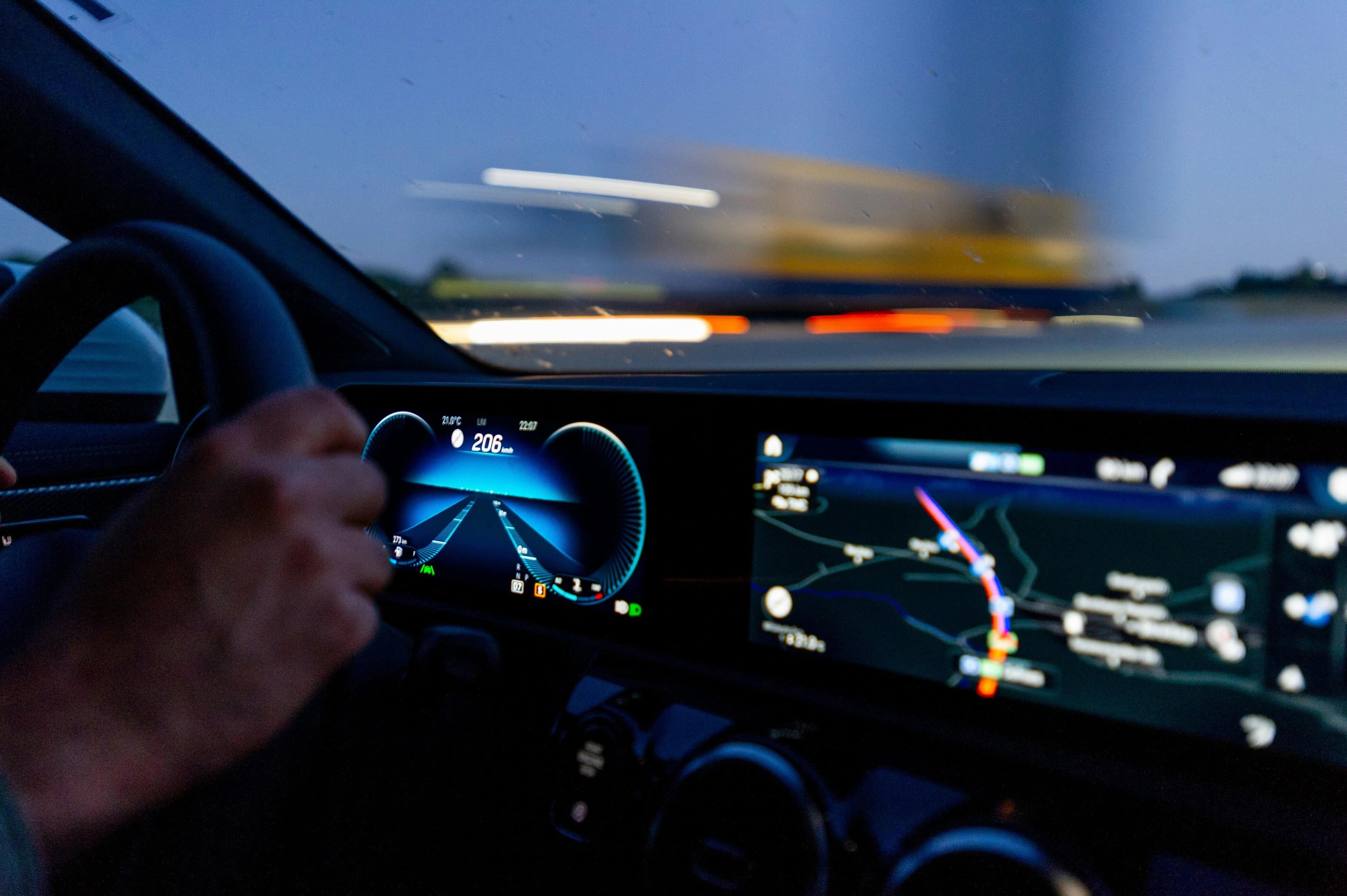
There is a fundamental design flaw in modern semi-autonomous driver assistance systems, and it does not stem from silicon chips or infrared cameras. It comes from human psychology. When you sell someone a shiny new vehicle and tell them it features hands-free driving, they are going to take your word for it. They will take their hands off the wheel, relax their shoulders, and mentally check out while cruising down the interstate at seventy-five miles per hour. That inevitable disengagement is now at the center of a fresh investigation by federal safety regulators, who are taking a hard look at whether current driver monitoring systems and engagement warnings do anywhere near enough to keep distracted humans ready to take over before things go sideways.
The National Highway Traffic Safety Administration has launched a comprehensive inquiry into hands-free highway driving tech, focusing specifically on how these systems handle driver attentiveness. While automakers have spent millions developing eye-tracking sensors and steering wheel torque monitors, regulators are concerned that the warning sequences designed to snap drivers back to reality are far too gentle, far too late, or far too easy to ignore. The core issue is the awkward middle ground of Level 2 automation. The car handles the steering, speed, and lane centering, but the legal responsibility remains entirely on the human in the driver seat. It turns out that asking a human being to sit motionless behind a wheel, act as a backup computer, and maintain laser focus on the highway without actually touching the controls is a recipe for complete mental absence.
Automakers have countered that their systems are explicitly labeled as driver assistance rather than fully autonomous driving. Dashboard displays light up with friendly prompts, steering wheels flash pulsing blue or green LEDs, and subtle chimes sound off whenever driver monitoring cameras detect an eye wandering toward a smartphone or a scenic roadside billboard. However, field data and crash investigations paint a much more complicated picture. In high-speed scenarios, a driver who has been mentally checked out for ten minutes requires several critical seconds to reorient themselves, analyze a sudden road hazard, and physically intervene. When a system disengages rapidly due to faded lane markings, construction cones, or inclement weather, those few missing seconds can mean the difference between a clean lane change and a sudden trip into a guardrail.
The engineering challenge facing manufacturers is balancing safety nags with customer satisfaction. Make the driver monitoring camera too strict, and buyers will complain that their luxury vehicle yells at them every time they check their side mirrors or take a sip of coffee. Make the warnings too lenient, and drivers will happily eat burritos or scroll through social media while trusting the car to navigate heavy traffic. Safety advocates have long argued that capacitive steering wheels and cabin cameras need to enforce much stricter boundaries, potentially shutting down hands-free modes entirely if a driver repeatedly ignores engagement prompts. Manufacturers are caught in a delicate spot, needing to refine their software algorithms without alienating tech-savvy customers who paid thousands extra for the luxury of letting the vehicle handle the morning commute.
Ultimately, the federal probe serves as a reality check for the entire automotive industry. True autonomous driving remains a distant horizon, and until software can reliably handle every unpredictable road event without human intervention, hands-free features are simply advanced cruise control with fancy marketing. Expect future iterations of these systems to feature much louder chimes, brighter dashboard flashes, and far less patience for distracted drivers. Until then, keeping your eyes on the road and your hands near the wheel remains the only reliable way to arrive at your destination in one piece.