Europe's Auto Industry Is Running at 55% Capacity and Pretending Everything's Fine
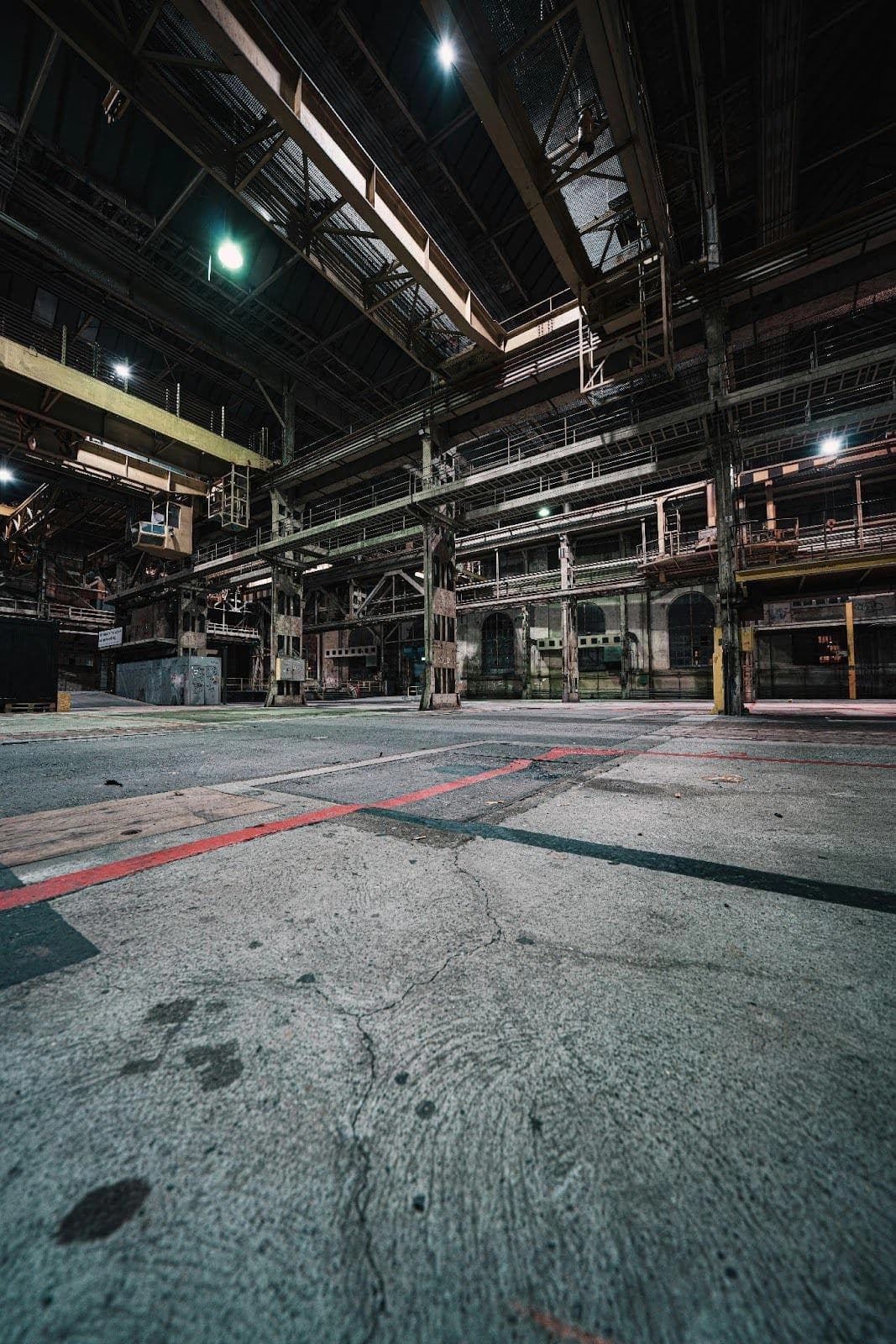
European automotive factories are running at an average of 55% capacity, according to consulting firm AlixPartners, and the situation is deteriorating fast. That's not a typo. Fifty-five percent. Factories designed to build millions of vehicles are sitting nearly half-empty, burning money while executives figure out which plants to shutter and how many tens of thousands of workers to lay off.
The last few weeks have been a masterclass in automotive distress signals. Stellantis announced plans to shut its Vauxhall van factory in Luton, England, putting more than 1,000 jobs at risk. The company has also repeatedly halted assembly operations at its main plant in Mirafiori, Italy, due to low demand for the electric Fiat 500. Ford said it would cut 4,000 jobs across Europe, primarily in Germany and Britain, representing 14% of its European workforce. Bosch plans to eliminate 5,500 jobs globally within its automotive division by 2032. French tire maker Michelin is closing two sites in western France, affecting 1,250 workers.
And then there's Volkswagen, Europe's top carmaker, which is facing what can only be described as an existential crisis. The company agreed in December to cut 35,000 jobs and reduce factory output by almost a quarter in Germany. VW is currently in the process of permanently cutting more than 700,000 units of annual capacity in Germany alone. Production at its all-electric Zwickau plant has been paused for weeks at a time because the company simply can't sell enough EVs to keep the lines running.
AlixPartners predicts that up to eight automotive plants in the EU may face closure in the years ahead. That's not some distant hypothetical. That's plants closing in the next few years because the current situation is unsustainable. Several European facilities are operating with utilization levels below 40%, some below 30%. You can't run a manufacturing business at 30% capacity. The math doesn't work.
What's driving this crisis? Start with weak demand. European car sales are down, and consumers who are buying aren't buying what manufacturers want to sell them. EV sales have fallen short of expectations across the board. Automakers invested billions in electric vehicle production and battery supply chains based on rosy projections about how quickly consumers would embrace EVs. Those projections were wrong.
Chinese competition is hammering European brands on both price and technology. Chinese EV makers can produce high-quality electric vehicles at significantly lower costs, and they're flooding the European market. BYD, Geely, and other Chinese manufacturers aren't just competitive anymore. They're winning. European automakers spent decades building premium brands with premium pricing, and now they're discovering that Chinese companies can deliver similar quality at lower prices while also offering better software and faster innovation cycles.
The EU's aggressive emissions regulations aren't helping. The 2025 CO2 emission rules are forcing automakers to rapidly increase EV production whether there's demand or not, or face massive fines. Bosch CEO Stefan Hartung warned that these rules could cause significant disruptions. He was right. Companies are stuck between regulatory requirements demanding they build more EVs and market realities showing consumers aren't buying enough EVs to justify current production capacity.
Energy costs in Europe remain stubbornly high compared to the United States and Asia, making manufacturing more expensive. Labor costs are also higher, and European regulations are more stringent. All of which puts European automakers at a structural disadvantage against competitors in lower-cost regions.
Some analysts suggest Chinese companies might acquire dormant European plants to bypass EU tariffs or establish production in lower-cost nations like Morocco or Turkey. That would be the ultimate indignity: European automotive plants being bought by Chinese manufacturers who use them to build cars that undercut European brands in their home market.
The situation won't resolve itself. European automakers need to make hard decisions about which plants to close, how many workers to lay off, and whether to continue pushing expensive EV development or pivot back toward hybrids and internal combustion engines that consumers actually want to buy. Whatever they decide, the 55% capacity utilization rate makes one thing clear: the current situation is untenable. Plants will close. Jobs will be lost. The question is how many, and how fast.