Don't Buy a Used EV Without Doing This First

The year is 2026 and the humble odometer has officially been demoted to the role of a secondary character in the high stakes drama of used car buying. For decades, we lived by a simple, if flawed, mantra: lower miles meant a fresher car. We obsessed over whether a vehicle had 30,000 or 60,000 miles as if those numbers alone could tell us if the previous owner treated the engine like a precious heirloom or a shared rental scooter. In the era of the internal combustion engine, mileage was a decent proxy for wear. But as we transition into the electric age, that logic has aged about as well as a lithium-ion cell left in a Phoenix parking lot in July, (not well).
If you are shopping for a used electric vehicle today, you need to stop looking at the dashboard and start looking at the chemistry. The soul of an EV is its battery pack, and unlike a piston engine that usually either works or does not, a battery is a living, breathing, slowly decaying organism. In 2026, a used EV with 80,000 miles might actually be a better buy than one with 20,000 miles if the former was pampered with Level 2 charging and the latter was tortured with daily DC fast-charging sessions to 100 percent. The only way to know the difference is to demand a Battery Health Report.
The Rise of the Battery Passport
We have reached a tipping point where transparency is no longer a luxury for the nerds with OBD2 dongles. New regulations, particularly those spearheaded in California and the European Union, have mandated that 2026 model year vehicles must provide clear, consumer-facing indicators of battery health. This is the era of the Battery Passport. It is a digital record that follows the car, documenting its state of health (SOH) and ensuring that when you sign that bill of sale, you aren't buying a $30,000 paperweight.
The State of Health is the metric that matters most. It is expressed as a percentage of the battery's original usable capacity. If a car had a 100 kWh battery when it rolled off the assembly line and it now holds a maximum of 90 kWh, its SOH is 90 percent. This sounds simple, but until recently, manufacturers treated this data like a state secret. They would give you a range estimate, which is often a guess based on recent driving habits, but they wouldn't tell you the actual physical condition of the cells. In 2026, that wall of silence has crumbled.
Decoding the Jargon: SOH is Not SOC
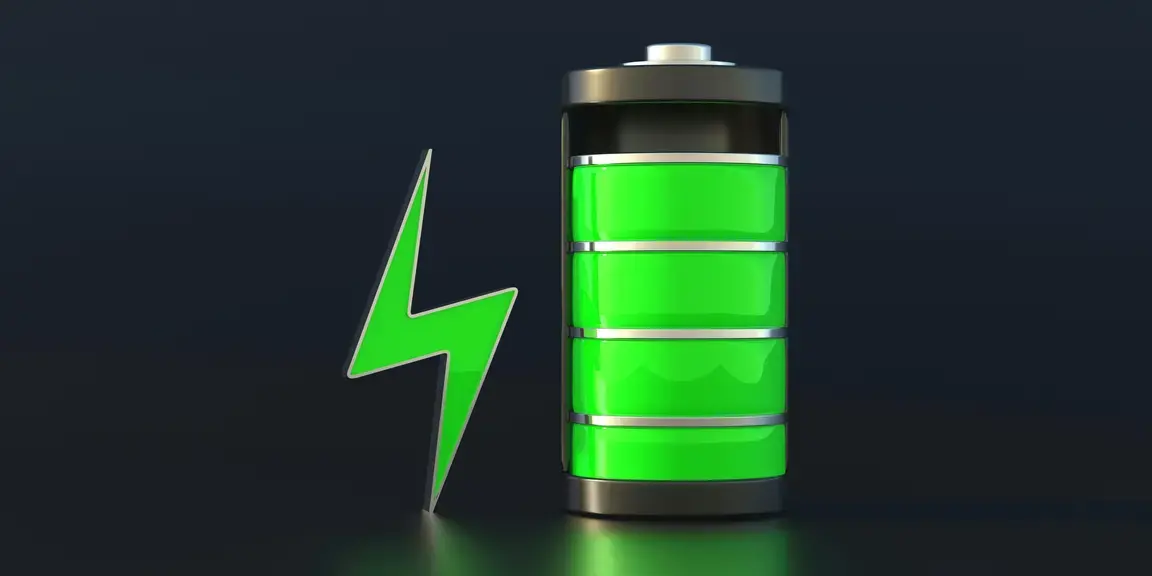
Before you walk onto a lot and start demanding data, you must understand the difference between State of Health (SOH) and State of Charge (SOC). Think of SOC like the fuel gauge in a traditional car. It tells you how much juice is in the tank right now. SOH, however, tells you how big the tank actually is today compared to when it was new.
You can have a car sitting at 100 percent SOC (a full tank) that only has an 80 percent SOH. In enthusiast terms, this is like having a fuel tank that has slowly filled with silt over the years. You can still fill it to the top, but the top is much lower than it used to be. Buying a used EV without an SOH report is like buying a gas car where the gas tank might be half the size it was last year, and the only way to find out is to run out of fuel on the freeway.
How to Demand the Data
If a dealership tells you they do not have a battery health report, they are either lying or they are behind the times. By 2026, major players in the space have standardized these reports. Third-party services like Recurrent and Recharged have become the Carfax of the battery world. They plug into the vehicle's telematics or use a physical diagnostic tool to pull real-time data on cell voltage balance, temperature history, and charge cycles.
When you are looking at a listing, look for the badge that says Verified Battery Health. If it isn't there, ask for it. If the salesperson looks at you like you are speaking a forgotten dialect of Latin, remind them that the battery represents roughly 40 percent of the vehicle's total value. You wouldn't buy a house without an inspection, and you shouldn't buy an EV without a chemistry grade.
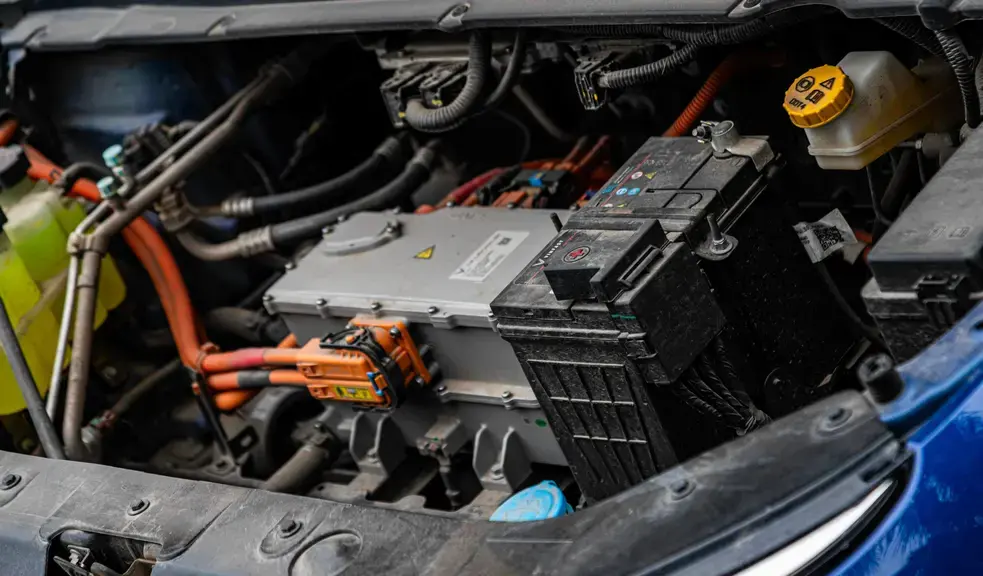
For the more hands-on enthusiast, you can take matters into your own hands. A $30 Bluetooth OBD2 dongle and an app like LeafSpy or a generic EV diagnostic tool can give you a wealth of information in seconds. You are looking for more than just a single percentage. You want to see if the individual cells are balanced. If most cells are at 4.1 volts but one or two are significantly lower, you are looking at a pack that might have a premature failure in its future.
Reading the Report: What Is a Passing Grade?
So you have the report in your hand. What do the numbers actually mean? In 2026, the data shows that most EV batteries are remarkably resilient. A typical four-to-five-year-old EV should sit somewhere between 90 and 95 percent SOH. If you see a number in that range, the car has been treated well.
If the number is between 80 and 85 percent, you are looking at a car that was likely used as a high-mileage commuter or lived in a very hot climate like Phoenix or Las Vegas. Heat is the natural enemy of lithium-ion chemistry. While an 85 percent SOH is not a dealbreaker, it should be reflected in the price. You are essentially buying a car with 15 percent less range than the sticker says, and you should pay 15 percent less accordingly.
The real danger zone is 70 percent. Most manufacturers offer a battery warranty that guarantees the pack will stay above 70 percent for eight years or 100,000 miles. If you see a car flirting with that 70 percent line, you are looking at a potential warranty claim. While a free battery replacement sounds like a win, the headache of dealing with a service department for a month might not be worth the discount.
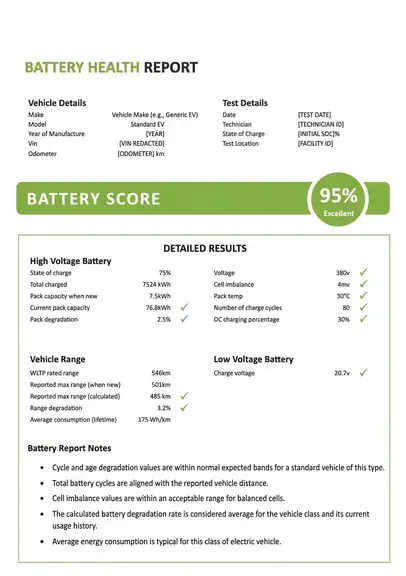
The Myth of the Low-Mileage Gem
This is where the enthusiast brain needs to recalibrate. In the world of internal combustion, a ten-year-old car with 5,000 miles is a unicorn. In the world of EVs, that same car might be a disaster. Batteries do not like to sit at 100 percent charge in a garage for months on end. This causes a phenomenon called chemical stress that can degrade the SOH faster than actually driving the car.
Recent studies from 2026 have confirmed that high-mileage fleet EVs often have healthier batteries than low-mileage personal cars. Constant use keeps the electrons moving and the thermal management systems active. A Tesla Model 3 used for ride-sharing that was charged daily from 20 to 80 percent might have a 92 percent SOH at 100,000 miles. Meanwhile, a weekend toy that was left plugged in at 100 percent in a hot garage might be at 88 percent with only 10,000 miles.

The Future of Resale: Transparency Wins
As the market for used EVs matures, the SOH report will become the ultimate arbiter of value. We are already seeing dealerships adjust their trade-in offers based on these reports. A car with a 98 percent SOH is a Premium Certified vehicle, while one at 82 percent is sent straight to the wholesale auction.
For the consumer, this is actually great news. It removes the mystery and the fear that has kept many people from going electric. You no longer have to wonder if the previous owner was a fast-charge addict who lived at Electrify America stations. The data is right there in black and white.
Demand the report. Read the cells. Ignore the odometer. In 2026, the best way to tell if a car is a lemon is to check the chemistry, not the carpet. Being informed is the only way to ensure your electric future doesn't end in a very expensive tow.