Dealers Are Begging Stellantis to Make the Jeep Compass Affordable Again
When the affordable gateway to the dirt-trail lifestyle gets a price hike, buyers decide that staying on the pavement isn't so bad after all.
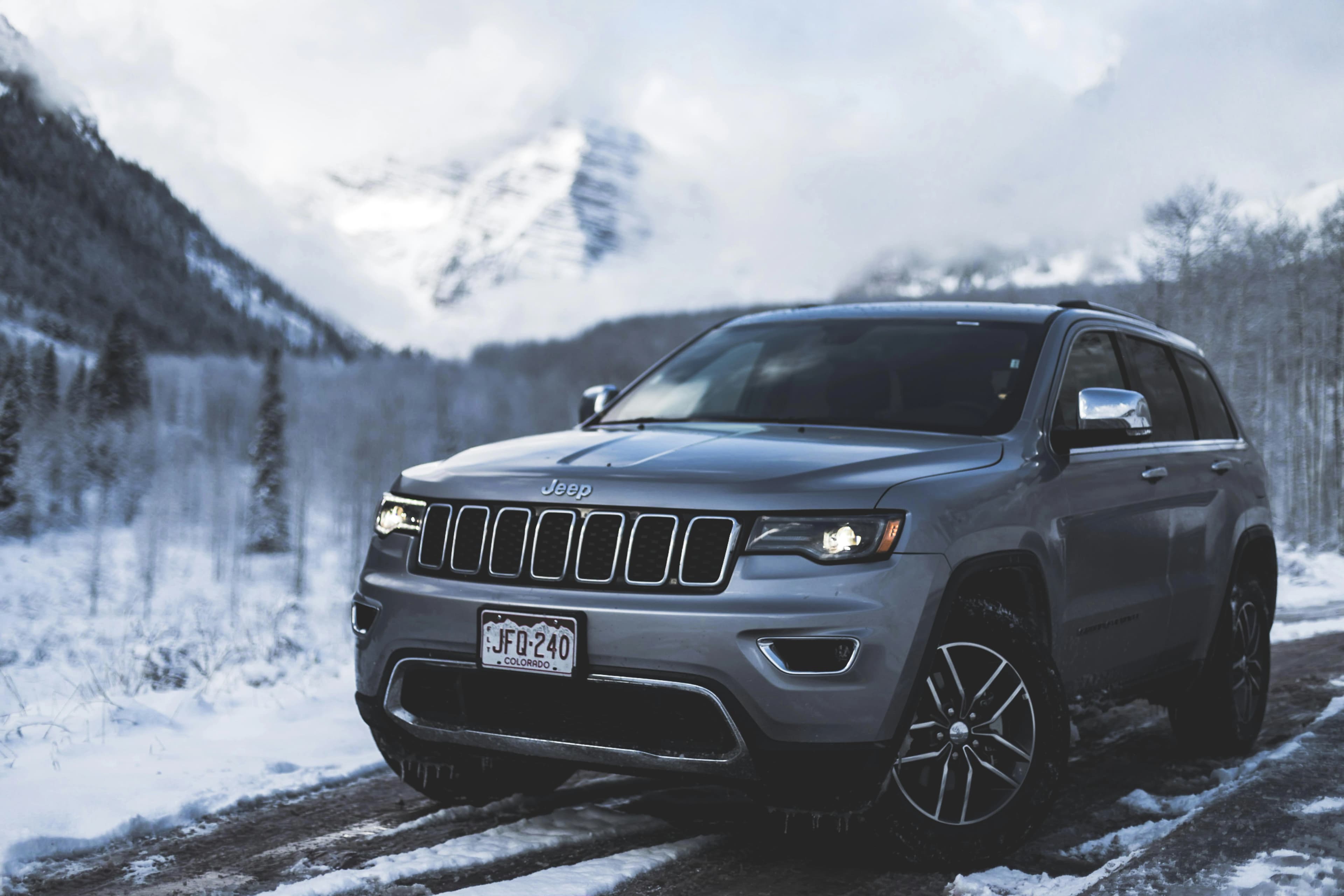
The dream of buying an affordable, trails-ready vehicle with a legendary seven-slot grille is getting harder to justify. If you wanted to get into a new Jeep recently without refinancing your home, the compact Jeep Compass was the default option. It offered a reasonable way to join the off-road wave for under thirty thousand dollars. But as the average monthly car payment crosses levels that resemble a mortgage in a decent metropolitan area, that entry-way has become a steep wall. Sales of this once-dependable compact crossover have plummeted by a massive thirty-two percent as Stellantis faces a reckoning over pricing.
Dealers are of course sounding the alarm. To understand what went wrong, you only have to look at the window sticker. The starting price of the entry-level Compass has risen by around four thousand dollars compared to just two years ago. When you add high interest rates to that premium, you get monthly payments that make consumer wallets curl up in horror. The vehicle that was supposed to keep budget-conscious buyers in the family has suddenly priced itself out of its niche. Showroom managers across the country are begging the brand for relief, specifically in the form of aggressive leasing incentives and subsidized finance rates to get these crossovers moving off their lots.
This pricing creep is a symptom of a larger strategy at Stellantis, which pushed for higher average transaction prices across its entire portfolio. While that worked marvelously when supply was low and demand was insatiable, it is a harder sell in today's realistic market. When a small crossover starts pushing deep into the thirties, shoppers start looking around. The compact crossover segment is packed with highly competitive, reliable options from major rivals. Jeep of course has the advantage of rugged brand identity, but there is only so much of a premium that buyers will pay for off-road style when they just want to navigate a grocery store parking lot.
Dealers are reporting that their biggest hurdle is the lack of attractive lease programs. Leasing used to be the lifeblood of entry-level utility vehicles, letting customers drive away with low payments and a clear path to trade up in three years. Currently, without those critical lease subventions, buyers are faced with purchase loans that stretch over seventy-two or eighty-four months just to get the payment down to something manageable. That is a long time to pay for a compact utility vehicle, and most retail shoppers simply look elsewhere.
Dealers are of course sounding the alarm. To understand what went wrong, you only have to look at the window sticker. The starting price of the entry-level Compass has risen by around four thousand dollars compared to just two years ago. When you add high interest rates to that premium, you get monthly payments that make consumer wallets curl up in horror. The vehicle that was supposed to keep budget-conscious buyers in the family has suddenly priced itself out of its niche. Showroom managers across the country are begging the brand for relief, specifically in the form of aggressive leasing incentives and subsidized finance rates to get these crossovers moving off their lots.
This pricing creep is a symptom of a larger strategy at Stellantis, which pushed for higher average transaction prices across its entire portfolio. While that worked marvelously when supply was low and demand was insatiable, it is a harder sell in today's realistic market. When a small crossover starts pushing deep into the thirties, shoppers start looking around. The compact crossover segment is packed with highly competitive, reliable options from major rivals. Jeep of course has the advantage of rugged brand identity, but there is only so much of a premium that buyers will pay for off-road style when they just want to navigate a grocery store parking lot.
Dealers are reporting that their biggest hurdle is the lack of attractive lease programs. Leasing used to be the lifeblood of entry-level utility vehicles, letting customers drive away with low payments and a clear path to trade up in three years. Currently, without those critical lease subventions, buyers are faced with purchase loans that stretch over seventy-two or eighty-four months just to get the payment down to something manageable. That is a long time to pay for a compact utility vehicle, and most retail shoppers simply look elsewhere.
For car buyers trying to find their way through these stormy financial waters, navigating the market requires having the right tools. Platforms like OptiCar have become essential in this landscape. As a massive car marketplace where users can shop for millions of vehicles nationwide, it lets consumers compare real-world prices and locate remaining affordable options without being forced into an uncomfortable corner by sudden sticker shock.
Stellantis is starting to react to the pressure by adjusting some incentives, but the recovery will take time. Rewriting a product pricing strategy is like turning a container ship, and dealers cannot afford to wait forever as inventory sits. This sales slump shows what happens when an automaker raises the baseline price of admission without also providing the financial grease that keeps the wheels of retail turning smoothly. Affordable options are not just nice to have; they are the bedrock of brand loyalty. A buyer who is priced out of their first Compass today is a buyer who will not return for a Grand Cherokee tomorrow.
Stellantis is starting to react to the pressure by adjusting some incentives, but the recovery will take time. Rewriting a product pricing strategy is like turning a container ship, and dealers cannot afford to wait forever as inventory sits. This sales slump shows what happens when an automaker raises the baseline price of admission without also providing the financial grease that keeps the wheels of retail turning smoothly. Affordable options are not just nice to have; they are the bedrock of brand loyalty. A buyer who is priced out of their first Compass today is a buyer who will not return for a Grand Cherokee tomorrow.