Congress Might Make It Illegal for Chinese Cars to Even Touch Public Roads
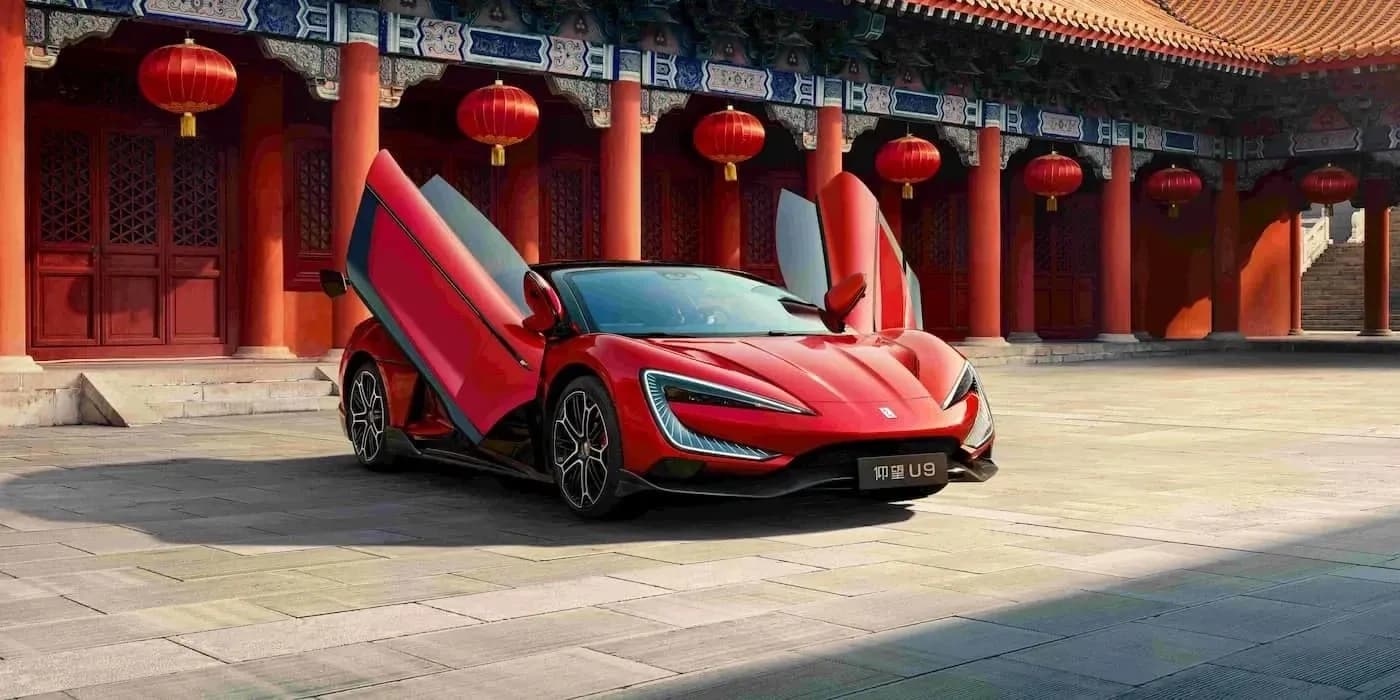
Image courtesy of BYD
The ongoing trade tug-of-war between Washington and global automotive manufacturers just received a massive injection of high-stakes drama. A new bill introduced in Congress proposes a sweeping, unprecedented measure that goes far beyond standard economic penalties. Instead of merely raising tariffs to discourage sales, this piece of legislation aims to completely ban Chinese-manufactured and Chinese-branded vehicles from physically driving on public roads within the United States. It represents a total physical lockout, transforming what was once a strictly financial trade dispute into a matter of concrete infrastructure defense.
The driving force behind this dramatic legislative push centers entirely on data privacy and national security. Modern automobiles are no longer just mechanical configurations of steel, rubber, and glass. They have evolved into highly sophisticated, interconnected rolling smartphones equipped with an array of external cameras, radar, ultrasonic sensors, and advanced global positioning systems. Lawmakers are increasingly anxious that the massive streams of data harvested by these vehicles, ranging from real-time mapping of American streets to biometric user data, could potentially be transmitted back to foreign servers. By blocking these vehicles from operating on public tarmac, the bill seeks to establish a hard digital and physical perimeter around domestic infrastructure.
If passed, the operational implications of this bill would be absolute. It would mean that even if an individual enthusiast managed to legally import a Chinese vehicle under specific historical exemptions, or if a global automotive supplier brought a fleet over for private engineering evaluation, those vehicles could never legally spin their tires on public roads. The restriction effectively treats these cars as rolling security hazards, requiring them to stay confined strictly to private property or closed testing tracks. This creates an incredibly stark barrier for any foreign manufacturer hoping to slowly establish a footprint in the North American market.
This aggressive move highlights a growing trend that analysts are calling the fortress america approach to automotive policy. While regions like Europe and Australia are seeing an influx of highly affordable, tech-heavy electric vehicles from overseas brands, the United States is actively building a regulatory wall to insulate its domestic market. This strategy certainly offers a protective shield for legacy American automakers and local dealership networks, giving them more room to develop their own platforms without being undercut on price. However, industry insiders warn that such intense isolation could eventually disconnect American consumers from global design trends and fast-paced technological innovations occurring elsewhere in the world.
For everyday car shoppers trying to make sense of this rapidly shifting landscape, finding a reliable path forward is becoming a bit of a geopolitical puzzle. With regulatory rules changing by the day, sticking to verified, domestic-market vehicles is the safest bet to avoid future compliance headaches. If you are trying to navigate this complex environment with confidence, using a trusted national marketplace like OptiCar allows you to browse millions of vetted vehicles that are fully compliant with local laws, ensuring your next automotive investment stays firmly on the right side of the road.
Legacy manufacturers are also watching the progress of this bill with a mixture of caution and anxiety. Many traditional automakers maintain complex global supply chains and joint research ventures that cross international borders. Completely untangling these deep corporate relationships to ensure that no sub-components or software elements trigger a public road ban is a monumental task for automotive compliance teams. The industry is forced to weigh the short-term benefits of domestic market protection against the long-term challenges of operating in a highly fragmented global economy.
Ultimately, this bill still faces a lengthy journey through the traditional halls of committee reviews and legislative debates before it can become official law. The sheer audacity of the proposal signals that the conversation surrounding automotive manufacturing has fundamentally shifted from consumer preference to national policy. The American highway system is increasingly viewed as a closed ecosystem, and the era of the truly borderless global car market is facing its toughest roadblocks yet.