Congress Is Suddenly Worried That Mandating Expensive Tech Makes Cars Expensive
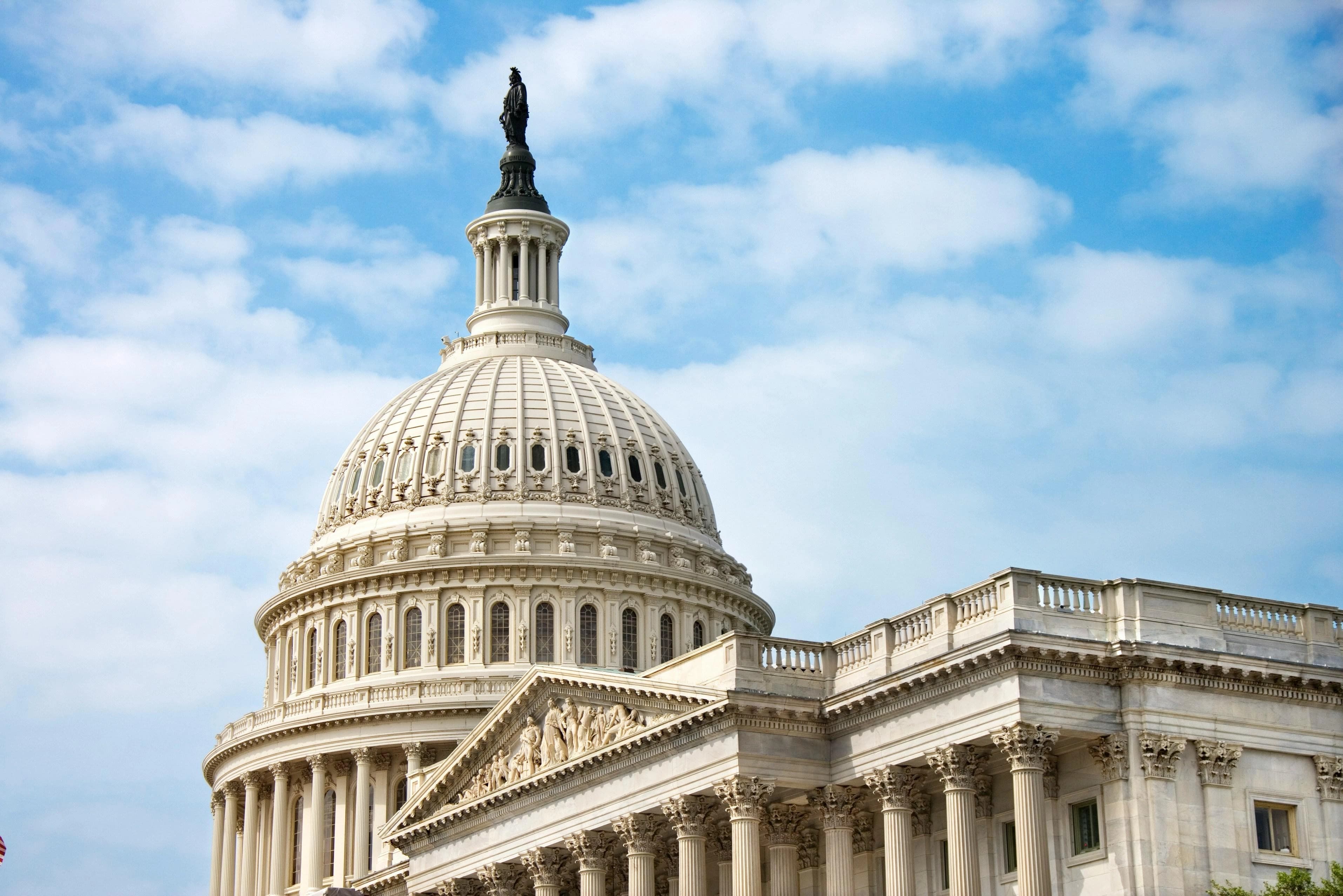
It is a conversation that car enthusiasts and budget-conscious shoppers have been having at the pub for years, but it seems the United States Senate has finally decided to join the chat. A hearing is being teed up on Capitol Hill to examine a question that feels overdue: Are federal safety mandates pushing the price of a basic automobile out of reach for the average American family?
We all want safe cars. Nobody is arguing for a return to the days when "crumple zone" meant "your knees" and the steering column was essentially a spear aimed at your chest. But the affordability crisis in the automotive market is real, and lawmakers are starting to wonder if the endless list of mandatory—or effectively mandatory—tech is to blame. We are talking about Automatic Emergency Braking (AEB), lane-keeping assists, rear-seat reminders, and the sensor suites required to run them.
The friction here is palpable. On one side, you have the safety advocates and the National Highway Traffic Safety Administration (NHTSA), armed with crash-reduction data that is genuinely hard to argue with. AEB saves lives; rear-seat reminders prevent tragedies. These are facts. But on the other side, you have the automakers and now, apparently, the Senate Commerce Committee, looking at the bottom line. When you mandate that every economy car must have a forward-facing camera, a radar sensor, and the computing power to process that data in milliseconds, you are effectively killing the $20,000 car.
The hearing is expected to dive into the "cost-benefit" ratio of these technologies. It’s one thing to mandate seatbelts and airbags. It’s another to mandate complex active safety systems that require calibration if you so much as sneeze on the bumper. The automakers are caught in a classic "rock and a hard place" scenario. If they don't include the tech, they get slammed by safety ratings (looking at you, IIHS Top Safety Pick criteria) and scrutinized by regulators. If they do include it, the MSRP creeps up, and suddenly the "entry-level" crossover costs as much as a 3-series did ten years ago.
There is also the nuanced discussion of "tech bloat." Are we paying for safety, or are we paying for systems that just annoy us? We have all driven a car that panics at a shadow or tries to wrestle the steering wheel away because the lane lines on a construction site are confusing. If the Senate actually digs into this, they might find that consumers are paying a premium for systems they turn off the second they leave the dealership lot. That is the definition of economic inefficiency.
This scrutiny comes at a critical time. Interest rates are still making loans painful, and wage growth hasn't exactly kept pace with the sticker shock on dealer lots. If the government keeps adding requirements—no matter how well-intentioned—without considering the cumulative cost, we risk a future where new cars are purely a luxury good.
The automakers, for their part, will likely argue that they need flexibility. They will say that innovation drives safety down in cost over time, but mandates force expensive implementation before the tech has commoditized. It is a valid point. Remember when ABS was a luxury feature? Now it’s cheap and ubiquitous. The hope is that cameras and radar will follow the same curve, but we aren't there yet.
Ultimately, this hearing probably won't result in a rollback of safety standards—politics rarely moves in reverse on safety. But it might force a "pause" or a re-evaluation of the timeline for future mandates. If it makes lawmakers pause before demanding that every 2028 Kia Rio comes with military-grade night vision, maybe that’s a win for the consumer’s wallet. Until then, keep an eye on that window sticker, and maybe check how much that replacement bumper sensor costs before you buy.