Chip Truce Saves the Assembly Line
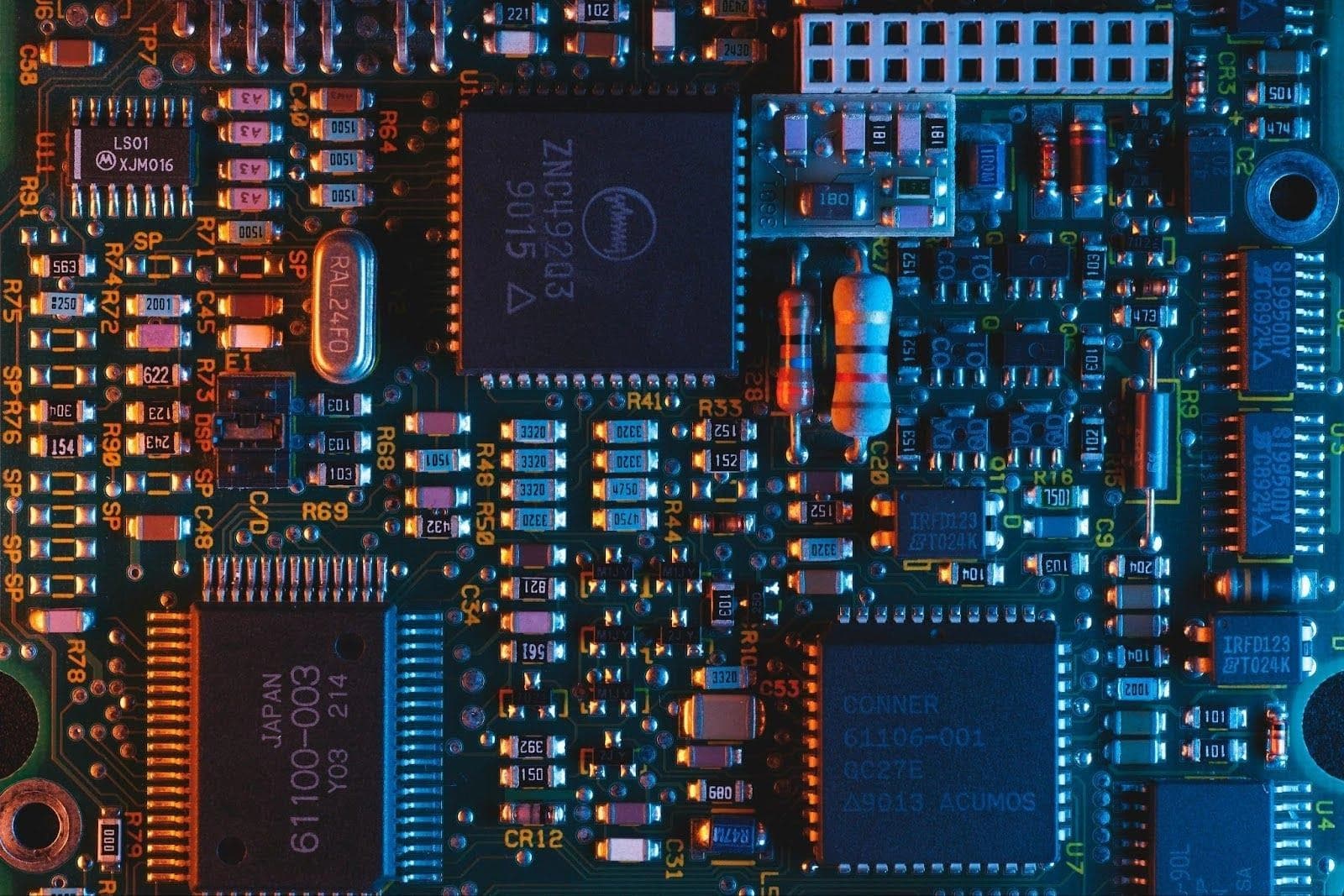
If you felt a sudden loosening in your shoulders this week, you weren’t alone. Automakers on both sides of the Atlantic exhaled after word that Nexperia—the Dutch chipmaker owned by China’s Wingtech—can ship again, at least for now. For the uninitiated, Nexperia doesn’t make glamorous silicon. It makes the unsexy, cheap, absolutely essential bits: power management chips, diodes, microcontrollers. The screws and nails of modern cars. When the Dutch government seized control of the company in late September, China slammed the export door. Plants from Puebla to Wolfsburg started counting inventory in days, not weeks. That’s how quickly these small parts can stop big factories
The reprieve arrived via geopolitics. Washington and Beijing cut a narrow deal that exempts Nexperia’s shipments for civilian goods, with China issuing special export permits on a case‑by‑case basis. Volkswagen’s China chief confirmed chips are moving again, and European suppliers say they’re seeing boxes on trucks, not just promises in press releases. It isn’t a victory parade, though. The arrangement is temporary, fragile, and wrapped in enough caveats to fill a legal pad. If talks sour, the faucets can turn off just as fast.
Why should car shoppers care? Because this is the kind of supply‑chain hiccup that silently messes with your life six weeks later. Without the basic chips that control windows, wipers, and battery management, automakers start deleting features or building “chip‑hold” cars that sit half‑finished in stadium lots. Dealer inventory gets weird. Prices creep up on trims that happen to be buildable. Incentives disappear for models with parts bottlenecks. In other words, 2021 déjà vu—but this time we caught it early.
There’s a second‑order effect, too: planning. Product teams live by predictable lead times. If a Tier‑2 supplier can’t swear a $0.42 component will exist in February, engineers hedge. They design expensive workarounds, cut content, or delay launches. Multiply that by hundreds of parts and the cost curve goes north. Consumers eventually pay for the instability, even if the headlines read “chips flowing.”
Still, some perspective. Nexperia isn’t TSMC; it’s one piece of a sprawling puzzle. The broader semiconductor picture is healthier than it was during the pandemic crunch. Automakers now dual‑source more parts, carry a bit more inventory, and in a few cases bought into chip capacity the way airlines lock up jet engines. That’s progress you can measure in fewer parking lots full of half‑built SUVs.
The question is whether a “one‑year exemption” on exports becomes a trampoline or a trap. If companies use the breathing room to diversify and qualify alternates, we could look back on this as the near‑miss that accelerated supply‑chain adulthood. If they treat it as a magic fix, the next diplomatic squall puts us right back on the edge. For now, assembly lines keep humming, suppliers stop doom‑scrolling, and shoppers won’t notice anything—yet. That’s the quiet best‑case outcome: nothing dramatic happens. Which, in the car business, can be downright thrilling.