Chinese EVs Are Taking Over South America While Tesla Watches From California
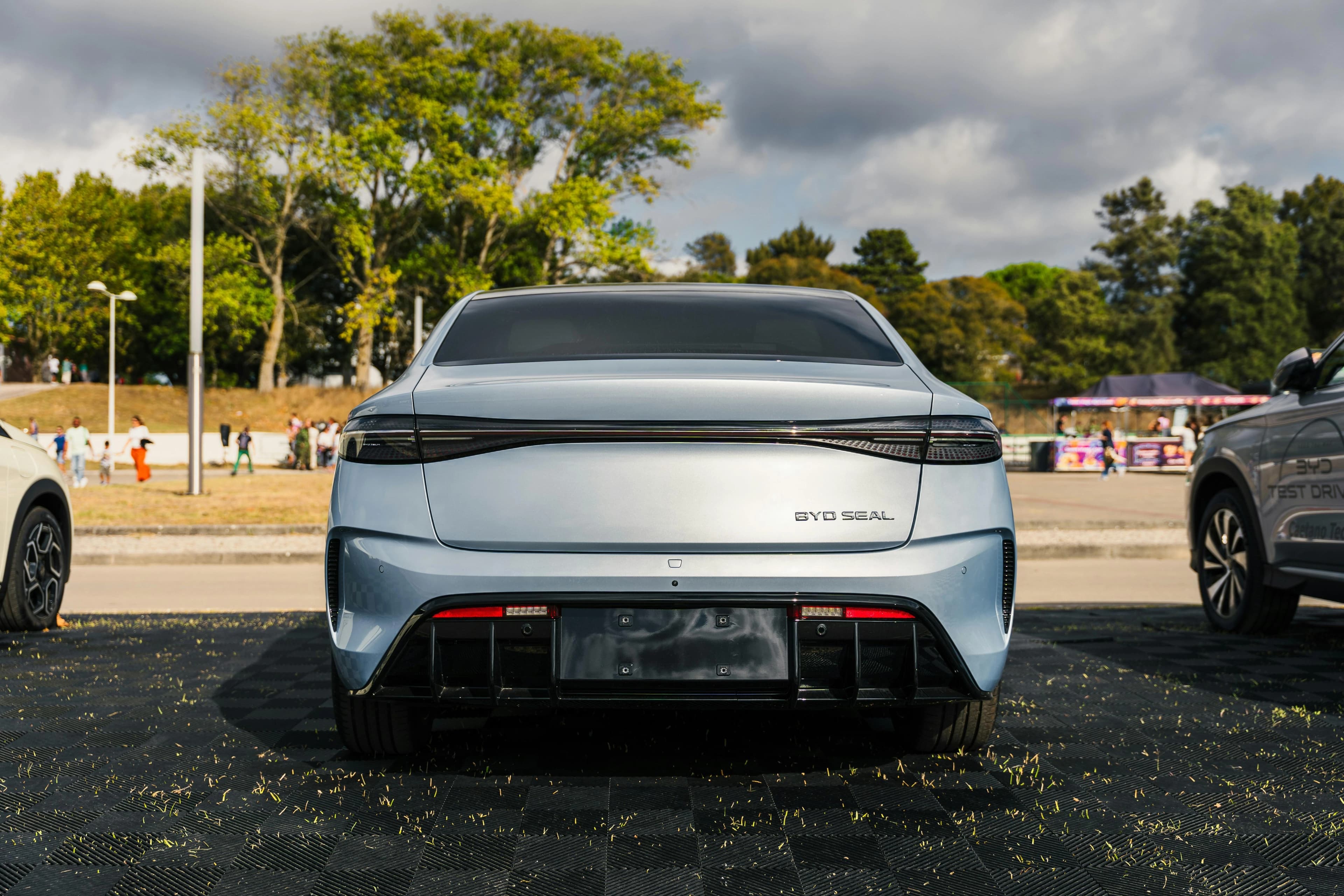
Here's a story that should make American automakers extremely uncomfortable: South America's EV market is exploding, and Chinese manufacturers are the ones reaping all the benefits. We're talking BYD, Geely, Chery, GWM, and a whole alphabet soup of brands that most North Americans have never heard of. They're opening dealerships across the continent, offering EVs at 60 percent of Tesla's prices, and building the kind of market share that will be nearly impossible to dislodge later. Meanwhile, Tesla doesn't even have official dealerships in most South American countries. Bold strategy.
The numbers tell a remarkable story of rapid transformation. EV market share hit 10.6 percent in Chile, 9.4 percent in Brazil, and a stunning 28 percent in Uruguay during recent months—all record highs. For context, Uruguay's EV adoption rate is now higher than most U.S. states. Chinese brands aren't just succeeding in the EV segment either; they're dominating total vehicle sales. In Uruguay, BYD is now the third-largest automaker overall, trailing only Chevrolet and Hyundai. In Chile, Chinese brands captured nearly 30 percent of all passenger car sales in the first quarter alone.
The secret weapon enabling this Chinese invasion is the Port of Chancay in Peru. China built this massive deepwater facility specifically to facilitate trans-Pacific shipping, and it's working exactly as intended. The port has halved shipping times from Asia to South America, turning Peru into a distribution hub for Chinese vehicles heading to Chile, Ecuador, Colombia, and beyond. In July alone, over 3,000 cars arrived at Chancay, up from 839 in January. That's not gradual growth—that's a flood. And those vehicles are spreading across the continent faster than American manufacturers can figure out their South American strategy.
The pricing advantage is absolutely brutal for Western competitors. BYD's entry-level EVs start around $19,000 in Uruguay and $22,000 in Brazil. That's roughly 60 percent of what a comparable Tesla would cost, assuming you could actually find a Tesla to buy. Chinese manufacturers are also partnering with local banks to offer competitive financing that makes monthly payments accessible to middle-class buyers. They're tailoring models to regional preferences, building out dealership networks, and generally doing all the basic groundwork that American automakers should have been doing years ago.
Brazil presents a particularly interesting case study. It's South America's largest car market, and Chinese brands now control over 80 percent of EV sales there. BYD opened a manufacturing plant in Bahia at a former Ford facility—the symbolism is not subtle—and Great Wall Motors took over an old Mercedes-Benz factory near São Paulo. These aren't just import operations; Chinese automakers are building local production capacity to benefit from tariff advantages and support regional markets. That's a long-term commitment that signals they're not planning to leave anytime soon.
The Brazilian government has responded to the Chinese onslaught by reinstating import duties that will climb to 35 percent by July 2026. Labor unions are complaining that Chinese imports threaten local jobs. Industry groups are demanding protections. But the damage is already done—Chinese brands have established themselves as legitimate players offering quality products at compelling prices. Even with higher tariffs coming, their local production facilities will help them maintain competitive pricing while creating the local jobs that critics say imports threatened.
What's particularly galling for American automakers is that this was entirely predictable. South America has been an underserved market for EVs, with limited charging infrastructure and few affordable options. Chinese manufacturers identified that gap and filled it aggressively while American brands were focused elsewhere. Now we're seeing the consequences play out in real-time. When the R2 arrives in 2026 and American manufacturers finally get serious about affordable EVs, they'll be entering South American markets where Chinese brands already dominate mindshare and have extensive dealer networks established.
The implications for North American markets are obvious and uncomfortable. Chinese automakers are using South America as a proving ground for the kind of market penetration they'd love to achieve in the United States and Canada. They're learning what works, refining their dealer networks, improving their vehicles based on real-world feedback, and building the operational expertise needed to compete globally. The trade barriers that currently keep Chinese EVs mostly out of North America won't last forever. And when those barriers eventually come down—either through trade agreements or political pressure—Chinese manufacturers will arrive with years of experience selling in competitive Western Hemisphere markets.
The price pressure alone should worry American automakers. If Chinese brands can profitably sell EVs for $20,000-25,000 in South America and still make money, what does that say about the cost structures of American manufacturers? Ford and GM keep insisting they need to charge $40,000-plus for electric crossovers to achieve profitability, while Chinese competitors are delivering similar functionality for 40 percent less. Either Chinese automakers have figured out something fundamental about EV manufacturing efficiency, or they're subsidizing aggressive market entry with the expectation of making profits later. Either scenario is problematic for Detroit.
The South American EV boom is ultimately a cautionary tale about the dangers of ignoring emerging markets. Chinese manufacturers saw an opportunity, moved aggressively, and are now reaping the rewards while Western brands scramble to catch up. Those affordable Chinese EVs gaining market share from Santiago to São Paulo represent the future of global automotive competition—and right now, Chinese brands are winning decisively. American automakers better figure out their response quickly, because the competition isn't waiting around for anyone to catch up.