Chinese EV Maker Leapmotor Is Coming for Global Markets
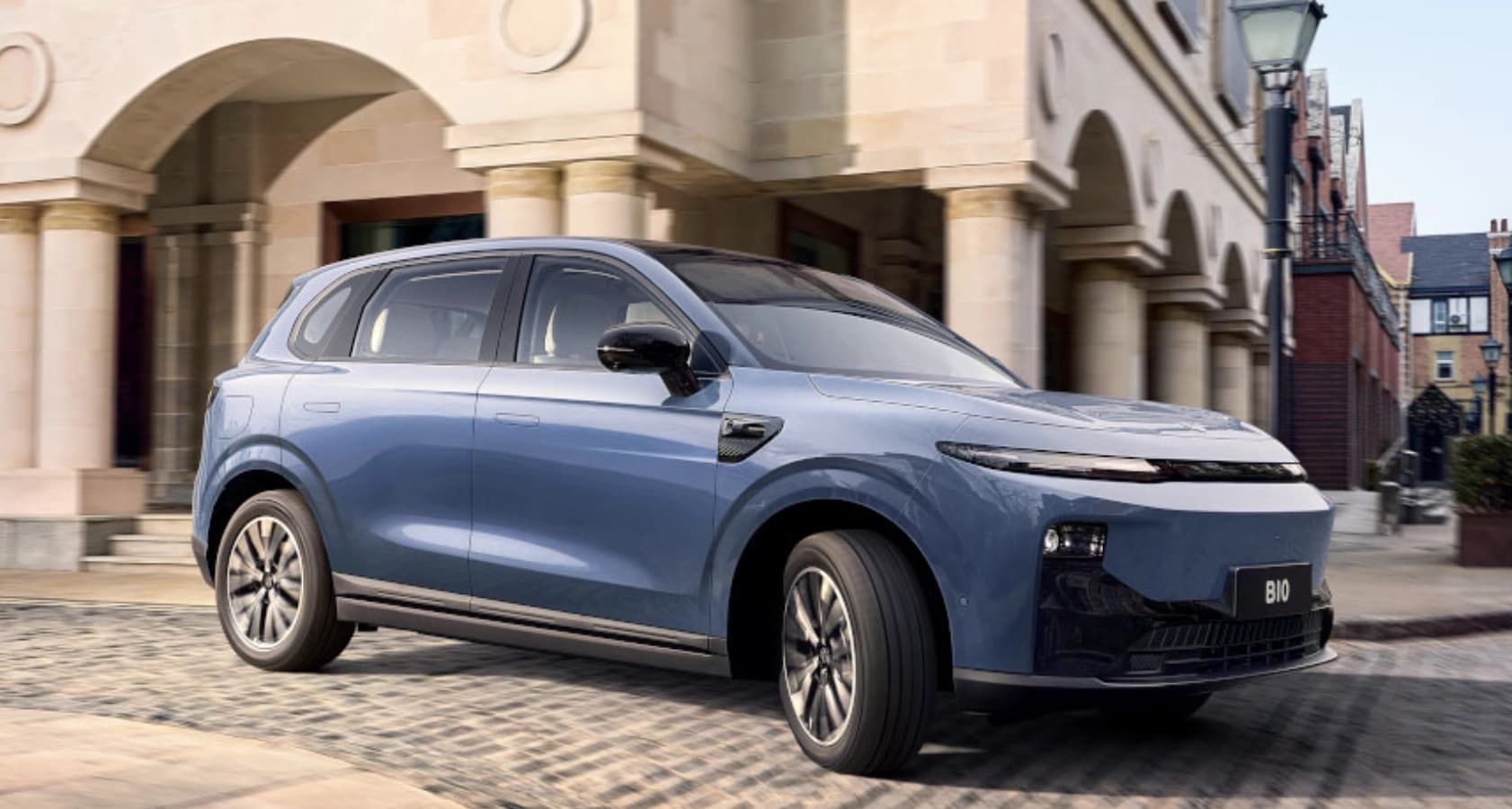
Image courtesy of Leapmotor
If you haven't heard of Leapmotor yet, that's about to change. The Chinese electric vehicle startup has struck a strategic partnership with Stellantis that could reshape the global EV landscape, with aggressive expansion plans targeting markets across Europe, South America, Asia Pacific, Middle East, Africa, and potentially North America. Their goal: scale from roughly 500,000 vehicles in 2025 to four million annual sales by 2036, with 60 percent coming from international markets.
Here's how this unfolds: Stellantis invested €1.5 billion in October 2023 to acquire approximately 20 percent of Leapmotor. More importantly, they formed Leapmotor International, a 51/49 Stellantis-led joint venture with exclusive rights to export, sell, and manufacture Leapmotor products outside China. It's basically licensing an entire automotive platform, except instead of software, it's complete electric vehicles.
The partnership makes strategic sense for both parties. Stellantis gets access to cost-competitive EV technology to help meet its Dare Forward 2030 electrification targets calling for 100 percent battery electric vehicle sales in Europe and 50 percent in the US by 2030. Leapmotor gets Stellantis' global distribution network, manufacturing facilities, and decades of international market expertise.
Leapmotor launched in nine European countries in September 2024l. Initial models include the T03 city car and C10 SUV, with at least one new model planned annually. By September 2025, Leapmotor International operated over 700 sales and service outlets across roughly 30 overseas markets.
Manufacturing is ramping strategically to avoid tariff issues. Stellantis initially produced the T03 in Poland, though that ended in March 2025 amid questions about EU tariffs on Chinese-made EVs. The company announced plans to manufacture Leapmotor vehicles in Zaragoza, Spain at existing Stellantis facility, with production starting Q3 2026. A Malaysia plant will produce right-hand-drive C10 models for UK and Australia markets.
The vehicles are positioned as affordable technology-focused EVs. The T03 is priced around €20,000 in European markets, offering 265 kilometers range in a compact city car with surprisingly spacious interior. The C10 SUV sits around €29,900, providing 420 kilometers WLTP range. These prices undercut many Western competitors significantly, which is both Leapmotor's competitive advantage and source of trade tension.
Leapmotor's domestic Chinese performance has been impressive. The company delivered over 170,000 vehicles in Q3 2025, more than doubling volume year-over-year. They hit their 500,000-unit annual sales target 45 days early in November, with deliveries through October totaling 465,805 units, up 121 percent year-over-year. The company achieved its first profitable half-year in 2025, becoming only the second Chinese EV startup after Li Auto to approach full profitability.
The technical approach emphasizes vertical integration. Leapmotor develops key components in-house, including electric motors, battery management systems, and autonomous driving software. Co-founder and CEO Zhu Jiangming comes from electronics and software background, having previously co-founded security camera manufacturer Dahua Technology. That tech-first mindset pervades Leapmotor's approach.
Product strategy focuses on mainstream price segments. For 2026, Leapmotor plans aggressive product cycle including A-series budget models priced around $14,000, multiple B-series models between $14,000-$21,000, and D-series vehicles targeting premium segment. Seven new battery electric vehicles are planned for 2025 alone, including plug-in hybrid variants.
The political dimension of Leapmotor's global expansion can't be ignored. Chinese EV manufacturers entering Western markets face growing protectionist sentiment and concerns about subsidized competition. The European Union recently imposed provisional tariffs on EVs from major Chinese companies. Leapmotor's strategy of manufacturing within Europe through Stellantis helps mitigate some tariff risk, but political headwinds remain significant.
For the United States specifically, no concrete market entry timeline has been announced, though Leapmotor International's mandate covers global markets outside Greater China, and Stellantis has extensive US operations. The question isn't whether Leapmotor will attempt US entry eventually, but when and under what conditions. Current political climate around Chinese EVs makes timing uncertain, but the partnership structure provides potential pathways independent Chinese manufacturers lack.
The ambitious 2036 target of four million annual sales with 60 percent overseas sounds absurd for a company that just crossed 500,000 units. But the trajectory isn't unprecedented. BYD went from niche player to global giant in less than a decade. If Leapmotor can leverage Stellantis' infrastructure while maintaining cost advantages, rapid growth isn't impossible, just extremely challenging.