CarMax Will Now Deliver a Test Drive to Your Driveway Like It’s a Pepperoni Pizza
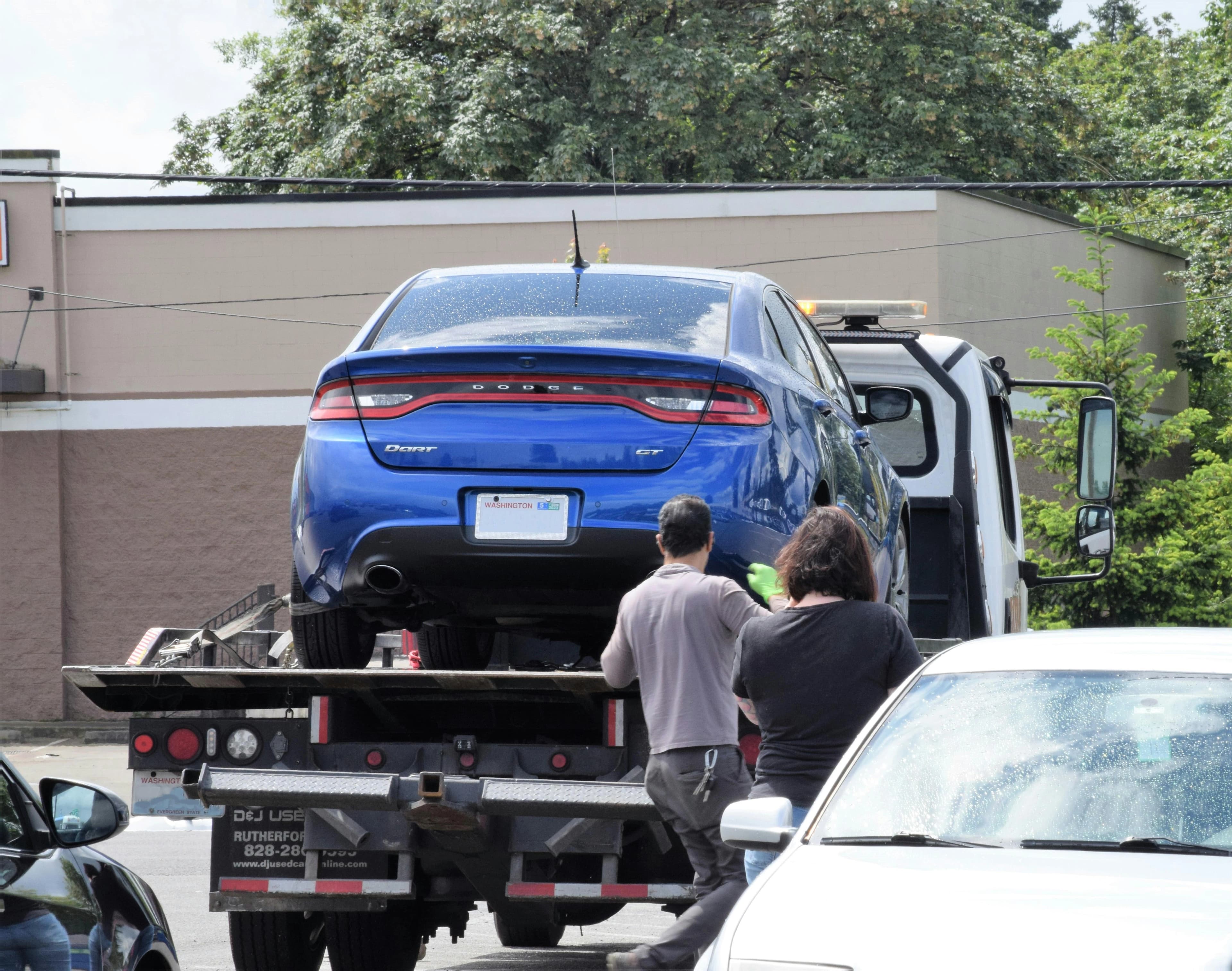
In a move that feels inevitable yet still sort of miraculous for anyone who has spent a Saturday afternoon trapped in a beige cubicle smelling like stale popcorn and floor wax, CarMax has officially begun the nationwide rollout of its "We Bring the Test Drive to You" service. After a quiet but apparently successful pilot in a few small markets (markets where people presumably have enough driveway space to host a temporary fleet), the used-car behemoth is dramatically escalating the convenience war. Shoppers in major metros can now schedule a specific vehicle to appear at their home or workplace within hours, effectively turning the test drive into a DoorDash order.
This isn’t just a "home delivery" for a car you’ve already bought—which CarMax and competitors like Carvana and Vroom have done for years. That model requires you to commit, sign papers, and hand over funds before the car drops off the flatbed, relying on a "return policy" as a safety net. This new program is different. This is the "dating" phase of car buying, brought to your curb. You spot a 2022 Mazda CX-5 online, click a button, and a specialist drops it off for you to drive around your own neighborhood, test in your own driveway, and see if it actually fits your life (and your garage) before you sign a single binding document.
It is a massive escalation in customer expectations. For decades, the dealer model has relied on a simple power dynamic: holding the inventory hostage. "If you want to see the metal," the dealer says, "you come to our turf." That dynamic shifted with the internet, but the physical test drive remained the last bastion of the traditional dealership visit. It was the one thing you couldn't download. By effectively decoupling the test drive from the lot, CarMax is removing the biggest friction point left in the process—and the one that gives traditional dealers their last bit of leverage.
The implications for traditional franchise dealers are, to put it mildly, sweaty. While some luxury brands (think Lexus and Genesis) and forward-thinking dealer groups have offered concierge test drives, it has largely been a bespoke service for high-end clients or a desperate measure enacted during the height of pandemic lockdowns. CarMax making this a standard, scalable feature for a $25,000 Honda Civic changes the game entirely. It forces the local franchise guy to explain why he requires you to drive across town and wait in his showroom while he "finds the keys," whereas CarMax lets you inspect the car in your pajamas while sipping your own coffee.
There is a psychological element here that cannot be overstated. When you test drive a car at a dealership, you are on their route. You are driving on smooth roads they selected, usually with a salesperson chattering in the passenger seat about the "best-in-class intermittent wipers." When you test drive a car at home, the context shifts. You drive it on the pothole-ridden street you take to work every day. You try to park it in your tight condo spot. You see if your kid’s oversized hockey bag actually fits in the trunk without folding the seats down. It is a truer test of the vehicle, and frankly, it’s a much more dangerous test for the car itself, because it removes the "showroom shine" factor.
Of course, this costs money. Logistics are expensive. Sending two employees (one to drive the car, one to drive the chase car) to a house for a 30-minute test drive that might result in a "no thanks" is a heavy operational burden. But CarMax seems to be betting that the conversion rate on these at-home drives will be high enough to offset the fuel and staffing costs. The theory is sound: If the car is already in your driveway, you’re mentally halfway to owning it. The "endowment effect" kicks in. It already looks like it belongs to you.
The move also slots neatly into the broader "Amazon-ification" of the car market. We are moving toward a world where the only time you visit a physical infrastructure is for service, and even that is becoming mobile. For the consumer, it’s a massive win for convenience. For the industry, it’s a warning shot across the bow: If you aren’t meeting the customer where they live—literally—you might not be meeting them at all. The days of "come on down" are being replaced by "be right there," and dealers who can't pivot might find their showrooms getting very, very quiet.