BYD Just Lost a Third of Its Profit Because China's EV Price War Ate Itself
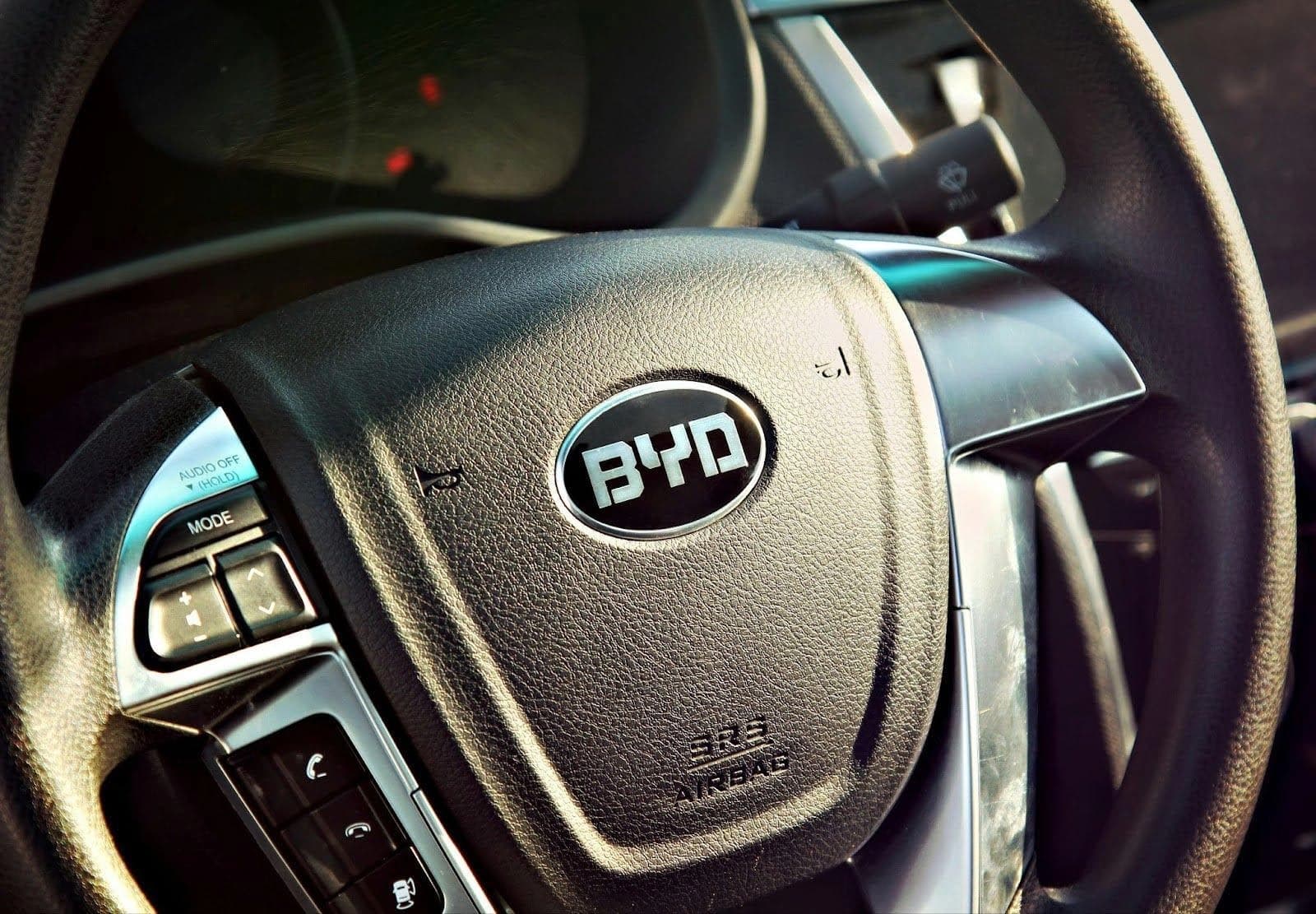
BYD Company Limited, the Chinese EV giant that dethroned Tesla as the world's top electric vehicle seller, just reported quarterly earnings that can only be described as catastrophic. Net income dropped 32.6% to $1.1 billion, revenue fell for the first time in over five years, and gross margins collapsed by more than six percentage points. For a company that sold 1.1 million EVs in Q3—making it the world's largest pure EV seller for the fourth consecutive quarter—this is the automotive equivalent of winning the Super Bowl while simultaneously declaring bankruptcy.
The culprit? BYD started a price war it couldn't win. Back in May, the company slashed prices on over twenty models by up to 34%. The China Association of Automobile Manufacturers essentially called them out by name for triggering "a new round of price war panic." Even the People's Daily published an article declaring that "price wars have no winners, much less a future." When state media is subtweeting your business strategy, you've probably made a mistake.
Here's the brutal reality: China has over 130 EV brands fighting for market share in a country where electric and plug-in hybrid vehicles now account for 52.8% of all passenger car sales. The average car price has dropped 19% in just two years to around $22,900, while profit margins have been cut in half from 8% in 2017 to 4.3% in 2024. BYD's own market share fell from 18% to 14% year-over-year, and in the ultimate humiliation, they lost their crown as China's best-selling automaker to state-owned SAIC Motor in September.
The earnings miss was spectacular. Analysts expected revenue of $30 billion; BYD delivered $27 billion. Expected earnings per share of $0.198; got $0.12 instead. And for the first time since at least Q1 2021, BYD's unit sales actually declined year-over-year. When you're the world's largest EV seller and you're selling fewer cars than you did a year ago, something has gone very wrong.
BYD's escape plan is to go global, and they're doing it with the subtlety of a sledgehammer. The company doubled its overseas sales in the first half of 2025 to over 464,000 units and is targeting up to a million international deliveries for the year. They're building factories everywhere: Thailand is operational at 150,000 units per year and already shipping to Europe. Brazil opens early next year with another 150,000-unit capacity. Hungary, Turkey, Indonesia, Cambodia, and Uzbekistan all have facilities in various stages of completion. Total international capacity when everything is running: over 820,000 units annually.
In October, BYD registered four times more vehicles than Tesla in Germany and seven times more in the UK. European registrations were up 225% year-over-year in July. But there are warning signs: buses catching fire in London leading to recalls, defective vehicles showing up in Japan and Thailand, and inventory piling up in European warehouses because demand isn't meeting expectations.
The comparison to Tesla is instructive. Both companies missed Q3 expectations, but from completely different positions. Tesla delivered 497,000 vehicles and earned $1.37 billion in profit. BYD delivered 1.1 million vehicles—more than twice as many—and earned just $1.1 billion. BYD sold 2.2 times more EVs but made 20% less money. That's not a sustainable business model; that's a charity with a manufacturing problem.
BYD's stock dropped 6.4% after the earnings announcement and is down 16% year-to-date. Warren Buffett's Berkshire Hathaway, which held BYD stock for seventeen years, completed its full exit in September. When the Oracle of Omaha looks at your business model and decides it's time to cash out, that's not a vote of confidence. Industry analysts predict 2025 to 2027 will be the "knockout phase" when many of China's 130+ EV brands will fail. BYD has the resources to survive, but survival isn't the same as success. Right now, they're learning that winning a price war often means losing everything else.